A small swelling near the tailbone may not seem serious at first, but if it becomes painful, drains pus, or keeps returning after treatment, it could be a pilonidal sinus. This condition commonly affects young adults and working professionals who spend long hours sitting. Although some mild cases improve with conservative care, others require surgery to prevent repeated infections and chronic discomfort.
Understanding when lifestyle changes are enough and when surgical treatment becomes the better option can help patients make informed healthcare decisions.
What Is a Pilonidal Sinus?
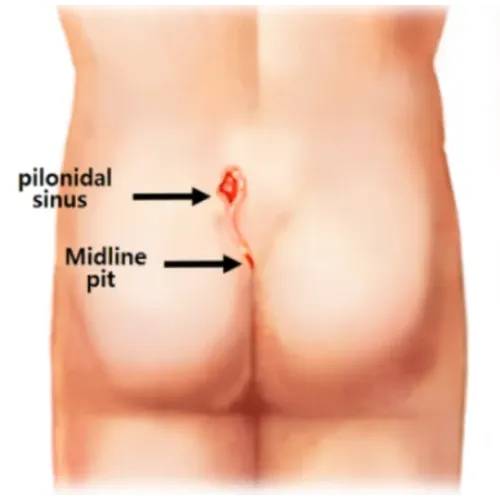
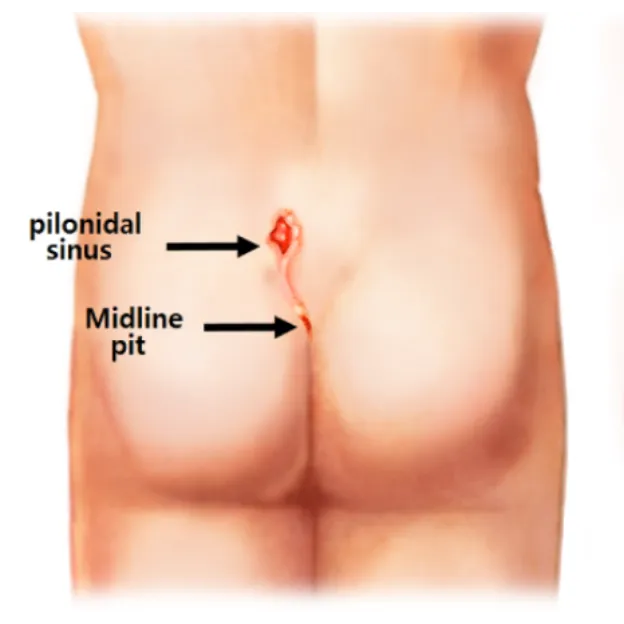
A pilonidal sinus is a small tunnel or cavity that develops beneath the skin near the crease between the buttocks, just above the tailbone. Hair, dead skin, and debris can collect inside this cavity, creating an environment where bacteria multiply and infection develops.
The condition often begins as a painless lump. Once infected, it can become swollen, tender, and filled with pus, making everyday activities uncomfortable.
People who experience repeated infections should not ignore the problem, as the sinus rarely disappears permanently without appropriate treatment.
Who Is More Likely to Develop It?
Several factors increase the likelihood of developing a pilonidal sinus.
Common risk factors include:
- Sitting for extended periods
- Thick or coarse body hair
- Excessive sweating
- Poor local hygiene
- Obesity
- Repeated friction near the tailbone
- Family history of the condition
Office workers, drivers, students, and individuals with sedentary lifestyles often experience a higher risk because of prolonged pressure on the affected area.
Recognizing the Symptoms
Symptoms vary depending on whether the sinus is infected.
Early signs may include:
- A small pit or opening near the tailbone
- Mild discomfort while sitting
- Occasional tenderness
When infection develops, symptoms often become more noticeable.
These include:
- Pain that worsens while sitting
- Swelling near the tailbone
- Redness around the affected area
- Pus or blood-stained discharge
- Unpleasant odor from drainage
- Fever in severe infections
Repeated episodes of infection usually indicate that the condition has become chronic.
When Conservative Care May Be Enough
Not every patient requires immediate surgery. Small, uncomplicated cases without repeated infections may initially be managed conservatively.
Doctors may recommend:
- Maintaining good hygiene
- Keeping the area free of excess hair
- Wearing loose-fitting clothing
- Avoiding prolonged sitting whenever possible
- Using antibiotics only when infection is present
- Monitoring symptoms through regular follow-up
These measures may help control symptoms, but they do not always eliminate the underlying sinus.
When Surgery Becomes the Better Choice
Surgery is generally considered when the condition repeatedly returns or significantly affects daily life.
Your surgeon may advise an operation if you experience:
- Recurring abscess formation
- Persistent pus discharge
- Chronic pain
- Multiple sinus openings
- Failure of conservative treatment
- Difficulty sitting comfortably
- Frequent interruption of work or routine activities
Surgical treatment removes the diseased tissue, reducing the likelihood of repeated infections.
Benefits of Timely Surgical Management
Modern surgical techniques focus on effective treatment while supporting smoother recovery.
Potential advantages include:
- Removal of infected tissue
- Reduced recurrence in appropriately selected cases
- Better wound healing with proper postoperative care
- Relief from repeated abscess formation
- Improved comfort during daily activities
- Lower risk of chronic infection
The exact surgical technique depends on the size, location, and complexity of the sinus.
Recovery After Pilonidal Sinus Surgery
Recovery varies according to the procedure performed and the patient's overall health. Careful wound management is essential for successful healing.
Doctors commonly advise patients to:
- Keep the surgical area clean and dry
- Change dressings as instructed
- Avoid prolonged sitting during early recovery
- Follow prescribed medications
- Return for scheduled wound evaluations
- Remove excess hair if recommended by the surgeon
- Resume activities gradually
Following these recommendations helps promote healing while reducing the chance of recurrence.
Can a Pilonidal Sinus Return?
Although surgery significantly lowers the risk of recurrence, no procedure can completely eliminate the possibility. Long-term preventive care remains important.
Helpful preventive measures include:
- Maintaining healthy body weight
- Keeping the area clean
- Preventing excessive sweating
- Avoiding prolonged uninterrupted sitting
- Removing hair when medically advised
- Seeking treatment promptly if new swelling develops
Early attention to recurring symptoms often prevents larger infections from developing.
Choosing the Right Surgical Evaluation
Because every pilonidal sinus differs in size and complexity, treatment should always be based on careful clinical assessment rather than temporary symptom relief. An experienced surgeon can determine whether conservative care remains appropriate or whether surgery offers a more reliable long-term solution.
Patients from Thane, Mumbai, and nearby areas frequently seek advanced surgical care that supports faster recovery with individualized treatment planning. Dr. Suradkar Laparoscopy Centre evaluates pilonidal sinus cases using modern surgical principles and recommends treatment according to the patient's condition rather than a one-size-fits-all approach. Patients can also explore the centre's official website to learn more about available procedures before scheduling a consultation with an experienced laparoscopic and general surgeon.
Keywords