Finding gallstones on an ultrasound does not automatically mean you need an operation. By separating silent stones from biliary pain and urgent complications, you can understand when observation is reasonable, when elective laparoscopic cholecystectomy is usually offered, and when emergency treatment takes priority.
Key takeaways
- Observe silent gallstones unless high-risk findings make preventive surgery appropriate.
- Seek urgent care for severe pain, fever, jaundice, vomiting, or confusion.
- Use ultrasound and liver tests; MRCP or ERCP helps assess bile-duct stones.
- Compare surgery, observation, medication, and open surgery with your surgeon’s findings.
When do gallstones require removal instead of observation?
Gallstones alone do not make surgery necessary. Asymptomatic gallstones found incidentally in a normal gallbladder are usually managed with observation, not preventive removal. Discuss surgery for selected high-risk findings, such as a large gallbladder polyp or porcelain gallbladder.
Symptomatic gallstones change the decision. Biliary colic usually causes steady pain in the right upper abdomen or upper middle abdomen after a meal, sometimes spreading to the right shoulder or back, with nausea or vomiting.
Repeated attacks can disrupt daily life and carry a risk of complications, so doctors generally offer elective laparoscopic cholecystectomy rather than repeated observation.
Use this checklist when deciding whether to arrange a surgical consultation:
- Choose observation when you have no gallstone-related symptoms and no selected high-risk gallbladder finding. Seek care if symptoms later appear.
- Discuss elective laparoscopic cholecystectomy when typical biliary colic has occurred, especially when attacks recur or interfere with eating, sleep, work, or travel.
- Do not treat prolonged pain, fever, chills, jaundice, dark urine, pale stools, repeated vomiting, marked tenderness, or confusion as routine biliary colic. These symptoms need prompt medical assessment.
- Pregnancy does not automatically rule out surgery. If gallbladder disease is symptomatic, the decision should account for gestational age, disease severity, and available obstetric and surgical expertise.
Removing the gallbladder prevents new stones from forming there; removing stones alone does not.
Which symptoms mean gallstones have become urgent?
A steady right-upper-quadrant pain or epigastric pain lasting 30 minutes to several hours fits biliary colic, especially after a pain after fatty meal. It may spread as right shoulder pain and back pain, with nausea, but it should settle without persistent tenderness or fever. Brief indigestion alone is less specific.
Seek prompt medical assessment for:
- Pain lasting several hours, worsening abdominal tenderness, or repeated vomiting
- Fever and chills, which raise concern for acute cholecystitis or infection
- Jaundice, dark urine, or pale stools, which suggest a blocked bile duct
- Confusion, faintness, or marked weakness, which can signal severe infection
| Pattern | Main concern | What to do |
|---|---|---|
| Persistent right-upper-quadrant pain, tenderness, fever | Acute cholecystitis | Same-day assessment; ultrasound and blood tests are usually needed |
| Jaundice with fever and chills, confusion, or severe illness | Cholangitis from an infected blocked duct | Emergency care; drainage may be urgent |
| Severe upper-abdominal pain reaching the back with vomiting | Gallstone pancreatitis | Emergency assessment; treatment may require hospital care |
| Cramping, vomiting, abdominal swelling, or inability to pass stool or gas | Gallstone-related bowel obstruction | Emergency assessment |
Do not wait for jaundice before seeking care. A stone stuck in the common bile duct can cause infection or pancreatitis even when the gallbladder pain began as an ordinary attack.
How do doctors confirm the cause and find a bile-duct stone?
A diagnosis starts with the pain pattern, not the ultrasound alone. Steady, severe pain in the right upper quadrant or epigastrium, lasting at least 30 minutes and sometimes radiating to the back or right shoulder, supports biliary pain. Brief bloating or vague indigestion after meals is less specific and may persist after surgery.
Doctors combine four findings:
- Examination: right-upper-quadrant tenderness supports gallbladder inflammation, especially with fever or other systemic signs.
- Blood tests: liver-function tests, bilirubin and pancreatic enzymes look for bile-duct blockage, infection and gallstone pancreatitis. An abnormal result alone does not prove a common bile duct stone.
- First imaging: a right-upper-quadrant ultrasound looks for gallstones, gallbladder-wall thickening, distension, surrounding fluid and a widened bile duct.
- Cross-sectional imaging: a CT scan helps assess complications, alternative causes of pain and pancreatitis when ultrasound is incomplete or the illness is severe.
When ultrasound shows a widened duct or blood tests remain abnormal but no stone is visible, MRCP or endoscopic ultrasound can detect a hidden common bile duct stone without entering the duct. A confirmed stone changes the sequence: ERCP is used to clear the duct, while laparoscopic cholecystectomy treats the gallbladder and prevents further stones.
ERCP does not remove the gallbladder. Acute cholecystitis requires matching pain and inflammation with supportive imaging, not gallstones alone.
How should you compare surgery with waiting, medication, or open surgery?
The key trade-off is recurrence. Watchful waiting can be reasonable for incidentally found, symptom-free stones, but repeated biliary pain, complications, or disrupted daily life favour elective laparoscopic cholecystectomy.
| Option | Recurrence and suitability | Timing |
|---|---|---|
| Watchful waiting | Avoids an operation, but symptoms or complications can return; unsuitable after recurrent attacks or complications. | Review symptoms and seek urgent care for fever, jaundice, or persistent pain. |
| Elective laparoscopic cholecystectomy | Definitively removes the gallbladder and prevents new gallbladder stones; preferred for symptomatic uncomplicated stones. | Schedule when you are medically fit, rather than repeatedly treating attacks. |
| Medication with ursodeoxycholic acid | Works only for selected small cholesterol stones with a functioning gallbladder; treatment takes months and stone recurrence is common after stopping. | Consider when surgery is unsuitable, not as the usual replacement for surgery. |
| Open cholecystectomy | Removes the gallbladder but causes more pain, a longer hospital stay, and slower recovery than laparoscopy. | Use when severe inflammation, adhesions, bleeding, or unclear anatomy make laparoscopy unsafe; conversion protects safety. |
Acute cholecystitis usually calls for early surgery; the acute cholecystitis surgery within one week recommendation replaces routine delay until inflammation disappears. After supportive treatment for mild gallstone pancreatitis, same-admission cholecystectomy reduces another attack; urgent ERCP is reserved for persistent obstruction or cholangitis.
Pregnancy does not automatically exclude laparoscopy: severity, gestational age, and specialist expertise determine timing.
What safety decisions matter before and during laparoscopic cholecystectomy?
Removing only the stones leaves the gallbladder behind, so new stones and another painful attack can develop. Gallbladder removal treats the source rather than repeatedly extracting its contents.
Before dividing anything, the surgeon should obtain the critical view of safety: the gallbladder is separated from the liver, the lower gallbladder is cleared, and only the cystic duct and cystic artery enter the gallbladder. This step reduces the chance of mistaking the common bile duct for the cystic duct, a potentially serious bile-duct injury.
If inflammation, bleeding, adhesions, or unclear anatomy prevents safe identification, stopping the planned dissection is safer than forcing it.
| Decision | What it means | When it protects you |
|---|---|---|
| Intraoperative biliary imaging | Cholangiography or ultrasound maps the ducts during surgery | When anatomy is unclear or a duct stone is suspected |
| Subtotal cholecystectomy | The surgeon leaves part of the gallbladder wall rather than risk duct damage | When severe inflammation makes complete removal unsafe |
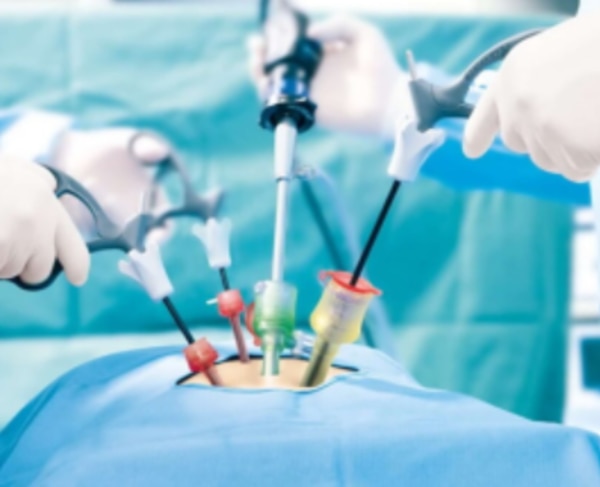
| Conversion to open surgery | The operation continues through a larger incision | When bleeding, adhesions, or difficult anatomy defeats safe keyhole access |
During a surgical consultation, ask:
- How will you confirm the critical view of safety?
- If the ducts remain unclear, would you use intraoperative biliary imaging or subtotal cholecystectomy?
- What findings would lead to conversion to open surgery?
- Do my scans or blood tests suggest a common-bile-duct stone requiring ERCP first?
Dr. Suradkar Laparoscopy Centre 08048032179 can use this discussion to clarify the planned safety strategy, not merely the choice of surgical technique.
Related service
Laparoscopic Cholecystectomy At Highway Hospital, Dr. Shekhar Suradkar performs Laparoscopic Cholecystectomy using advanced minimally invasive techniques for safe removal of the... View service → |
Frequently asked questions
When do gallstones require removal instead of observation?
Gallstones usually need removal when they cause repeated biliary pain, cholecystitis, pancreatitis, bile-duct obstruction, or another complication. Silent stones found in a normal gallbladder are usually observed. Discuss preventive surgery for selected high-risk findings, including a large gallbladder polyp or porcelain gallbladder.
Which symptoms mean gallstones have become urgent?
Seek urgent medical care for severe or persistent upper-right abdominal pain, fever or chills, repeated vomiting, yellow skin or eyes, dark urine, pale stools, confusion, or worsening weakness. These symptoms can indicate cholecystitis, bile-duct infection, obstruction, or pancreatitis.
How do doctors confirm the cause and find a bile-duct stone?
Doctors combine your symptom pattern and examination with blood tests, including bilirubin, liver enzymes, and pancreatic enzymes, plus an abdominal ultrasound. Magnetic resonance cholangiopancreatography, or MRCP, and endoscopic ultrasound can look for a common bile-duct stone. ERCP is usually used when a stone needs removal or drainage.
How does laparoscopic surgery compare with waiting, medication, or open surgery?
Laparoscopic cholecystectomy removes the gallbladder through small incisions and usually offers faster recovery than open surgery. Waiting avoids an operation but leaves the risk of recurrent attacks or complications after symptomatic stones. Medicines work only for selected cholesterol stones and can take months or years, with recurrence possible. Open surgery may be needed when inflammation, scarring, bleeding, or anatomy makes keyhole surgery unsafe.
What safety decisions matter before and during laparoscopic cholecystectomy?
Review previous abdominal operations, medicines such as anticoagulants, pregnancy possibility, allergies, heart or lung disease, and blood-test results. During surgery, the team must identify the cystic duct and artery clearly, control bleeding, and convert to open surgery when safe anatomy cannot be established. Ask how suspected bile-duct stones will be managed.