An anal fistula can cause recurring discharge, irritation, swelling, or episodes of discomfort that repeatedly improve before returning. Because symptoms can fluctuate, some patients postpone specialist assessment until the problem begins interfering with work or daily activities.
When seeking fistula treatment in Thane, choosing appropriate surgical care begins with confirming the diagnosis and understanding the fistula's anatomy.
Why Does Proper Evaluation Matter?
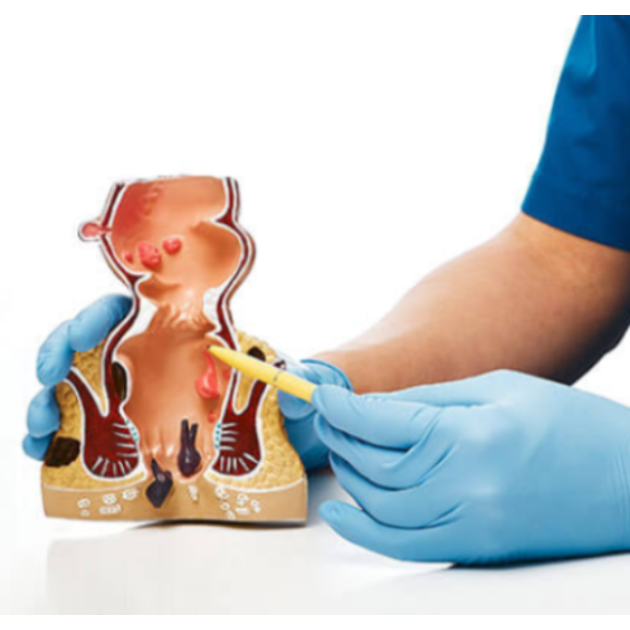
A fistula is an abnormal tract that develops between structures in the anal region, commonly involving an internal opening and an external pathway.
The location and course of this tract matter because treatment planning needs to consider nearby muscles involved in continence.
This is why a treatment recommendation should not be based solely on the presence of an external opening or discharge.
Look for Diagnosis Before Procedure Selection
Patients often encounter multiple procedure names while searching online. Choosing a technique before undergoing an examination can create unrealistic expectations.
The surgeon first needs to determine the characteristics of the fistula.
Assessment may involve clinical examination and additional investigations when required. The objective is to understand the tract sufficiently to select an appropriate treatment strategy.
Ask How the Treatment Plan Is Individualised
There is no reason to expect every fistula to require exactly the same procedure.
During consultation, ask the surgeon
- What type of fistula is suspected?
- Is further imaging required?
- What is the proposed treatment?
- Why is that technique suitable?
- What are the relevant risks?
- How will continence be considered?
- What recovery care is required?
- What follow-up is expected?
These questions provide more meaningful information than simply asking which procedure is newest.
Understand the Importance of Recurring Symptoms
A common pattern is temporary improvement followed by renewed swelling or discharge.
Patients may interpret symptom-free periods as evidence that the problem has resolved. However, recurring symptoms deserve assessment because an underlying tract may still be present.
Repeated self-medication without establishing the cause can delay definitive evaluation.
Evaluate Postoperative Support
Choosing surgical care should include asking what happens after the procedure.
Recovery instructions may address wound care, hygiene, bowel movements, diet, pain management, activity, and follow-up appointments.
Patients should know whom to contact if they develop concerning symptoms. Clear postoperative guidance can make recovery less confusing.
Consider Practical Local Factors
For patients in Thane, follow-up accessibility can be relevant because fistula care may require postoperative review.
Before scheduling treatment, consider transportation, time away from work, support at home, and the ability to attend recommended follow-up appointments.
Patients with physically demanding occupations should specifically ask when lifting, prolonged sitting, travel, or strenuous activity can safely resume.
Avoid Treatment Guarantees
No responsible surgical discussion should reduce fistula care to guaranteed outcomes.
Treatment success can be influenced by the fistula's anatomy, complexity, previous procedures, healing, associated medical factors, and adherence to postoperative instructions.
A trustworthy consultation should discuss both the intended benefits and clinically relevant limitations.
Bring Useful Information to Your Appointment
Patients can prepare by bringing previous reports, procedure records, imaging, medication lists, and details of earlier episodes.
Explain when symptoms first appeared, whether swelling repeatedly develops in the same area, whether discharge occurs, and whether previous procedures have been performed.
This history can help the surgeon build a clearer clinical picture.
Choosing Fistula Treatment in Thane
Dr. Suradkar Laparoscopy Centre provides evaluation for patients seeking fistula treatment in Thane. The aim of assessment is to understand the condition before determining an appropriate surgical strategy.
Patients across Thane and nearby Maharashtra areas should choose care based on diagnostic clarity, individualized treatment planning, explanation of risks, and structured follow-up.
The most useful question is not simply, Which procedure is available? It is whether the recommended procedure appropriately addresses the specific fistula while considering function, healing, and long-term clinical needs.
Keywords