Uterus removal is recommended when a specific uterine problem causes substantial symptoms, has been confirmed through examination or imaging, and has not improved with suitable alternatives. By the end, you will know which findings support surgery, when another treatment or surgical route is safer, and which questions to ask about the cervix, ovaries, tubes and cancer risk.
Key takeaways
- Persistent bleeding with iron deficiency supports considering hysterectomy after failed treatment.
- Try medicines or less invasive procedures first when symptoms are manageable and disease is treatable.
- Confirm whether the cervix, ovaries, fallopian tubes and uterus will be removed.
- Ask why laparoscopy suits your anatomy, diagnosis and previous surgical history.
Which symptoms and test results support a hysterectomy?
A hysterectomy has a sound basis when a uterine condition causes persistent symptoms, objective disease, and substantial disruption despite appropriate treatment. Abnormal uterine bleeding that produces iron deficiency or a falling haemoglobin level is stronger evidence when medicines or hormonal treatment have failed.
| Condition | Findings that support surgery | What to assess |
|---|---|---|
| Symptomatic fibroids | Ultrasound or MRI shows fibroids matching heavy bleeding, pressure or pain | Uterine size, location, mobility and whether myomectomy or embolisation fits |
| Adenomyosis | MRI or ultrasound supports adenomyosis with heavy bleeding, cramping or an enlarged tender uterus | Response to hormonal treatment and the haemoglobin level |
| Endometriosis-related pelvic pain | Imaging or examination links pain to uterine disease, especially when periods, sex, exercise or sleep are affected | Whether endometriosis outside the uterus also needs treatment |
| Uterine prolapse | Examination shows the uterus descending into or beyond the vagina, with pressure, bleeding or urinary symptoms | Whether pessary use or prolapse repair could meet your goals |
| Chronic pelvic pain | A uterine cause is demonstrated and pain disrupts work, sleep, sex or daily activities | Other causes, including bowel, bladder, pelvic-floor and nerve conditions |
Large fibroids do not automatically rule out laparoscopy, but a very large or poorly mobile uterus can make vessel control and removal difficult. Ultrasound or MRI findings guide planning; they do not replace examination and discussion of alternatives.
Selected early uterine or cervical cancers require gynecologic-oncology planning for staging and safe tissue removal. Suspected cancer is not a routine minimally invasive case, and uncontained morcellation must be avoided.
When should you try another treatment or delay surgery?
Hysterectomy is usually worth delaying when symptoms remain manageable, fertility is still desired, or the pain source has not been identified. A non-uterine cause such as adhesions, pelvic-floor dysfunction or bowel disease can persist after the uterus is removed.
| Option | When it may be enough | Limitation |
|---|---|---|
| Observation and iron treatment | Mild symptoms, stable haemoglobin and no major effect on daily life | Does not remove fibroids or stop ongoing bleeding |
| Tranexamic acid or hormonal medicines | Heavy bleeding without a need for permanent treatment | Symptoms can return when treatment stops |
| Levonorgestrel intrauterine system | Heavy bleeding when the uterine cavity is suitable | It may not control large fibroids, severe adenomyosis or pressure symptoms |
| Myomectomy comparison | Fibroids are the main problem and pregnancy remains a goal | Fibroids can recur, and bleeding or pain may continue |
| Uterine artery embolisation | Fibroid symptoms need treatment without removing the uterus | Pregnancy planning and future procedures require careful discussion |
| Endometrial ablation | Heavy bleeding without a desire for pregnancy and without major cavity distortion | It does not treat deep adenomyosis, pressure or large fibroids |
| Prolapse repair or targeted endometriosis treatment | The main problem is prolapse or visible endometriosis rather than the uterus itself | Hysterectomy is not automatically required |
A failed medical treatment does not make hysterectomy mandatory; discuss the expected benefit against recovery and permanent loss of pregnancy. Hysterectomy permanently ends menstruation and the ability to become pregnant. Suspected cancer needs gynecologic-oncology planning, because staging and tissue removal may require a different operation.
What type of hysterectomy and organ removal is being proposed?
The proposed operation has two separate labels: what is removed and how the surgeon reaches it. A total hysterectomy removes the uterus and cervix; a subtotal hysterectomy, also called a supracervical hysterectomy, removes the uterine body but retains the cervix.
| Type | What is removed | Typical use |
|---|---|---|
| Total hysterectomy | Uterus and cervix | Benign uterine disease or selected cancers |
| Subtotal or supracervical hysterectomy | Uterine body; cervix remains | Selected benign conditions when retaining the cervix is appropriate |
| Radical hysterectomy | Uterus, cervix, surrounding tissues and usually the upper vagina | Selected cancers requiring wider tissue removal |
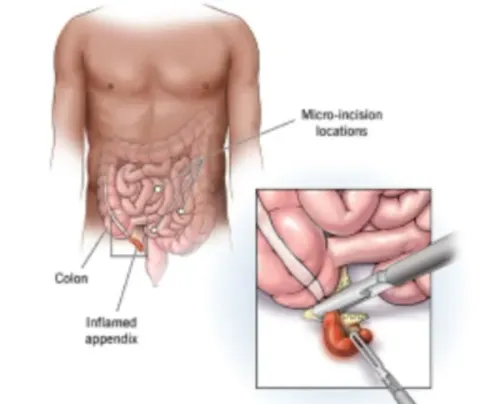
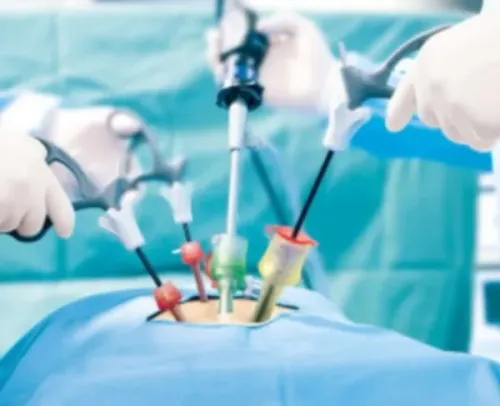
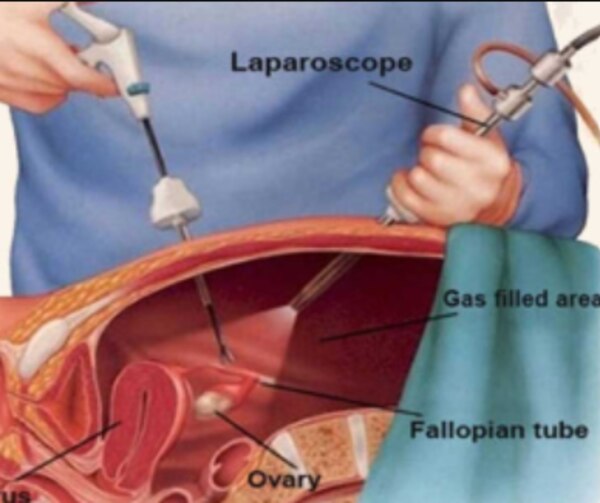
Radical hysterectomy is not simply a more extensive version chosen for larger fibroids; it requires cancer-specific planning. The word laparoscopic describes the access route—small abdominal incisions and a camera—not whether the ovaries or fallopian tubes are removed. Laparoscopic surgery can therefore be total or supracervical.
Ovary removal is a separate decision. In a premenopausal patient with functioning ovaries and average genetic risk, conserving them can prevent the abrupt loss of ovarian hormones and surgical menopause. Removing both ovaries causes immediate hormone loss; hysterectomy alone does not necessarily cause menopause when the ovaries remain.
The surgeon may propose bilateral salpingectomy—removal of both fallopian tubes—while conserving the ovaries, partly because this may reduce future ovarian-cancer risk. Keeping the ovaries does not guarantee that pelvic pain, endometriosis-related symptoms or menopausal symptoms will disappear.
Is laparoscopy the safest route for your anatomy and diagnosis?
Vaginal hysterectomy is often preferred when the uterus is mobile and prolapse makes vaginal access practical. It usually avoids abdominal incisions and supports faster recovery. Laparoscopy becomes more useful when the surgeon needs a wider view of the abdomen or pelvis.
| Route | Advantages | Factors that change the recommendation |
|---|---|---|
| Vaginal hysterectomy | No abdominal incisions; often shorter recovery | Less suitable with a large, fixed uterus, limited mobility, severe adhesions or procedures needing abdominal access |
| Laparoscopic hysterectomy | Inspects and treats endometriosis or adhesions; removes tubes or ovaries; supports additional pelvic procedures | Prior surgery, adhesions, uterine size, suspected cancer and the surgeon’s ability to work safely |
| Open abdominal hysterectomy | Direct access for extensive disease, very large masses or complex cancer surgery | Larger incision, more pain and longer recovery |
Ask your surgeon to assess these points before choosing the route:
- Uterine size and mobility, not size alone; a large uterus may need vaginal removal, additional ports or planned tissue reduction.
- Prior operations and adhesions that could obscure the bowel, bladder, blood vessels or ureters.
- Whether endometriosis, ovarian disease, prolapse or another pelvic problem needs treatment during the same operation.
- Whether cancer is suspected; uncontained morcellation must be avoided.
FDA guidance restricts power morcellation to carefully selected patients using an approved containment system and advises against it in postmenopausal patients or those over 50, and when cancer is known or suspected. A planned laparoscopy may convert to open abdominal hysterectomy for bleeding, dense adhesions, poor visibility or unsafe anatomy.
That is a safety decision, not automatically a failed operation.
What should you confirm before agreeing to the operation?
Before signing consent, use these hysterectomy consultation questions to check that the operation matches your diagnosis, anatomy and treatment goals.
1. What is the confirmed diagnosis, and what do the ultrasound or MRI findings show about uterine size, mobility, adhesions or other disease?
2. What is your haemoglobin level, and which alternatives have you tried, such as iron, tranexamic acid, hormonal treatment, a levonorgestrel intrauterine system or targeted treatment?
3. How will hysterectomy affect your fertility plans? Pregnancy and menstruation end permanently, so discuss this before proceeding.
4. Is the planned operation total, subtotal or radical hysterectomy? Will the ovaries be conserved, and will the fallopian tubes be removed?
5. Ask for surgical menopause counselling if both ovaries may be removed, including hormone effects and treatment options.
6. How will the specimen leave the body? Confirm the cancer assessment, whether morcellation is considered, and that uncontained morcellation will not be used when malignancy is suspected.
7. What is the chance of conversion to open surgery if bleeding, adhesions, poor visibility, organ injury risk or cancer concerns arise?
Laparoscopic hysterectomy recovery often allows desk activities after 2–4 weeks, but heavy lifting and vaginal intercourse are commonly restricted until healing, often around 6 weeks. Surgeon-specific instructions override general timelines.
Discuss bleeding or transfusion, infection, blood clots, bladder, ureter, bowel or blood-vessel injury, anaesthetic problems and vaginal-cuff complications. Postoperative warning signs include heavy bleeding, fever, worsening pain, foul-smelling discharge, inability to urinate, leg swelling, chest pain or shortness of breath.
Dr. Suradkar Laparoscopy Centre 08048032179 can help a patient in Thane review these choices before consent.
Related service
Laparoscopic Hysterectomy Treatment Laparoscopic Hysterectomy Treatment Laparoscopic Hysterectomy is a minimally invasive surgical procedure to remove the uterus through small keyhole incisions. At Highway Hospital, Dr. View service → |
Frequently asked questions
Which symptoms and test results support a hysterectomy?
Persistent abnormal bleeding, iron deficiency, falling haemoglobin, pain or pressure support consideration when testing identifies a uterine condition and appropriate treatments have failed.
When should you try another treatment or delay hysterectomy?
Discuss medicines, hormonal treatment, an intrauterine device or other procedures when symptoms are manageable, the diagnosis is uncertain, fertility matters, or reversible causes have not been treated.
What organs can be removed during a hysterectomy?
The operation can remove the uterus alone, the uterus and cervix, or the uterus with the fallopian tubes and ovaries. Confirm the exact plan before consent.
Is laparoscopy the safest route for every patient?
The safest route depends on uterine size, suspected disease, cancer risk, anatomy, prior operations, adhesions and the surgeon's assessment. Ask why laparoscopy is recommended over vaginal or abdominal surgery.
What should you confirm before agreeing to laparoscopic hysterectomy?
Confirm the diagnosis, planned organs removed, surgical route, risks, alternatives, fertility consequences, recovery time, possibility of conversion to open surgery and follow-up arrangements.