A hernia can be a harmless-looking bulge or a time-sensitive emergency, and the best operation depends on its location, size, symptoms, previous surgery and your general health. By the end, you will know which warning signs need urgent care, how surgeons choose between laparoscopic and open repair, and what to ask before agreeing to surgery.
Key takeaways
- Seek emergency care for a painful, firm lump that will not go back in.
- Your hernia type, size, symptoms and health help determine whether surgery is suitable.
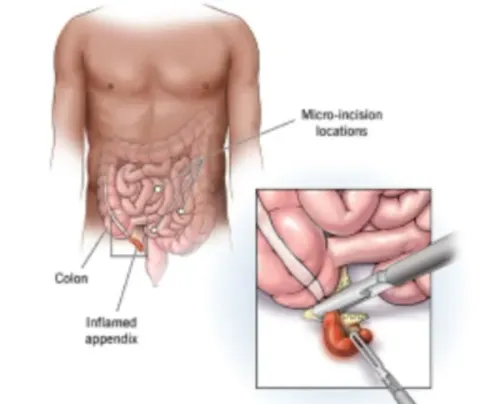
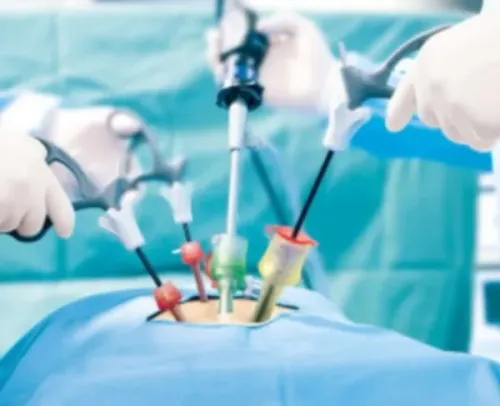
- Laparoscopic repair uses small incisions; open repair may fit other hernias better.
- Arrange transport, medication instructions and home help before your operation.
Which Hernia Do You Have, and When Is It an Emergency?
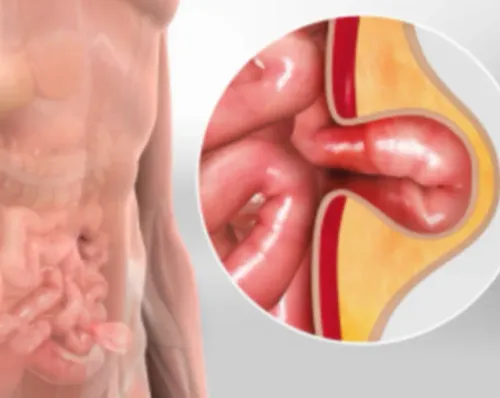
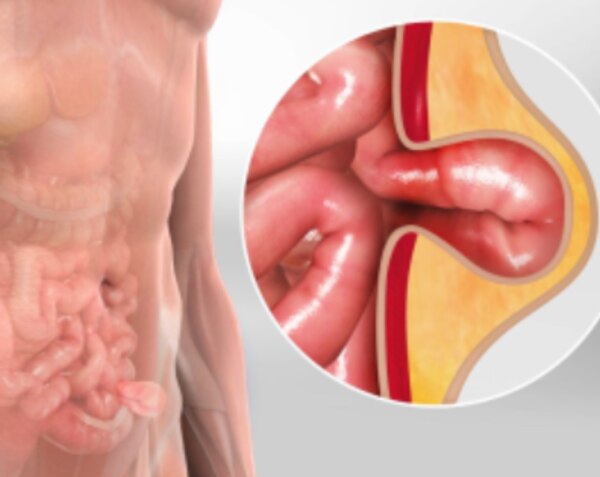
A hernia is tissue pushing through a weak area in the muscle or connective tissue that normally holds it in place. It often creates a lump that becomes visible when you stand, cough or strain, then reduces when you lie down.
| Type | Where it occurs | Typical clue |
|---|---|---|
| Inguinal hernia | Groin canal | A groin or scrotal bulge; the commonest groin hernia |
| Femoral hernia | Upper inner thigh, below the groin crease | A smaller lump with a higher risk of trapping bowel; more common in women |
| Umbilical hernia | Around the navel | A belly-button bulge, sometimes after pregnancy or weight gain |
| Incisional hernia | Through a previous abdominal-operation scar | A lump along the scar that enlarges with coughing |
| Hiatal hernia | Through the diaphragm into the chest | Reflux, chest discomfort or difficulty swallowing rather than an external lump |
An adult hernia does not close by itself. Watchful waiting can suit a man with a minimally symptomatic inguinal hernia, but new pain or enlargement needs review; women with groin hernias need timely assessment because a hidden femoral defect is more likely.
Seek immediate medical assessment for:
- A painful lump that cannot be pushed back, especially with increasing tenderness
- Red, purple or dark skin over the lump
- Persistent nausea or vomiting
- Increasing abdominal swelling
- Inability to pass stool or gas
These signs can indicate incarceration, strangulation or bowel obstruction. A clinician usually confirms the diagnosis by examination; ultrasound or CT is used when the findings are uncertain.
How Is a Hernia Diagnosed, and Who Needs Surgery?
A surgeon usually confirms a hernia diagnosis through a physical examination. You may stand, cough or strain while the surgeon checks for a bulge, weakness, tenderness and whether the lump returns inside with gentle pressure. If the examination is inconclusive, imaging can identify a hidden defect or another cause of pain.
- Ultrasound for hernia uses movement and straining to assess an uncertain groin lump, including an occult hernia.
- A CT scan for hernia helps map a ventral, recurrent or complicated defect and can show bowel obstruction, trapped bowel or another abdominal problem.
Watchful waiting hernia surgery is an observation plan, not a treatment that closes the defect. It can suit a man with a minimally symptomatic or symptom-free inguinal hernia, because acute incarceration is uncommon; arrange review if pain, enlargement or difficulty reducing the bulge develops. Many men eventually choose repair as symptoms increase.
| Option | What it means | When it applies |
|---|---|---|
| Watchful waiting | Monitor symptoms and attend review | Minimally symptomatic inguinal hernia in a man |
| Elective laparoscopic repair | Place mesh through a posterior approach, using TEP or TAPP | Symptomatic groin hernia, bilateral defects, recurrence after open repair, or a woman needing timely repair |
| Urgent operation | Assess bowel viability and contamination during surgery | Irreducible, obstructed or strangulated hernia |
Laparoscopic repair is not automatically safer in an emergency. Bowel resection, contamination, unstable health or difficult anatomy can require open surgery or conversion, and mesh may be unsuitable.
Laparoscopic or Open Repair: Which Approach Fits the Hernia?
The choice in laparoscopic versus open hernia repair depends on the hernia’s location, previous operations, and your fitness for general anaesthesia.
| Option | Access and anaesthesia | Mesh position and recovery | Preferred use |
|---|---|---|---|
| Open anterior repair | One incision over the groin; local, regional or general anaesthesia | Mesh sits in front of the weakened posterior wall; wound soreness can limit activity during early recovery | Many first-time, one-sided inguinal hernias, especially when general anaesthesia is unsuitable |
| TEP hernia repair | Small abdominal-wall ports; general anaesthesia; the surgeon stays outside the abdominal cavity | Mesh covers the myopectineal orifice in the preperitoneal space; several small wounds often mean less groin dissection | Bilateral inguinal hernias or recurrence after an open repair |
| TAPP hernia repair | Ports enter the abdominal cavity, then the peritoneum is opened; general anaesthesia | Mesh is placed in the preperitoneal space and the peritoneum is closed over it; recovery includes laparoscopic wound care | The same posterior hernia repair indications as TEP, depending on anatomy and surgeon expertise |
TEP means totally extraperitoneal; TAPP means transabdominal preperitoneal. Neither is automatically safer: both require general anaesthesia and can be unsuitable when anatomy is difficult or emergency bowel problems exist. After a previous laparoscopic or posterior repair, an anterior open approach usually avoids re-entering the same tissue plane.
For ventral or incisional hernias, laparoscopic repair is a different operation. Mesh needs broad overlap around the defect, and a large defect, contamination, loss of abdominal-wall domain or need for reconstruction can favour open surgery.
What Risks, Benefits and Limitations Should You Weigh?
Mesh-based repair usually lowers recurrence compared with suture-only repair, but it does not guarantee a permanent result. Hernia mesh risks include infection, adhesions, bowel injury, mesh displacement and later reoperation; the balance depends on the hernia’s size, location and your health.
Chronic pain after hernia surgery means bothersome, activity-limiting pain lasting at least three months. About 10–12% of patients experience clinically significant chronic groin pain after repair, while severe disabling pain affects a much smaller minority. Younger age, substantial pain before surgery and severe early pain raise the risk.
A new groin lump after surgery does not automatically mean recurrence. A seroma, hematoma or swelling in the old hernia sac can remain for weeks or months, especially after a large indirect or scrotal hernia.
Seek assessment if the lump enlarges, becomes increasingly painful, or comes with fever, vomiting, or inability to pass stool or gas.
Temporary urinary retention can occur after anaesthesia, opioids or pelvic discomfort. Tell the team if you cannot urinate after surgery; bladder scanning and a short-term catheter may be needed.
Laparoscopic ventral hernia repair is not suitable for every defect. Mesh can reduce recurrence compared with primary closure, but the mesh plane and fixation must match the anatomy.
With an incarcerated hernia, bowel blood supply and contamination determine whether laparoscopy is safe; bowel resection, contamination, unstable illness or difficult anatomy can require open surgery or conversion.
What Should You Arrange Before Surgery and Before Going Home?
Before choosing a date, complete your hernia surgery preparation in writing. Ask for the exact fasting before hernia surgery deadline for solid food, milk and clear liquids, plus which medicines you may take with a sip of water. Do not stop warfarin, apixaban, aspirin, diabetes tablets or supplements until the prescribing clinician gives a plan.
- Record a smoking-stop date; smoking raises coughing and wound-healing problems.
- If you have diabetes, write down glucose checks, insulin or tablet adjustments, and who to call for a high or low reading.
- Arrange an adult to take you home and stay with you after anaesthesia; do not drive yourself.
- Ask for hernia surgery discharge instructions covering pain medicines, wound care, showering, warning signs, the follow-up date and a 24-hour contact number.
- Confirm when driving, heavy work and exercise are safe. Resume activity when pain and movement allow, and never drive while sedated or unable to brake quickly.
Compare the operating team’s plan before booking:
| Plan detail | Team’s written answer | Why compare |
|---|---|---|
| Anaesthesia and fasting | Solid, milk and liquid cut-off times | Prevents cancellation or unsafe anaesthesia |
| Medication changes | Drug, dose and restart time | Avoids bleeding or glucose errors |
| Repair strategy | TEP, TAPP, mesh position and conversion plan | Shows how difficult findings will be handled |
| Discharge pathway | Escort, observation, pain control and review | Exposes gaps after leaving |
At Dr. Suradkar Laparoscopy Centre 08048032179, ask for these details in the hernia surgery medication instructions and discharge paperwork rather than relying on verbal advice.
Related service
Laparoscopic Hernia Repair Laparoscopic Hernia Repair is a minimally invasive surgical procedure performed by Dr. Shekhar Suradkar at Highway Hospital. View service → |
Frequently asked questions
When is a hernia an emergency?
Seek urgent medical care when a hernia becomes severely painful, firm, tender, discoloured or impossible to push back, especially with vomiting or abdominal swelling.
How is a hernia diagnosed?
A clinician examines the lump while you stand, cough or strain. Ultrasound or CT may be used when the diagnosis is uncertain or the hernia is not easy to feel.
Who needs hernia surgery?
Surgery is considered for painful, enlarging or activity-limiting hernias, and for hernias at risk of becoming trapped. A surgeon weighs symptoms, hernia type and your overall health.
Is laparoscopic repair better than open repair?
Neither approach suits every hernia. Laparoscopic repair uses small incisions and can be useful for selected groin or recurrent hernias, while open repair may better fit large, complex or unsuitable cases.
What should you arrange before going home after surgery?
Arrange an adult to take you home, follow medication and wound-care instructions, and plan help with lifting, meals and daily tasks during early recovery.