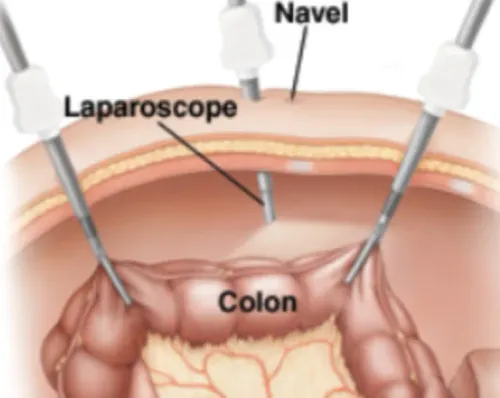
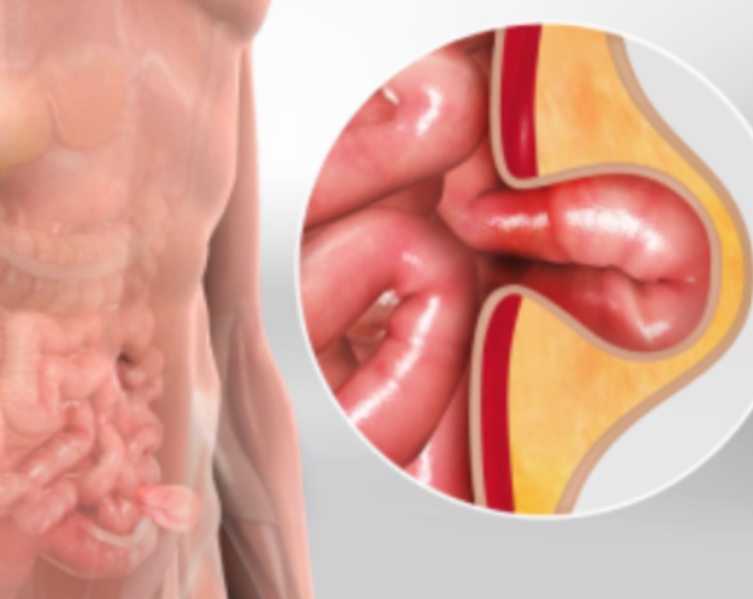
Planning for laparoscopic hernia repair should include understanding what happens after leaving the operating room. Patients often concentrate on the procedure itself, then discover that they still have important questions about walking, work, lifting, wound care, food, driving, and follow-up.
For patients undergoing treatment in Thane, Maharashtra, preparing for recovery in advance can make the postoperative period more manageable.
The First Stage of Recovery
Immediately after surgery, the medical team monitors recovery from anaesthesia and checks important clinical parameters.
Pain control, nausea management, movement, urination, and general postoperative condition may be assessed before discharge or transfer according to the individual treatment plan.
Patients should not compare their discharge timing with another person's experience because surgical complexity and medical fitness vary.
Expect Some Temporary Discomfort
Postoperative soreness around the incision sites can occur. Some patients may also experience sensations related to the operative area while healing progresses.
The treating surgeon may prescribe medication or provide specific pain-management instructions.
Medicines should be taken according to those instructions. Patients should avoid adding medications or supplements without checking whether they are appropriate during the postoperative period.
Movement Is Usually Part of Recovery
Remaining completely inactive is not generally the goal after uncomplicated surgery unless the treating team has given a specific reason for restriction.
Gentle movement may be encouraged according to medical advice. Walking can help patients gradually regain normal mobility.
However, walking comfortably does not mean the repaired area is ready for strenuous physical activity.
Lifting Requires Particular Attention
One of the most common recovery questions concerns lifting.
Patients may feel substantially better before internal healing is complete. Returning to heavy lifting too early may place unnecessary strain on the operative area.
The surgeon should provide individualized guidance based on the repair performed, postoperative progress, and the physical demands of the patient's work.
Someone with a desk-based occupation may receive different return-to-work guidance from a warehouse worker, technician, construction professional, or person whose job involves repeated lifting.
Take Wound Care Seriously
Small incisions still require appropriate care.
Patients should receive instructions about bathing, dressings, keeping wounds clean, and recognising signs that require review.
Increasing redness, unusual discharge, significant swelling, fever, or worsening pain should be reported according to the instructions provided by the surgical team.
Do not apply unrecommended creams, powders, or home preparations to surgical wounds.
Returning to Work
There is no universal day when every patient should return to work.
The appropriate timing depends on
- Type of work
- Physical exertion involved
- Recovery progress
- Pain levels
- Surgical complexity
- Commuting requirements
- The surgeon's assessment
Patients in Thane who have long daily commutes should discuss travel as part of return-to-work planning rather than considering only working hours.
Driving After Surgery
Driving should resume only when it is medically appropriate.
A patient needs to be able to sit comfortably, react safely, control the vehicle without significant pain, and comply with medication-related restrictions.
The surgical team can provide guidance based on individual recovery.
Keep Your Follow-Up Appointment
Feeling better does not make postoperative follow-up unnecessary.
A review allows the surgeon to assess wound healing, discuss symptoms, evaluate recovery progress, and advise on increasing activity.
Patients should use the appointment to clarify when exercise, lifting, travel, and full occupational duties can resume.
Know Which Symptoms Need Attention
Patients should receive specific postoperative warning signs before discharge.
Significant worsening pain, persistent vomiting, fever, increasing wound problems, marked abdominal swelling, or another unexpected deterioration should not be ignored.
Urgency depends on the nature and severity of symptoms.
Preparing for Recovery in Thane
At Dr. Suradkar Laparoscopy Centre, patients considering laparoscopic hernia repair in Thane can discuss postoperative planning as part of their surgical evaluation.
Before the procedure, arrange necessary support at home, understand medication instructions, plan work leave, and clarify activity restrictions.
For patients across Thane and surrounding areas of Maharashtra, successful recovery planning is not about rushing back to normal activity. It is about progressing appropriately according to healing, clinical guidance, and the demands of everyday life.
Keywords