Rectal bleeding, a lasting bowel-habit change, abdominal pain, vomiting, fever, weight loss, or inability to pass stool and gas can signal anything from a treatable condition to a surgical emergency. You will learn which findings need urgent assessment, how doctors confirm the cause, when colon resection is considered, and what to ask before choosing a laparoscopic or open operation.
Key takeaways
- Seek emergency care for severe pain, rigid abdomen, vomiting, bleeding, or blocked bowel.
- Diverticulitis, cancer, obstruction, and some inflammatory conditions may require segmental resection.
- CT scans, colonoscopy, biopsy, and surgical fitness guide the laparoscopic-versus-open decision.
- Ask when you can eat, work, drive, and whether a temporary or permanent stoma is possible.
Which symptoms require urgent assessment rather than a planned consultation?
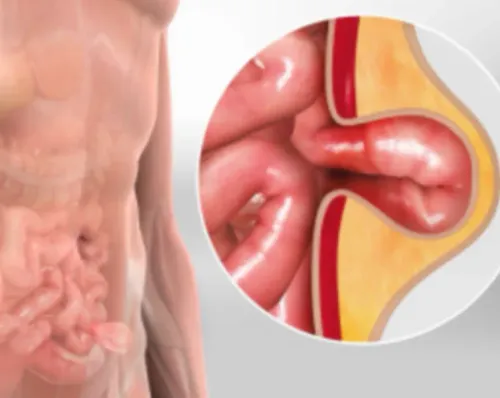
Severe or worsening abdominal pain with a rigid or swollen abdomen, repeated vomiting, fever, faintness, rapid heartbeat, heavy gastrointestinal bleeding, or inability to pass stool and gas requires hospital assessment now.
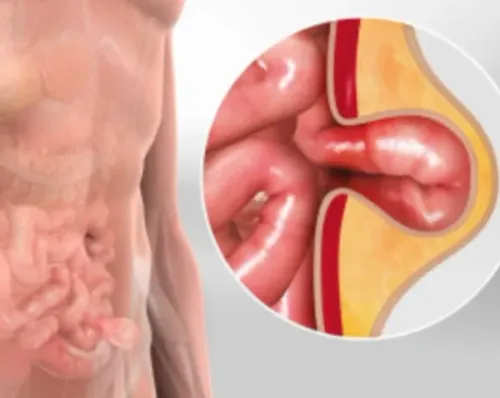
These signs can indicate bowel obstruction, perforation, peritonitis, severe diverticulitis, toxic megacolon, volvulus, or significant blood loss. Emergency teams may need intravenous fluids, blood tests, contrast-enhanced CT, antibiotics, bowel decompression, blood transfusion, or urgent surgery. Do not wait for a planned surgical appointment.
| Planned medical assessment | Hospital assessment now |
|---|---|
| Persistent rectal bleeding, black stool, or unexplained iron-deficiency anaemia | Heavy bleeding, faintness, rapid heartbeat, or collapse |
| Persistent change in bowel habits lasting several weeks | No passage of stool or gas, especially with vomiting and swelling |
| Ongoing abdominal pain, bloating, fatigue, or unintentional weight loss | Severe or rapidly worsening abdominal pain with fever or a rigid abdomen |
The planned symptoms can occur with colon cancer, polyps, diverticular disease, inflammatory bowel disease, or a stricture. Arrange medical evaluation even when symptoms are mild; colonoscopy with biopsy, blood tests, CT, or stool tests may identify the cause.
A symptom alone does not prove that laparoscopic colon surgery is needed. The suspected diagnosis, severity, bowel viability, and stability determine whether doctors investigate first, decompress the bowel, operate urgently, or plan minimally invasive surgery.
Which colon conditions can lead to a segmental resection?
Segmental resection becomes a serious consideration when disease is confined to a bowel segment but cannot be safely treated with medication, colonoscopy or decompression alone. The operation removes the affected segment, and cancer surgery also includes the lymphovascular pedicle and regional lymph nodes before reconnecting the bowel when safe.
| Condition | Findings that change the plan | Possible operation |
|---|---|---|
| Localized colon cancer | Stage, tumour location, margins, obstruction, perforation or invasion into nearby structures determine the extent of resection. | Segmental colectomy with lymph-node assessment; laparoscopic access is considered when it can achieve an adequate cancer operation. |
| Colon polyp | Most polyps are suitable for colon polyp removal during colonoscopy. A large, flat or broad-based lesion, incomplete removal or invasive cancer on biopsy changes the choice. | Specialist endoscopic removal or segmental colectomy with lymph-node assessment. |
| Diverticular disease | Recurrent symptoms, a diverticular abscess, fistula, stricture, obstruction or persistent sepsis influence elective surgery; no fixed number of attacks mandates it. | Individualised sigmoid colectomy. |
| Crohn’s disease | A short fibrotic Crohn’s disease stricture or fistula, recurrent obstruction or localized perforation can damage bowel or cause sepsis. | Bowel-sparing resection; disease can recur elsewhere. |
| Ulcerative colitis | Refractory disease, dysplasia, cancer, toxic megacolon, severe bleeding or perforation may require removal of the colon. | Colectomy, with reconstruction or ileostomy planned separately. |
| Volvulus | Necrosis, perforation, peritonitis, right- or left-sided twisting, or failed decompression requires urgent control. | Resection, often with open surgery or conversion when viability is uncertain. |
A Crohn’s resection is not a cure, while ulcerative-colitis surgery can remove colitis from the removed colon. Their reconstruction choices differ substantially.
How do doctors confirm the diagnosis and decide between laparoscopic and open surgery?
Doctors confirm the disease first, then choose access based on safety and the quality of the planned resection. Colonoscopy with biopsy can identify cancer, dysplasia, inflammatory disease or a suspicious polyp. Most polyps are removed during colonoscopy; surgery becomes relevant when endoscopic removal is incomplete or pathology shows invasive cancer.
Contrast-enhanced CT can show obstruction, perforation, abscesses, thickened bowel, spread to other organs and the anatomy needed for surgery. MRI for rectal disease is used selectively because rectal treatment can involve different imaging, radiation, chemotherapy and operations from colon treatment.
Blood tests assess haemoglobin, infection, kidney function and inflammation; stool tests help investigate suspected inflammatory bowel disease or infection.
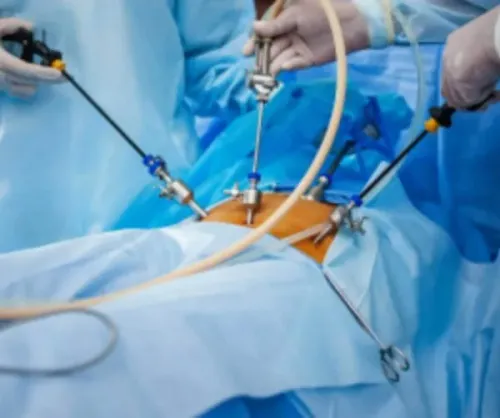
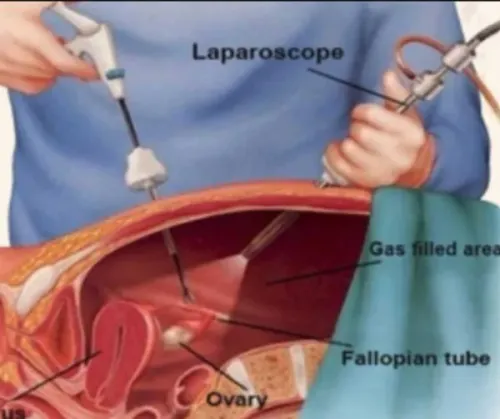
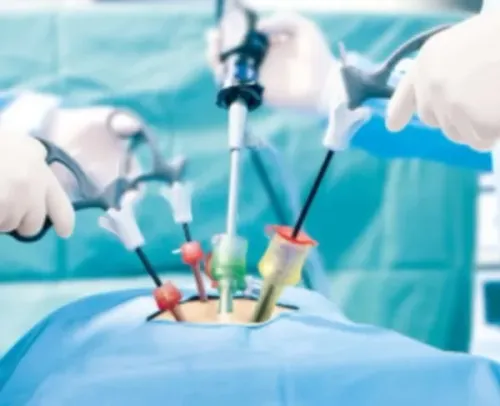
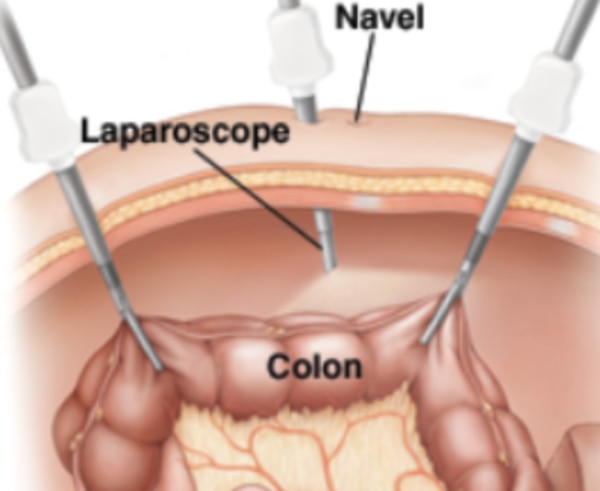
The laparoscopic versus open colectomy decision depends on whether minimally invasive access can achieve the same oncological and safety goals.
1. Laparoscopy is considered when the surgeon can remove the correct segment, obtain adequate cancer margins and harvest the planned regional lymph nodes.
2. Planned open surgery may be safer with extensive previous abdominal operations, dense adhesions, a bulky or locally invasive tumour, severe distension, diffuse peritonitis, unstable perforation, widespread disease, inability to tolerate general anaesthesia or pneumoperitoneum, or uncertain bowel viability.
3. Laparoscopy can convert to open surgery if bleeding, adhesions or unclear anatomy prevent safe progress.
Ask whether the proposed segment, margins and lymph-node plan remain adequate through minimally invasive access.
What happens during recovery, and when might you need a stoma?
Recovery starts with preparation: follow the prescribed bowel preparation, fast for the specified period, and give the team a complete medication list. Include aspirin, clopidogrel, warfarin, apixaban and every other anticoagulant or antiplatelet drug; do not stop any medicine without instructions.
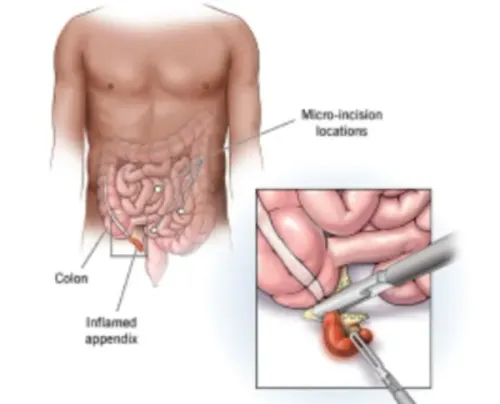
Under general anaesthesia, the surgeon removes the affected bowel segment and, for cancer, the regional lymph nodes. The bowel ends undergo bowel resection and reconnection when their blood supply and tissue condition make the join safe.
A temporary or permanent stoma may be needed. A temporary ileostomy or colostomy can protect a high-risk join. A permanent stoma becomes more likely when reconnection is unsafe, the sphincter or rectum is involved, contamination is severe, or you are unstable.
Reversal depends on healing, remaining bowel, cancer treatment, fitness and the original disease, so it cannot be promised.
Early recovery usually follows this pattern:
- Multimodal pain relief, wound checks and monitoring for bleeding, infection and bowel function.
- Postoperative walking to reduce blood clots, followed by gradual eating and drinking as bowel activity returns.
- Observation for anastomotic leak, ileus, fever, worsening pain, vomiting or a swollen abdomen.
- Several weeks of limits on lifting and strenuous activity; ask when you can drive, work and resume normal exercise.
Ask how long you may stay in hospital. Risks include injury to nearby organs, recurrent disease, conversion to open surgery, reoperation and stoma complications.
What should you compare at a surgical consultation?
Compare the recommendation against the diagnosis, the alternatives and the surgeon’s plan for a safe bowel join—not against incision size alone.
- Colonoscopy and pathology reports
- CT or MRI reports and image discs
- Blood-test results
- Your medication list, including warfarin, apixaban, clopidogrel or aspirin
- Allergy list and notes from previous abdominal operations
Ask whether the disease is in the colon or rectum, and whether medication, endoscopic removal or antibiotics is a reasonable first choice. Clarify which bowel segment will be removed, how many lymph nodes are planned for cancer, and why laparoscopic access is suitable.
| Question | Laparoscopic approach | Open approach |
|---|---|---|
| Cancer operation | Appropriate segment, margins and lymph-node harvest through keyhole access | Used when those goals cannot be achieved safely |
| Stoma | Ask the estimated likelihood, whether it would be temporary and what could prevent reconnection | Ask whether contamination, unstable illness or poor bowel condition changes the plan |
| Conversion | Ask what bleeding, adhesions, distension or anatomy would trigger conversion | Ask whether open surgery is already safer |
A surgical second opinion should compare pathology, tumour or stricture location, margins, lymph-node plan, nonoperative alternatives, minimally invasive feasibility, surgeon experience and expected recovery. Your team may include a colorectal surgeon and gastroenterologist, oncologist, radiologist, stoma nurse and dietitian.
Dr. Suradkar Laparoscopy Centre 08048032179 can provide one consultation point in Thane; confirm experience with your condition and emergency plan.
Related service
Laparoscopic Colon Surgery Laparoscopic Colon Surgery is an advanced minimally invasive procedure used to treat conditions such as colon cancer, diverticulitis, inflammatory... View service → |
Frequently asked questions
Which symptoms require urgent assessment rather than a planned consultation?
Go to hospital for severe or worsening abdominal pain, a rigid or swollen abdomen, repeated vomiting, fever, faintness, rapid heartbeat, heavy gastrointestinal bleeding, or inability to pass stool and gas.
Which colon conditions can lead to a segmental resection?
Colon cancer, complicated diverticulitis, bowel obstruction, perforation, ischemic colon disease, and selected inflammatory bowel conditions can require removal of the affected segment.
How do doctors decide between laparoscopic and open colon surgery?
Doctors combine examination findings with CT imaging, colonoscopy, biopsy results, blood tests, and your surgical fitness. Extensive disease, perforation, instability, dense scarring, or unsafe visibility can favour open surgery.
When might you need a stoma after colon surgery?
A stoma may be needed when the bowel cannot be safely joined, infection or leakage risk is high, the bowel is blocked or perforated, or urgent surgery prevents a secure reconnection. It can be temporary or permanent.
What should you compare at a surgical consultation?
Compare the proposed procedure, alternatives, conversion-to-open risk, expected hospital stay, pain control, diet progression, return-to-work timeline, complication plan, and the likelihood and duration of a stoma.