Pain under the right ribs is not enough by itself to determine whether you need gallbladder surgery. By the end, you will know which symptoms and test results matter, how to prepare for the operation, what happens in hospital, and which recovery changes require medical review.
Key takeaways
- Persistent pain, fever, or tenderness needs urgent gallbladder assessment.
- Follow fasting, medication, and transport instructions before surgery.
- Open surgery may be safer if anatomy or bleeding creates a risk.
- Seek help for fever, worsening pain, jaundice, or wound drainage.
When do symptoms and test results point to gallbladder surgery?
Biliary colic—steady upper-right or upper-middle abdominal pain after meals, often with nausea—usually means gallstones are causing symptoms, so planned laparoscopic cholecystectomy is commonly recommended. Acute cholecystitis causes persistent pain, fever, tenderness, and gallbladder-wall inflammation; it needs urgent medical assessment and often surgery during the same admission.
Jaundice, dark urine, pale stools, or pancreatitis symptoms signal possible bile-duct blockage and require prompt hospital evaluation.
| Situation | Key clues | Usual treatment direction |
|---|---|---|
| Symptomatic stones | Biliary colic; ultrasound findings show stones without major inflammation; liver-function tests are normal | Planned laparoscopic cholecystectomy |
| Acute cholecystitis | Persistent pain, fever, raised inflammatory markers, thickened gallbladder wall or surrounding fluid | Urgent assessment, antibiotics when indicated, and early surgery |
| Suspected common-bile-duct stones | Jaundice, abnormal liver-function tests, a widened duct or visible duct stone on ultrasound | MRCP or endoscopic ultrasound; ERCP when a stone needs removal |
An ultrasound and liver-function tests help distinguish a gallbladder problem from duct obstruction. MRCP or endoscopic ultrasound avoids treating an uncertain duct stone as a routine gallbladder case; ERCP removes a confirmed obstructing stone, but it does not remove the gallbladder. Gallstone pancreatitis usually requires treatment of the obstruction followed by cholecystectomy when safe.
Incidentally discovered asymptomatic gallstones usually need observation, not surgery. Medicines rarely provide a durable alternative and suit selected people who cannot undergo an operation. A surgeon may choose another treatment when surgical risk is high, symptoms have another cause, or testing finds no gallstone-related problem.
How should you prepare, and what happens on the day of surgery?
Your laparoscopic cholecystectomy preparation starts with the anaesthesia team’s instructions. Confirm the fasting period exactly; eating or drinking beyond that window can postpone surgery.
- Ask when to stop solid food, milk, clear fluids, chewing gum, and tobacco.
- Get written instructions for blood thinners and diabetes medicines; do not stop or take extra doses without approval.
- Provide an allergy list, including reactions to antibiotics, latex, iodine, and anaesthetic drugs.
- Tell the team if pregnancy is possible; a pregnancy test may be required.
- Complete the pre-anaesthesia assessment, including medical history, medication review, examination, and requested blood tests or an electrocardiogram.
- Arrange an adult to drive you home and stay overnight. Bring identification, reports, medication lists, regular medicines in original packs, and comfortable loose clothing.
- After admission, staff check your identity, fasting status, medicines, observations, and consent. The surgeon explains benefits, risks, alternatives, and possible drain placement.
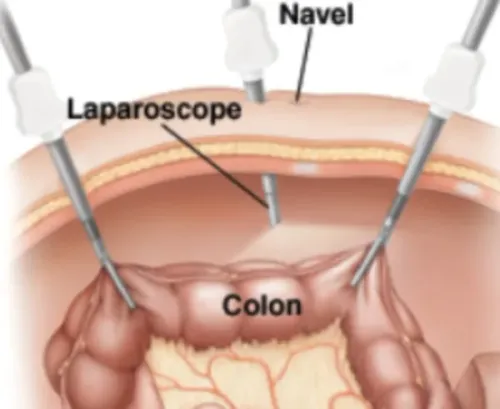
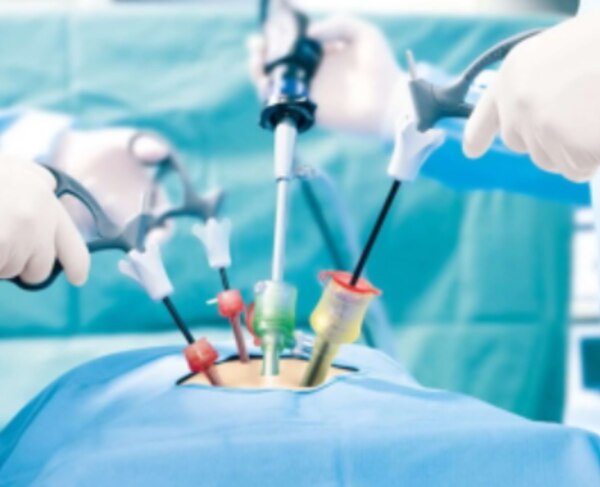
- Under general anaesthesia, the surgeon makes small abdominal incisions and inserts ports for a camera and instruments.
- The gallbladder is separated from nearby tissues and the liver, its duct and artery are secured, and the gallbladder is removed through a port.
- The specimen goes for examination. A surgical drain is placed only when the operating findings make drainage useful.
- In recovery, staff monitor breathing, blood pressure, pain, nausea, and bleeding. Discharge criteria include controlled symptoms, drinking, urinating, safe walking, and no reason for observation. Acute illness or complications can require an overnight stay.
Why might laparoscopic surgery become an open operation?
A surgeon does not divide the cystic duct or cystic artery until the anatomy is clear. The critical view of safety requires clearing the hepatocystic triangle, separating the lower gallbladder from the liver, and seeing only two structures entering the gallbladder.
- If this view is difficult to obtain, the surgeon pauses rather than guessing. An intraoperative cholangiogram or other biliary imaging can map the ducts when anatomy is unusual, a common-bile-duct stone is suspected, or bile-duct injury is a concern.
- If safe dissection remains impossible, the surgeon may perform a subtotal cholecystectomy, leaving part of the gallbladder rather than risking the main bile duct.
- The surgeon may choose conversion to open cholecystectomy through a larger incision when severe inflammation, dense adhesions, uncontrolled bleeding, unusual anatomy, or suspected bile-duct injury makes laparoscopy unsafe.
- If bleeding or an injury occurs, the team may repair it immediately, place a drain, or arrange endoscopic, radiological, or further surgical treatment.
Conversion to open surgery is a safety decision, not proof that the operation failed. Bile-duct injury is uncommon—about 0.3% to 0.5% is cited in safety guidance—but serious; it can cause bile leakage, infection, jaundice, or the need for additional procedures. Your surgeon should discuss this possibility before surgery.
What will you feel immediately after gallbladder surgery?
Laparoscopic surgery recovery usually begins with soreness around the small incisions and aching in the upper abdomen. Carbon dioxide used during the operation can irritate the diaphragm, causing shoulder-tip pain even though the shoulder itself was not operated on. This discomfort usually eases as the gas is absorbed over the next few days.
You may notice:
- Nausea, especially during the first hours after anaesthesia
- Fatigue and sleepiness
- Bloating or trapped wind
- Temporary bowel changes, including slower bowel movements
Walking soon after the team allows helps move gas through the intestine and reduces stiffness. Take prescribed pain relief before discomfort becomes severe, and ask for anti-nausea treatment if queasiness prevents drinking.
Start with small sips of fluid, then progress from light foods to ordinary meals as tolerated; smaller meals can feel better than a rich or fatty meal at first.
Many uncomplicated operations qualify as day-case surgery. You can leave when your pain and nausea are controlled, you can drink and urinate, and you can walk safely. An overnight stay or longer observation is appropriate after acute inflammation, bile-duct exploration, or a major medical condition.
Uncontrolled symptoms, bleeding, infection, bile leakage, or another complication also delay discharge. Arrange an adult to take you home and stay with you if your hospital requires it.
How should you manage food, activity, wounds, and warning signs at home?
After laparoscopic cholecystectomy, wound care starts with keeping incisions clean and following the dressing instructions. Showering is usually allowed when your surgical team says it is; let water run over the wounds, pat them dry, and do not soak in a bath or pool until healed. A little clear drainage or bruising can be normal.
- Walk several times daily, increasing distance as your energy returns. Follow your surgeon’s instructions for lifting, exercise, and strenuous housework; do not test painful movements.
- Do not drive while taking opioid pain medicine or while turning, braking, or checking traffic causes pain. Return to work when you can concentrate and manage its physical demands.
- Resume sex when comfortable and movement does not pull on the incisions. Stop if pain occurs.
- Keep the scheduled follow-up, even if recovery feels easy. Ask when dressings, stitches, or activity restrictions should change.
Gallbladder removal diet changes are temporary for most people. Your liver still sends bile into the intestine, so you do not need a permanently fat-free diet. Choose smaller meals, limit fatty foods at first, and gradually reintroduce rich foods. Loose stools or urgency can occur; persistent symptoms may be bile-acid diarrhea and deserve assessment.
Seek prompt medical care for fever, worsening pain, repeated vomiting, wound redness or pus, jaundice, dark urine, pale stools, abdominal swelling, or inability to drink. Contact Dr. Suradkar Laparoscopy Centre 08048032179 in Thane for procedure-specific advice rather than accepting persistent symptoms as normal.
Related service
Laparoscopic Cholecystectomy At Highway Hospital, Dr. Shekhar Suradkar performs Laparoscopic Cholecystectomy using advanced minimally invasive techniques for safe removal of the... View service → |
Frequently asked questions
When do symptoms and test results point to gallbladder surgery?
Biliary colic after meals with confirmed gallstones often leads to planned laparoscopic cholecystectomy. Persistent pain, fever, tenderness, and gallbladder-wall inflammation suggest acute cholecystitis and require urgent assessment.
How should you prepare for laparoscopic gallbladder surgery?
Follow the hospital’s fasting instructions, disclose every medicine and health condition, arrange an adult to take you home, and complete the requested blood tests or scans.
Why might laparoscopic surgery become an open operation?
The surgeon may make a larger incision when severe inflammation, scar tissue, unclear anatomy, bleeding, or an injury risk makes laparoscopic surgery unsafe.
What will you feel immediately after gallbladder surgery?
Expect abdominal soreness, tiredness, nausea or a sore throat, and possible shoulder pain from the gas used during laparoscopy. Your team will provide pain relief and monitor eating, walking, and urination.
How should you manage recovery at home after gallbladder surgery?
Eat smaller meals as tolerated, walk regularly, keep wounds clean and dry as instructed, avoid heavy lifting until cleared, and seek medical help for fever, worsening pain, jaundice, vomiting, or wound drainage.