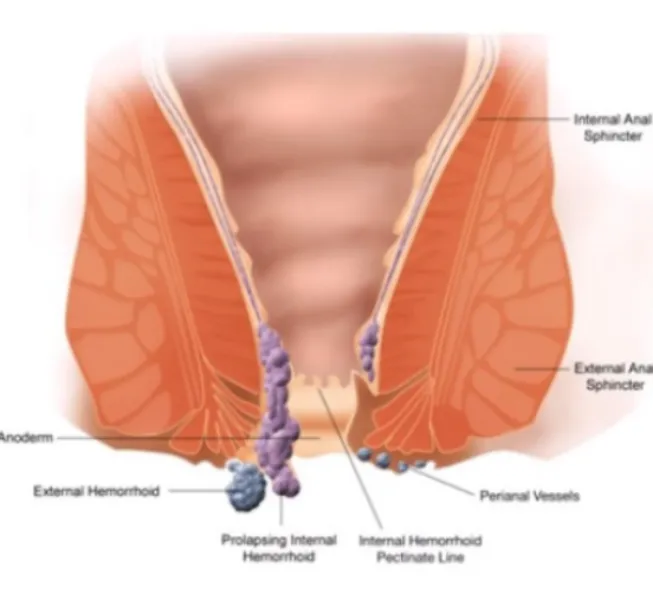
Piles are common, but embarrassment often prevents people from discussing symptoms early. Some patients repeatedly use home remedies or over-the-counter products without confirming whether piles are actually causing their discomfort.
For people seeking treatment in Thane, Maharashtra, avoiding a few common mistakes can make the path to appropriate care much clearer.
Mistake 1 Assuming Every Rectal Symptom Is Piles
Bleeding, discomfort, itching, or swelling around the anal region can occur for different reasons.
Self-diagnosing piles solely from symptoms can therefore be misleading. An appropriate examination helps identify the actual cause and determines whether further investigation is needed.
Rectal bleeding, particularly when persistent or unexplained, should not automatically be attributed to piles.
Mistake 2 Waiting Because the Problem Feels Embarrassing
Delaying medical assessment can prolong discomfort and uncertainty.
Healthcare professionals routinely assess anorectal symptoms. Providing an accurate description of bleeding, pain, bowel habits, swelling, duration of symptoms, and previous episodes can help the doctor understand the problem.
The consultation is also an opportunity to discuss factors that may contribute to symptoms.
Mistake 3 Relying Only on Temporary Symptom Relief
Creams, sitz baths, dietary measures, or medicines may help certain symptoms in selected situations, but temporary relief does not necessarily mean that the underlying condition has been fully assessed.
Treatment should depend on the diagnosis and severity.
Some patients can be managed conservatively. Others may require a procedure after clinical evaluation. The appropriate pathway cannot be determined from an online symptom list alone.
Mistake 4 Ignoring Constipation
Straining during bowel movements can contribute to ongoing anorectal symptoms.
Patients may benefit from discussing bowel habits, dietary fibre, fluid intake, physical activity, and constipation management with their clinician.
However, suddenly making extreme dietary changes is not necessary. A sustainable bowel routine is generally more useful than short-term measures that are difficult to maintain.
Mistake 5 Choosing a Procedure Before an Examination
Patients sometimes search for a particular technique before they know the severity or nature of their condition.
This reverses the proper decision-making process.
Diagnosis should come first. Treatment is selected afterward according to clinical findings, symptom severity, general health, previous treatment, and other relevant factors.
Mistake 6 Expecting Every Patient to Need Surgery
Not every case requires an operation.
Depending on clinical findings, treatment can involve lifestyle measures, bowel management, medication, office-based intervention, or surgery. The purpose of consultation is to identify the least excessive treatment that appropriately addresses the condition.
Similarly, patients should not assume that surgery is never required. Persistent or advanced problems may need procedural management.
Mistake 7 Ignoring Recovery Instructions
When a procedure is required, postoperative care can influence comfort during recovery.
Patients should follow instructions concerning medication, hygiene, diet, bowel movements, activity, and follow-up. Fear of the first bowel movement can sometimes lead patients to avoid eating normally or to alter prescribed medicines without advice.
Concerns are better discussed with the treating team.
What Should You Tell the Doctor?
To make the consultation more useful, explain
- How long symptoms have been present
- Whether bleeding occurs
- Whether symptoms relate to bowel movements
- Whether constipation is frequent
- What treatments have already been tried
- Which medicines you currently take
- Whether symptoms have changed recently
Clear information can help guide appropriate evaluation.
Seeking Piles Treatment in Thane
At Dr. Suradkar Laparoscopy Centre, patients seeking treatment in Thane can undergo evaluation to establish the cause and severity of symptoms before treatment is selected.
For patients across Thane and surrounding parts of Maharashtra, the most useful approach is neither to panic nor to repeatedly self-treat an unconfirmed condition. Proper assessment can distinguish piles from other possible causes, establish the severity of the problem, and guide treatment according to individual clinical needs.
Keywords