Gallbladder stones are a common health concern, but not everyone with gallstones experiences symptoms. When pain, inflammation, or digestive discomfort becomes frequent, doctors may recommend Laparoscopic Cholecystectomy, a minimally invasive procedure to remove the gallbladder. One of the first questions patients ask is how long recovery will take and when they can safely return to their normal routine.
Understanding each stage of recovery helps patients prepare for surgery with realistic expectations and follow postoperative instructions more confidently.
Why Is Laparoscopic Cholecystectomy Performed?
The gallbladder is a small organ located beneath the liver that stores bile, a digestive fluid produced by the liver. When gallstones block the flow of bile or trigger repeated inflammation, they can cause severe abdominal pain and other digestive problems.
A surgeon may recommend laparoscopic gallbladder removal for conditions such as:
- Symptomatic gallstones
- Recurrent gallbladder attacks
- Acute or chronic cholecystitis
- Gallbladder polyps requiring treatment
- Gallstone-related pancreatitis in selected cases
Removing the gallbladder prevents future attacks while allowing bile to flow directly from the liver into the intestine.
What Happens During the Procedure?
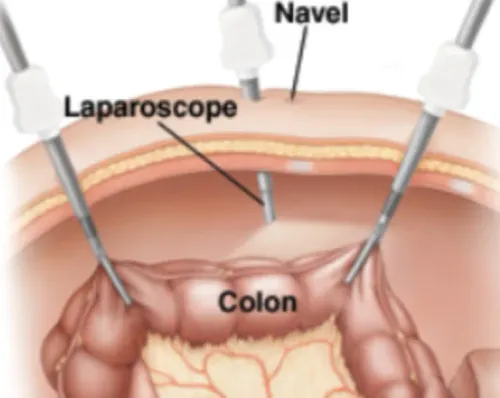
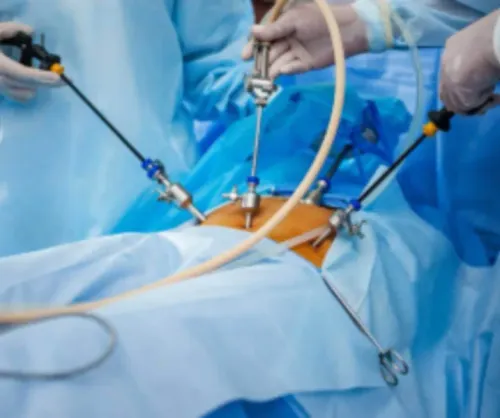
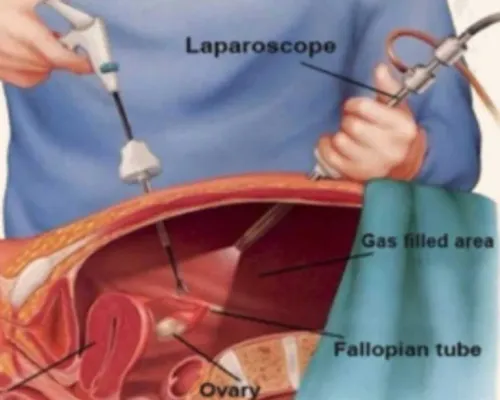
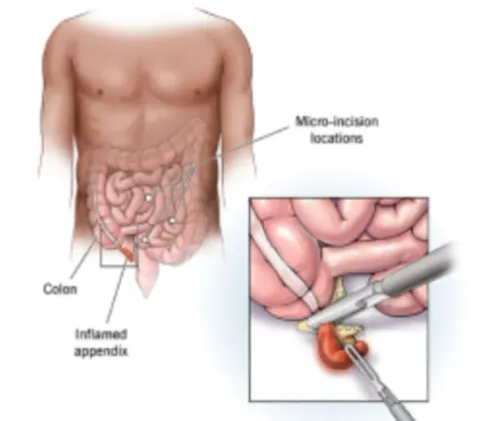
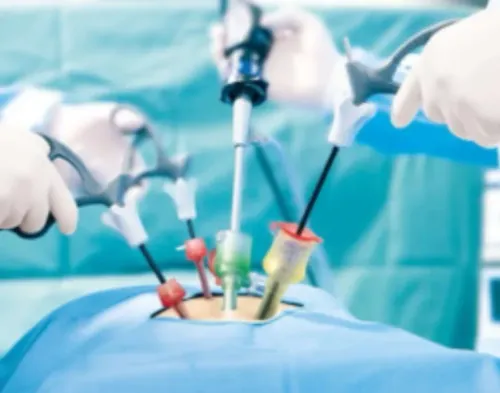
Laparoscopic Cholecystectomy is performed through a few small incisions in the abdomen instead of one large surgical cut.
During the procedure:
- A tiny camera is inserted through a small incision.
- Carbon dioxide gas gently inflates the abdomen to improve visibility.
- Specialized instruments are used to carefully separate the gallbladder.
- The gallbladder is removed through one of the small openings.
- The incisions are closed after the procedure is completed.
Because the surgery involves minimal tissue disruption, many patients experience less pain and recover faster than with traditional open surgery.
The First 24 Hours After Surgery
The first day focuses on recovery from anesthesia and early mobilization.
Many patients can:
- Sit up within a few hours
- Walk short distances with assistance
- Begin drinking fluids gradually
- Start eating light meals if advised
- Return home the same day or after a short hospital stay, depending on their condition
Mild shoulder discomfort is sometimes experienced because of the gas used during surgery. This usually improves within a few days.
Recovery During the First Week
The initial week is dedicated to healing and regaining normal activity levels.
Patients commonly notice:
- Mild soreness around the incision sites
- Reduced abdominal discomfort each day
- Improved appetite
- Better mobility
- Gradual return to routine household activities
Doctors usually recommend avoiding heavy lifting while encouraging gentle walking several times a day to improve circulation and reduce the risk of complications.
What to Expect Over the Following Weeks
Most patients continue improving steadily over the next few weeks.
During this period:
- Surgical wounds continue healing
- Energy levels gradually return
- Daily activities become easier
- Digestive function adjusts after gallbladder removal
- Follow-up appointments confirm normal recovery
Some people temporarily notice changes in bowel habits after surgery. These symptoms generally improve as the digestive system adapts.
Helpful Tips for a Smooth Recovery
Following postoperative advice carefully supports faster healing and reduces unnecessary discomfort.
Recovery recommendations often include:
- Walk every day without overexertion
- Eat smaller meals during the initial recovery period
- Stay well hydrated
- Follow medication instructions carefully
- Keep surgical wounds clean and dry
- Avoid strenuous exercise until medically cleared
- Attend scheduled follow-up visits
Patients should always follow their surgeon's individualized instructions rather than comparing their recovery with someone else's.
When Should You Contact Your Surgeon?
Although complications are uncommon, certain symptoms require prompt medical attention.
Seek medical advice if you experience:
- Persistent high fever
- Increasing abdominal pain
- Continuous vomiting
- Yellowing of the eyes or skin
- Significant redness around the wounds
- Persistent drainage from the incision
- Difficulty eating or drinking
Early communication with the surgical team helps identify potential problems before they become serious.
Life After Gallbladder Removal
Most individuals lead completely normal lives after gallbladder surgery. The liver continues producing bile, allowing digestion to continue without the need for a gallbladder.
Maintaining healthy eating habits can support long-term digestive health.
Helpful lifestyle measures include:
- Eating balanced meals
- Limiting excessive fatty foods initially
- Maintaining a healthy body weight
- Exercising regularly
- Staying hydrated
- Managing cholesterol levels when appropriate
These habits contribute to overall digestive well-being long after surgery.
Choosing Experienced Laparoscopic Care
Successful recovery depends not only on the procedure itself but also on accurate diagnosis, careful surgical technique, and appropriate postoperative guidance. Patients should choose a surgeon with experience in minimally invasive gastrointestinal procedures to ensure treatment is tailored to their specific condition.
Individuals from Thane and surrounding parts of Mumbai frequently seek advanced laparoscopic solutions that promote quicker recovery with minimal disruption to daily life. Dr. Suradkar Laparoscopy Centre provides comprehensive evaluation for gallbladder disorders and recommends treatment based on clinical findings and patient needs. Those interested in understanding the procedure, recovery expectations, and available surgical services can also visit the centre's official website before scheduling a consultation.
Keywords