The right treatment depends on whether you have an acute abscess, a persistent sinus, or recurrent disease with branching tracts and previous scars. By matching the examination findings to the procedure, you can compare healing time, wound care, recurrence risk and time away from work before choosing a pilonidal sinus surgery option.
Key takeaways
- An abscess usually needs incision and drainage before definitive sinus treatment.
- Limited pits may suit a limited procedure when no extensive tract is present.
- Choose closure based on wound size, tract extent and expected healing demands.
- Ask how examination findings change your pilonidal sinus surgery choice.
Start by identifying the problem you need treated
A painful, swollen lump with tenderness or pus is an acute pilonidal abscess, not simply a chronic sinus. It usually needs incision and drainage first; this releases trapped infection but does not necessarily remove the pits or connecting tract.
Antibiotics alone do not drain an abscess. Use them when fever, spreading redness, systemic illness or another specific indication is present. After the acute infection settles, reassess whether persistent pits, discharge or recurrent attacks require treatment of the underlying sinus.
A small, quiet sinus with minor symptoms can sometimes be observed with careful cleft hygiene and hair control. Repeated antibiotics do not replace definitive treatment when drainage continues or flare-ups return. The right pilonidal sinus treatment options depend on what the examination shows:
- Abscess now: arrange drainage and seek urgent review for fever, rapidly spreading redness or severe illness.
- Chronic, mild disease: discuss observation, washing, drying and hair control when symptoms are limited.
- Persistent or recurrent disease: assess the number of midline pits, secondary openings, lateral tracts and any previous operation before choosing pit-directed, endoscopic, excision or flap treatment.
- Unusual or extensive findings: ask whether imaging is needed; routine CT, MRI and ultrasound are not normally required for a typical clinical presentation.
Ask whether the proposed procedure treats only today’s abscess or also the sinus that caused it. That distinction prevents temporary relief from being mistaken for a complete cure.
Match limited disease to a limited procedure
A small number of shallow midline pits with minor symptoms may not need an operation immediately. Hygiene and hair control can suit chronic disease without an abscess: wash and dry the cleft, prevent hair accumulation, and monitor for drainage or flare-ups. Persistent drainage or repeated episodes makes definitive treatment more reasonable than repeated antibiotics.
1. Phenol fits selected chronic sinus disease without acute infection. The clinician removes hair and debris, then applies phenol inside the tract. Treatment may require repeat sessions, and a large, branching or actively infected cavity is a poor match.
2. Pit-picking or trephine treatment suits a few accessible pits with limited underlying tracts. These procedures remove less tissue and usually create a smaller wound, but extensive disease, multiple lateral openings or previous recurrence raises the chance of failure.
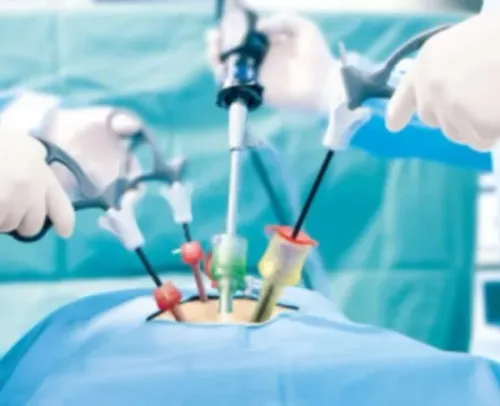
3. Endoscopic treatment, including EPSiT, uses a small access opening, a camera and instruments to clear hair and inflamed tissue. It fits selected superficial disease when reducing wound size matters, but long-term recurrence evidence remains less mature than for established flap procedures.
4. A broad cavity, deep cleft, multiple lateral openings or recurrent disease usually needs a different plan, often excision with an off-midline flap. No single answer resolves which pilonidal sinus treatment option fits your condition; examination of the pits and tracts determines the safer match.
Choose excision and closure according to wound and tract extent
The pilonidal sinus surgery choice should follow the tract pattern, not the procedure’s name. A few superficial pits may suit limited treatment, while multiple lateral openings, branching cavities, recurrent disease or a deep cleft usually need wider excision and an off-midline flap.
| Option | Wound approach | Main trade-off |
|---|---|---|
| Open healing | Excision left open to heal from the base | Avoids a cleft suture line and can reduce recurrence compared with midline closure, but requires prolonged dressings and slower healing |
| Delayed closure | Excision followed by closure after the wound settles | Avoids immediate tension in contaminated tissue, but extends wound care and requires a second procedure or later closure decision |
| Karydakis flap | Tissue flap moves the scar off the midline and flattens the cleft | Suits broader or recurrent disease; recovery depends on flap size and wound care |
| Bascom cleft lift | Removes diseased tissue and lifts or shallows the cleft | Useful for deep clefts, persistent drainage or failed previous operations |
| Limberg-type flap | Rhomboid excision covered with a transposed flap | Covers extensive or branching defects, but creates a larger operative wound |
A midline primary closure usually heals faster than open treatment, yet its position in the deepest cleft raises wound and recurrence concerns. If excision is closed, ask whether the scar will be off-midline; Karydakis, Bascom cleft lift and Limberg-type flaps lateralise it.
Ask for the surgeon’s own wound-complication and recurrence rates, plus expected dressing time and time away from work.
Use the examination to select the operation
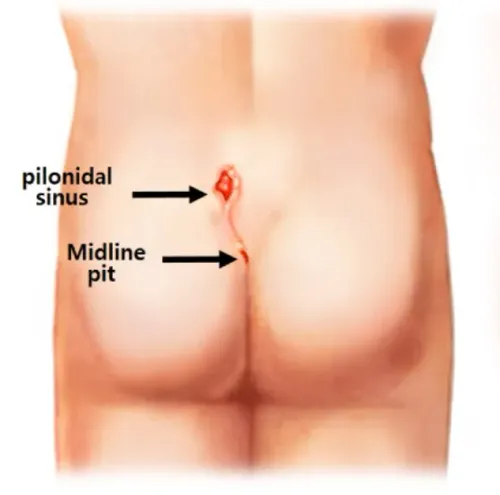
The examination should decide the operation: document every midline pit, lateral opening, scar, draining point, cavity and tract direction. A painful fluctuant lump indicates an abscess requiring drainage; persistent openings suggest chronic sinus, while old scars and new pits indicate recurrence.
Imaging is not routine, but ultrasound or MRI can help map deep, branching or recurrent disease.
| Option | Findings that support it | Recovery implications |
|---|---|---|
| Pit-picking or trephine | Few superficial midline pits, limited tracts, first or mild disease | Smaller wounds and quicker return, but recurrence risk rises when disease is broader than expected |
| Endoscopic treatment, including EPSiT | Visible pits with accessible cavities and limited branching | Small access wounds; long-term recurrence evidence is less mature than for established flap surgery |
| Open excision or delayed closure | Wider tissue involvement when flap closure is unsuitable | Longer wound care, dressing changes and work restrictions |
| Karydakis, Bascom cleft lift or Limberg-type flap | Multiple lateral openings, deep cleft, broad or recurrent disease, or failed previous surgery | More extensive operation, but off-midline healing can reduce midline wound stress |
Ask how many days you will need dressings, sitting restrictions and time away from lifting, driving or desk work. A physical job, sweating, prolonged sitting and limited access to wound care can make a lower-maintenance closure more practical.
Tell the surgeon if you smoke, have obesity, diabetes, immune problems or previous wound-healing trouble. These factors increase complication risk and may require smoking cessation, glucose control or a modified plan before surgery. Choose a clinician experienced in the specific procedure, not simply the procedure with the most marketable name.
Questions to take to a pilonidal specialist before deciding
Ask for answers tied to your examination, not a procedure’s brand name. A pilonidal sinus specialist in Thane should establish whether you have an abscess needing drainage, a chronic draining sinus or recurrent disease, and record each midline pit, secondary opening and lateral tract.
Routine scans are not usually needed unless findings are atypical or extensive.
- How extensive is the disease, and do you see a broad cavity, branching tracts, a deep cleft or only superficial pits?
- Which technique fits this pattern, and will the wound heal open, close in the midline or close off-midline with a Karydakis, Bascom cleft lift or Limberg-type flap?
- Is this operation appropriate after previous surgery or recurrence, and what alternative would you choose if it failed?
- What is your own recurrence rate and wound-complication rate for this operation, rather than the rate quoted for the procedure in general?
- How long will healing take, how often will dressings be needed, when can you sit, exercise and return to work, and which symptoms require urgent review?
- What follow-up appointments will you provide, and who will assess the wound between visits?
If you meet Dr. Shekhar Suradkar at Dr. Suradkar Laparoscopy Centre 08048032179, ask how regularly he treats pilonidal and anorectal disease and why the proposed operation matches your findings. Get the wound-care instructions and expected time away from work in writing.
Related service
Pilonidal Sinus Treatment Dr. Shekhar Suradkar at Highway Hospital offers advanced and minimally invasive treatment for Pilonidal Sinus, a painful condition near the tailbone... View service → |
Frequently asked questions
What treatment is needed for an acute pilonidal abscess?
A painful, swollen lump with tenderness or pus usually needs incision and drainage first. Drainage releases trapped infection but may not remove the chronic pits or connecting tract.
When can a limited pilonidal sinus procedure be appropriate?
A limited procedure may fit disease confined to a small number of pits without extensive branching or a large infected cavity. Examination findings determine whether this approach is suitable.
How does wound and tract extent affect pilonidal sinus surgery choice?
The number and position of pits, tract length, branching, infection and wound size influence the choice between limited excision, excision with open healing and excision with closure.
What should you ask a pilonidal specialist before treatment?
Ask what the examination shows, whether drainage is needed first, which procedure fits the tract, how the wound will be managed, expected recovery time and what happens if the sinus returns.
Keywords