Smaller incisions do not make colon surgery a minor procedure, but they can change how you manage pain, movement, eating, bowel recovery and wound care after the operation. You will be able to compare laparoscopic, robotic and open approaches, assess whether the benefits fit your diagnosis, prepare for recovery and ask a surgeon the questions that affect safety.
Key takeaways
- Small ports can reduce wound size and support faster movement after surgery.
- Ask which approach fits your diagnosis, anatomy, previous operations and overall health.
- Plan for bowel preparation, temporary diet changes, activity limits and warning signs.
- Compare surgeon experience, hospital support, conversion rates and follow-up before consent.
How laparoscopic colon surgery works and where its benefits come from
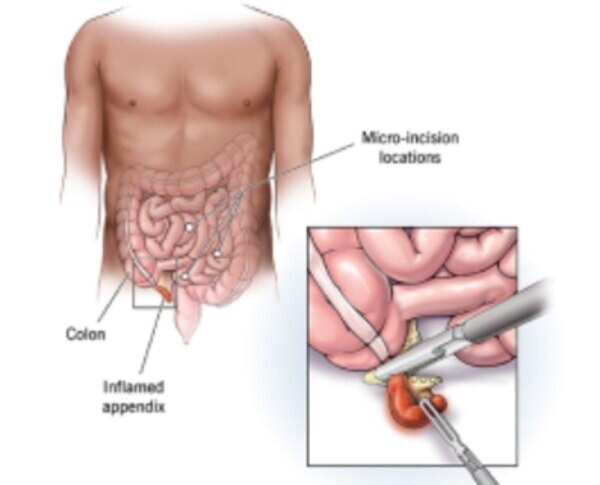
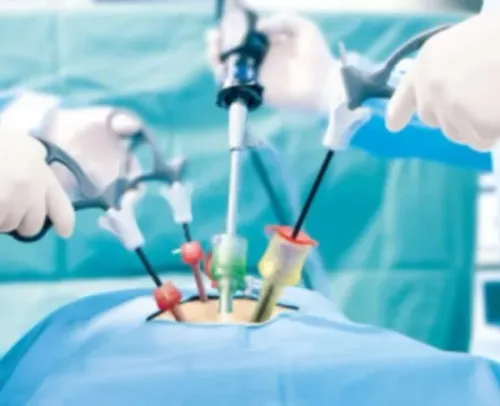
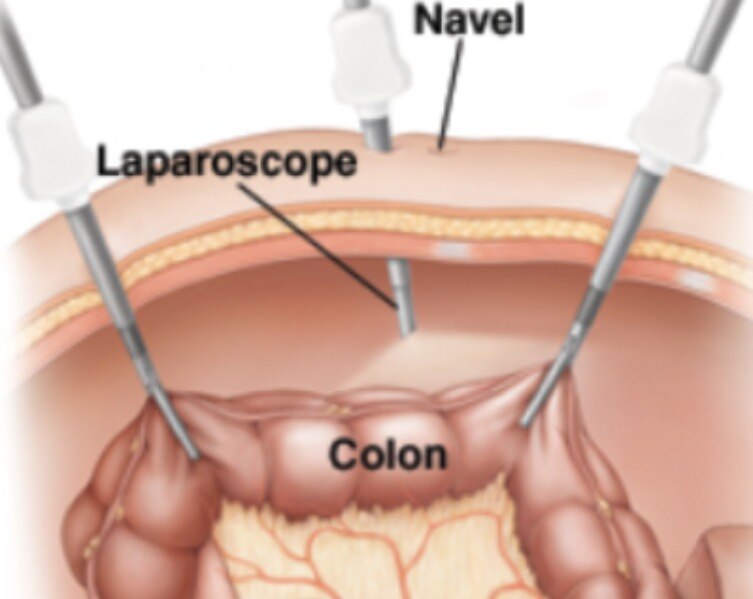
Laparoscopic colon surgery uses a camera and narrow instruments passed through small abdominal ports rather than one long incision. Carbon dioxide gently inflates the abdomen, creating working space. The surgeon frees the diseased colon, divides its blood supply, removes the affected segment and joins the healthy ends, or creates a stoma when that is safer.
The operation follows a controlled sequence:
- General anaesthesia and careful positioning come first.
- The camera provides magnified views while instruments work through the ports.
- The bowel segment is removed through a small enlarged incision.
- The surgeon checks the join, bleeding and surrounding organs before closing the wounds.
For cancer, smaller cuts do not replace sound cancer surgery. The operation still needs adequate lymph-node retrieval, clear margins and an appropriate treatment plan.
| Laparoscopic colectomy | Open colectomy |
|---|---|
| Smaller incisions and usually less early wound pain | One larger incision and often more early wound pain |
| Earlier bowel activity and shorter admission for suitable patients | Slower abdominal recovery, with access that can help in complex cases |
| Conversion to open surgery remains possible if safety or cancer clearance requires it | Avoids conversion because the operation starts through the larger incision |
These are population-level advantages, not guarantees. Longer operating-room time, bowel leaks, infection or other complications can still occur. Severe heart or lung disease, extensive previous surgery, bulky disease or an emergency obstruction can make open surgery safer.
For anyone searching for laparoscopic colon surgery for benefits in thane, compare the expected recovery with the surgeon’s experience and the hospital’s ability to convert promptly when needed.
Laparoscopic, robotic or open: which approach fits the operation?
Laparoscopic, robotic and open surgery reach the same goal—removing diseased bowel and reconnecting it or creating a stoma—but they differ in access, instruments and recovery demands. Patients searching for minimally invasive colon surgery advantages in Thane should compare the operation’s safety and cancer-control plan, not incision size alone.
| Approach | What it involves | Main trade-off |
|---|---|---|
| Laparoscopic | Several small ports, a camera and long instruments; the specimen leaves through a widened incision | Usually less early pain and fewer wound problems, but positioning and carbon dioxide pressure can challenge some patients |
| Robotic | Robotic instruments controlled by the surgeon from a console, through small ports | Greater instrument movement in confined spaces, with added equipment and operating-room time |
| Open | One larger abdominal incision with direct access to the bowel | More pain and slower wound recovery, but wide, rapid access during complex or unstable cases |
For trained teams, laparoscopic colectomy has shown comparable long-term survival and disease-free survival to open surgery for colon cancer. It is not “scarless,” and it does not prevent a medically necessary temporary or permanent stoma.
Open surgery may be safer with bowel perforation, severe obstruction, uncontrolled bleeding, very bulky disease, extensive adhesions from earlier operations, or heart and lung disease that makes carbon dioxide insufflation or steep positioning unsafe.
A laparoscopic operation can also be converted to open surgery when bleeding, unclear anatomy or cancer spread makes continuing minimally invasive surgery riskier. Conversion is a safety decision, not automatically a failed operation.
Suitability depends on the diagnosis, anatomy and medical history
Patients with a planned, non-emergency colon problem, manageable disease size, and enough heart and lung reserve may be suitable for laparoscopic treatment. The decision depends on the diagnosis, tumour location and stage, inflammation, previous operations, body anatomy, and your ability to tolerate carbon dioxide pressure and the required operating position.
A temporary or permanent stoma can still be necessary.
| Diagnosis | When laparoscopy may fit | Findings that alter the plan |
|---|---|---|
| Colon cancer | Localised disease with an achievable bowel resection | Bulky or locally advanced tumour, involved organs, unclear anatomy, or a need for wider removal |
| Diverticulitis | Elective surgery after inflammation has settled | Abscess, perforation, severe inflammation, or dense adhesions |
| Inflammatory bowel disease | Stable disease suitable for planned resection | Extensive inflammation, multiple strictures, malnutrition, or steroid-related risk |
| Large polyp | Lesion removable with an adequate bowel margin | Location or size requiring a larger resection, or suspected invasive cancer |
| Obstruction or emergency | Selected stable patients after urgent assessment | Perforation, contamination, shock, or severe bowel swelling may favour open surgery |
Extra caution applies with severe heart or lung disease, inability to tolerate the position, and extensive previous abdominal surgery. Dense adhesions, bleeding, unsafe anatomy, inadequate progress, or bulky disease can require conversion to an open operation. That is a safety decision, not proof that laparoscopy was wrongly chosen.
Rectal cancer also requires careful staging, tumour-distance assessment, clear margins and appropriate total mesorectal excision; chemotherapy or radiotherapy can shape the plan more than incision size. Consent should cover both approaches and the possible need for a stoma.
The practical recovery, preparation and risks you need to weigh
Before discharge, you should be eating and drinking, passing urine, walking safely and showing returning bowel activity. Earlier bowel function is one of the practical laparoscopic colorectal surgery benefits, but discharge still depends on pain control and the absence of complications.
Preparation often includes blood tests, medication review, bowel preparation when prescribed, fasting instructions and a plan for blood-thinning medicines. Ask whether the team follows an enhanced recovery pathway with shorter fasting, opioid-sparing pain relief, early walking and early oral intake.
| Approach | Recovery trade-off | What to discuss |
|---|---|---|
| Laparoscopic | Smaller wounds, less wound pain and often earlier eating and bowel activity | Conversion to open surgery, expected stay and activity limits |
| Open | Larger incision, slower mobility and greater wound-care demands | Why it is safer for your anatomy, tumour or inflammation |
At home, expect tiredness and gradually improving discomfort. Avoid lifting and strenuous activity until your surgeon gives a limit; keep wounds clean, take prescribed medicines, walk regularly and attend follow-up. Ask when you can drive, work, exercise and resume normal food.
Discuss these complications before consenting:
- Anastomotic leak, bleeding, wound infection, ileus and urinary problems.
- Blood clots, pneumonia, incisional hernia and the chance of conversion to open surgery.
- The possibility of a temporary or permanent stoma, particularly with rectal surgery.
- For cancer, clear margins and adequate lymph-node removal matter more than incision size.
Seek urgent advice for fever, worsening abdominal pain, repeated vomiting, a swollen abdomen, breathlessness, heavy bleeding or failure to pass urine or stool. Ask how emergencies are handled after discharge and who to contact.
How to compare colorectal surgery care in Thane before consent
Consent is easier to judge when you compare the whole care pathway, not the word “laparoscopic.” Treat claims about laparoscopic colon surgery for benefits in Thane as a starting point, not a guarantee.
| Area | What to ask before consent | Why it matters |
|---|---|---|
| Surgeon | How many operations like yours are performed, and what are the surgeon’s conversion, leak and readmission rates? | Experience with your diagnosis and anatomy matters more than a generic laparoscopic success claim. |
| Hospital | Are intensive care, emergency imaging, interventional radiology and blood products available at all hours? | A complication can require urgent drainage, surgery or organ support. |
| Follow-up | Who answers problems after discharge, when are reviews arranged, and where do you go at night? | Fever, worsening pain, vomiting or a new stoma problem needs a clear response plan. |
Ask whether the enhanced recovery pathway includes carbohydrate guidance, opioid-sparing pain relief, early walking and timely oral intake. These measures help explain a short stay alongside the operation itself; discharge speed alone does not prove quality.
For cancer, request confirmation that the plan covers lymph-node retrieval, clear margins and any required chemotherapy or radiotherapy. Rectal surgery needs particular discussion about total mesorectal excision and stoma risk. At Dr. Suradkar Laparoscopy Centre 08048032179, use the same questions about surgeon-specific results, hospital backup and after-hours contact that you would use anywhere else.
That is how you assess laparoscopic colorectal surgery benefits without treating them as promises.
Related service
Laparoscopic Colon Surgery Laparoscopic Colon Surgery is an advanced minimally invasive procedure used to treat conditions such as colon cancer, diverticulitis, inflammatory... View service → |
Frequently asked questions
How does laparoscopic colon surgery work?
The surgeon uses a camera and narrow instruments through small abdominal ports, removes the affected colon segment and joins the healthy ends or creates a stoma when that is safer.
Is laparoscopic, robotic or open colon surgery better?
None is best for every operation. The suitable approach depends on the diagnosis, tumour or disease location, anatomy, previous abdominal surgery and medical history.
What should you expect during recovery from laparoscopic colon surgery?
Expect bowel preparation before surgery, gradual return to food, walking soon after the operation, temporary activity limits and follow-up for complications or bowel changes.
How can you compare colorectal surgery care in Thane?
Ask about the proposed operation, the surgeon’s experience, possible conversion to open surgery, hospital resources, complication management, stoma support and follow-up arrangements.
Keywords