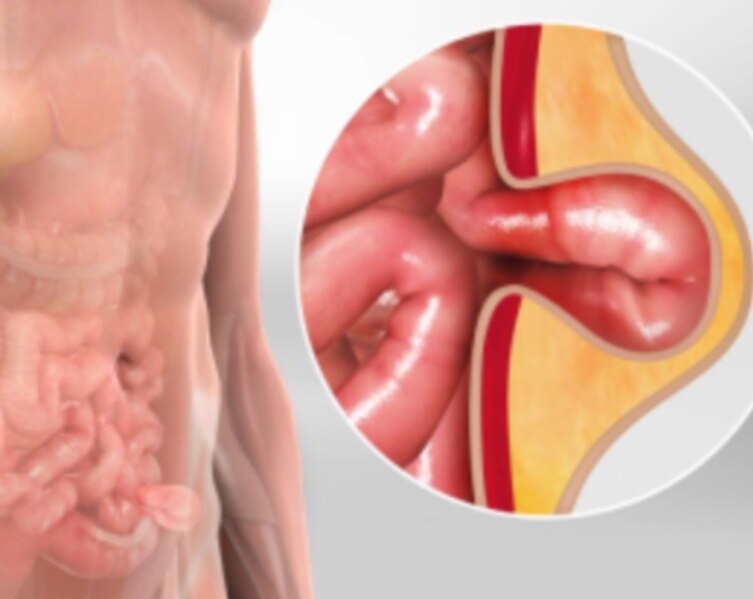
The right hernia operation depends on more than whether a surgeon uses a camera. Your hernia’s location, size, recurrence history, symptoms, previous operations, mesh position and health risks determine whether TEP, TAPP, robotic, open or non-operative management is the safer fit.
Key takeaways
- Location, size, reducibility, symptoms and recurrence guide repair choice.
- TEP avoids entering the abdomen; TAPP enters it to access the repair space.
- Recurrent, large or complex hernias need a plan based on prior surgery.
- Ask why a technique and mesh type suit your specific examination findings.
What findings determine which hernia repair is suitable?
Which hernia repair is suitable depends on the hernia’s location, side, size, reducibility, symptoms and recurrence status, not on the scan alone. During an inguinal hernia assessment, the surgeon examines you standing and lying down, asks you to cough or strain, and checks whether the bulge returns into the abdomen with gentle pressure.
The usual diagnostic tools answer different questions:
| Finding or test | What it establishes | Effect on the decision |
|---|---|---|
| Clinical examination | Location, side, reducibility and groin findings | Often enough for a typical palpable inguinal hernia |
| Ultrasound | An occult hernia or an uncertain lump | Clarifies an equivocal examination |
| MRI | Persistent groin pain after negative or inconclusive assessment | Looks for an occult hernia or another cause of pain |
| Previous operation records | Existing mesh, scars and the failed anatomical plane | Helps avoid repeating repair through scarred tissue |
The surgeon also reviews bowel symptoms, activity limitations, previous abdominal operations, mesh, medical conditions and anaesthetic risk. A painful, enlarging or difficult-to-reduce hernia usually supports planned repair; vomiting, abdominal distension, severe pain or a trapped, tender lump requires urgent assessment for obstruction or strangulation.
The consultation should establish:
- whether the hernia is primary or recurrent
- whether one or both groins need treatment
- whether open, TEP, TAPP or another approach fits the anatomy
- which mesh plane is safest and what the fallback plan is if findings differ during surgery
How do TEP, TAPP and robotic repair differ?
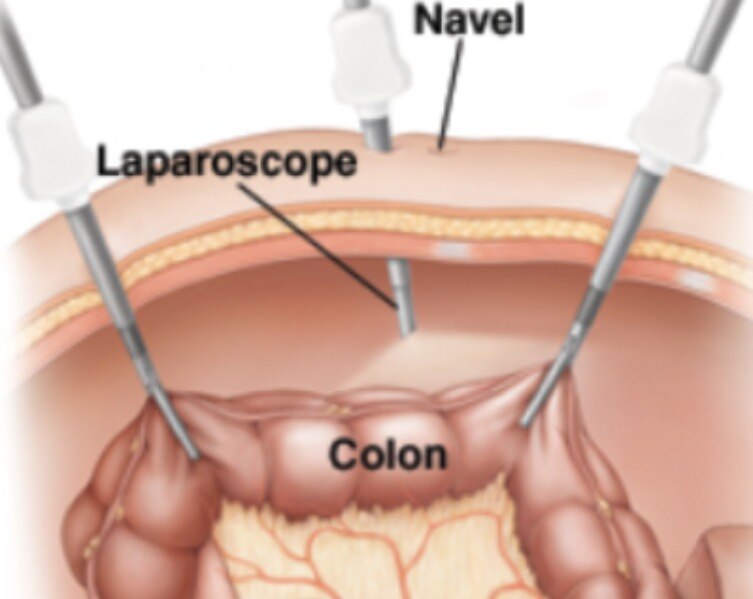
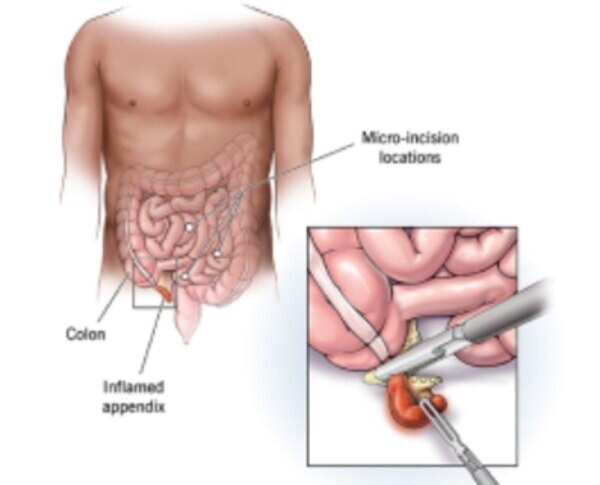
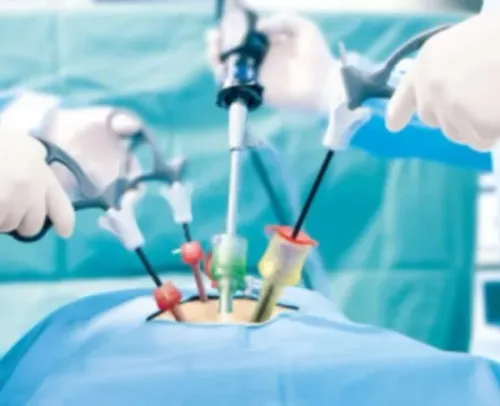
TEP and TAPP put mesh in the same preperitoneal plane, but they reach it differently. The surgeon weighs anatomy, previous operations, hernia complexity and personal experience rather than treating one approach as universally superior.
| Option | What it means | When it applies |
|---|---|---|
| TEP hernia repair | Reaches the mesh plane without entering the abdominal cavity | A good choice for many primary groin hernias when the extraperitoneal space is accessible |
| TAPP hernia repair | Enters the abdominal cavity, opens the peritoneum and places mesh behind it | Useful when TEP access is difficult, anatomy needs inspection, or the surgeon prefers this route |
| Robotic hernia repair | Uses robotic instruments, usually for a robotic TAPP repair | Considered for difficult dissection, bilateral or complex cases when available; it does not automatically improve outcomes and adds equipment, time and cost |
| Other laparoscopic techniques | Variations such as extended-view extraperitoneal repair | Selected anatomy, large defects or specialist expertise may justify them |
Prior lower-abdominal surgery can scar the TEP working space, making TAPP more practical. A recurrent hernia usually needs a different plane from the failed repair: TEP or TAPP after an anterior open repair, and an anterior repair after a previous posterior laparoscopic repair.
A surgeon may choose open repair instead when the hernia is unusually large, incarcerated, scrotal or difficult to access safely. Ask which mesh plane is proposed, why it fits your anatomy, and what the fallback plan is if scar tissue or unexpected findings change the operation.
How do hernia location and recurrence change the operation?
Location and recurrence determine which tissue plane the surgeon must reach, how widely mesh must cover, and whether scarred anatomy makes a straightforward repair unsafe.
- Inguinal hernia repair addresses the groin canal and its weak points. A one-sided primary hernia may suit open anterior or posterior laparoscopic repair, while bilateral hernia repair lets one posterior operation cover both groins. A scrotal hernia may need extended dissection to separate and reduce the long hernia sac safely.
- Femoral hernia repair must cover the femoral canal, which lies below the inguinal ligament. This matters especially in women, where a limited anterior examination can miss a femoral defect; TEP or TAPP allows inspection and mesh coverage of that region.
- Umbilical and epigastric hernias involve the midline abdominal wall. A small primary defect is not planned like a large defect: size, muscle quality and symptoms determine whether local repair or wider mesh reinforcement is suitable.
- Incisional hernia repair must account for the previous incision, existing mesh, defect position, skin condition, abdominal-wall function and loss of domain. Large or lateral defects may require retromuscular reconstruction or component separation rather than simple hole coverage.
- A recurrent hernia usually needs a different plane from the failed repair. Recurrence after open anterior surgery often suits TEP or TAPP; recurrence after posterior laparoscopic repair may require an anterior approach by an experienced surgeon. Re-entering scarred tissue or old mesh can increase injury and recurrence risks.
When is open repair, watchful waiting or a tailored mesh plan better?
A decision about open versus laparoscopic hernia repair depends on anatomy, symptoms, previous operations and anaesthetic fitness—not on the technique’s popularity.
| Option | When it fits | Main trade-off |
|---|---|---|
| Open mesh repair | One-sided primary groin hernia, local anaesthesia need, or a patient unsuitable for general anaesthesia | Smaller operative field, but more risk of wound discomfort than a posterior approach |
| Tissue repair | Selected small defects with strong tissue and a surgeon skilled in Shouldice repair | Avoids mesh, but recurrence is higher if patient selection or technique is poor |
| Watchful waiting hernia | A reducible, minimally symptomatic inguinal hernia in a man who accepts review and emergency precautions | Avoids immediate surgery, but pain or enlargement can later require repair |
| Delayed surgery | A repairable hernia when smoking, diabetes, weight, cough, constipation or nutrition needs improvement first | Lowers avoidable complications, but requires monitoring for incarceration |
Mesh lowers recurrence for most adult groin repairs, yet hernia mesh risks include infection, fluid collection, nerve-related pain and persistent discomfort. Ask which mesh plane, fixation method and fallback plan are proposed; a tailored plan matters more than choosing “mesh” in isolation.
Pain, obstruction, irreducibility, a femoral hernia, or a symptomatic hernia in a woman usually favours prompt surgical assessment rather than observation. Hernia surgery risk factors such as steroid use, lung disease, blood-thinner treatment and prior abdominal operations affect timing and anaesthetic planning, but they do not automatically rule out laparoscopy.
What should you ask at a hernia repair consultation in Thane West?
Bring your scan reports, discharge summaries, medication list and details of every abdominal operation. Record when the lump appeared, whether it reduces when you lie down, what activities trigger pain, and whether you have vomiting, constipation or difficulty passing stool.
Ask these questions during a hernia repair consultation in Thane West:
- What is the exact hernia type, side and size? Is it primary, bilateral or recurrent?
- Do I need ultrasound or MRI, or does the examination provide enough evidence?
- Which laparoscopic hernia repair option fits your situation, and why?
- Where will you place the mesh, and what will you do if scar tissue or an unexpected defect changes the plan?
- Should I improve smoking, diabetes, weight, nutrition, cough or constipation before elective surgery?
- What restrictions, pain-control plan and warning symptoms apply after the operation?
| Choice to discuss | Question to ask | Decision detail to record |
|---|---|---|
| TEP | Can you reach the preperitoneal plane safely without entering the abdomen? | Effect of previous surgery and anatomy |
| TAPP | What makes entering the abdominal cavity worthwhile in my case? | Bowel, scar and peritoneal considerations |
| Robotic repair | Does robotic access add a practical benefit for this defect? | Availability, operative time and surgeon experience |
| Open or tissue repair | Why is this preferable to laparoscopy or mesh? | Recurrence risk and tissue suitability |
For a recurrent hernia, ask whether the repair will use a different anatomical plane from the failed operation. Take these records to Dr. Suradkar Laparoscopy Centre 08048032179, or any hernia repair surgeon Thane patients can consult, so the plan reflects your actual history rather than the scan alone.
Related service
Laparoscopic Hernia Repair Laparoscopic Hernia Repair is a minimally invasive surgical procedure performed by Dr. Shekhar Suradkar at Highway Hospital. View service → |
Frequently asked questions
Which findings determine which hernia repair is suitable?
The surgeon considers the hernia’s location, side, size, reducibility, symptoms and recurrence status. Examination while standing and lying down, including coughing or straining, helps confirm how the hernia behaves; scan findings support but do not replace this assessment.
How do TEP, TAPP and robotic hernia repair differ?
TEP repairs the hernia in the preperitoneal space without entering the abdominal cavity. TAPP enters the abdominal cavity before reaching that space. Robotic repair uses articulated instruments and a three-dimensional view; the surgeon still selects the repair approach based on the hernia and patient factors.
How do hernia location and recurrence change the operation?
Inguinal, femoral, umbilical and incisional hernias require different access routes and mesh positioning. A recurrent hernia also requires review of the previous incision, repair plane and mesh, because surgeons often choose a different tissue plane from the earlier operation.
When is open repair, watchful waiting or a tailored mesh plan better?
Open repair can suit selected hernias, patients who need local or regional anaesthesia, or cases where minimally invasive access is unsuitable. Watchful waiting can be discussed for a reducible inguinal hernia with minimal symptoms. A tailored mesh plan is important when the defect is large, recurrent, bilateral or anatomically complex.
What should you ask at a hernia repair consultation in Thane West?
Ask which hernia you have, whether it is reducible, why the proposed technique fits your anatomy, where the mesh will sit, what complications and recurrence risks apply, how long recovery may take, and what happens if the hernia becomes painful or cannot be pushed back.
Keywords