Abdominal pain is one of the most common reasons people visit an emergency department. While many stomach aches improve with rest or medication, pain caused by appendicitis requires prompt medical attention. Delaying treatment can increase the risk of complications, including a ruptured appendix and widespread infection within the abdomen.
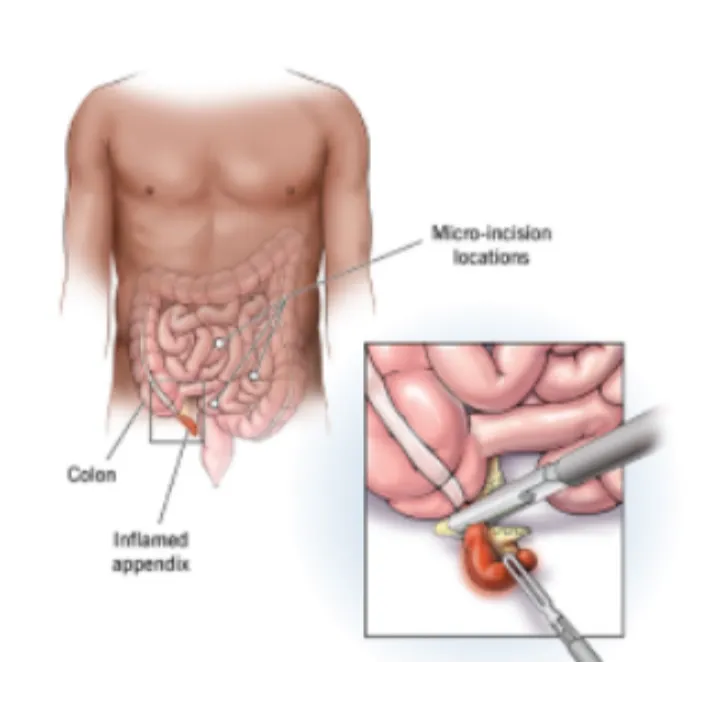
A Laparoscopic Appendectomy is now considered a preferred surgical option for many patients because it removes the inflamed appendix through small incisions, helping support a faster recovery compared with traditional open surgery in suitable cases.
Understanding the Role of the Appendix
The appendix is a small, finger-shaped pouch attached to the large intestine. Although its exact function is not fully understood, it is not essential for normal digestion.
Problems arise when the appendix becomes blocked. This blockage can lead to inflammation, bacterial growth, and infection, resulting in appendicitis. Without timely treatment, the appendix may burst, creating a medical emergency.
Recognizing the symptoms early is one of the best ways to avoid serious complications.
Symptoms That Should Never Be Ignored
Appendicitis often begins with discomfort around the navel before the pain shifts to the lower right side of the abdomen.
Other symptoms may include:
- Sudden abdominal pain that gradually worsens
- Pain while walking or coughing
- Loss of appetite
- Nausea or vomiting
- Mild fever
- Abdominal bloating
- Constipation or diarrhea in some patients
Not every patient experiences identical symptoms. Children, older adults, and pregnant women may have less typical presentations, making medical evaluation even more important.
Why Prompt Diagnosis Matters
Ignoring persistent abdominal pain can allow inflammation to progress rapidly. Once the appendix ruptures, infection may spread throughout the abdominal cavity, increasing both surgical complexity and recovery time.
Early diagnosis offers several advantages:
- Lower risk of rupture
- Reduced chance of severe infection
- Better surgical planning
- Faster postoperative recovery
- Shorter hospital stay in many cases
Seeking evaluation as soon as symptoms develop is far safer than waiting for the pain to improve on its own.
How Doctors Confirm Appendicitis
A diagnosis is based on a combination of clinical findings and diagnostic tests.
Your surgeon may recommend:
- Physical examination
- Blood tests to identify infection
- Urine analysis to rule out urinary conditions
- Ultrasound in selected patients
- CT scan when additional confirmation is required
These investigations help distinguish appendicitis from other causes of abdominal pain that may require different treatment.
Why Laparoscopic Surgery Is Frequently Recommended
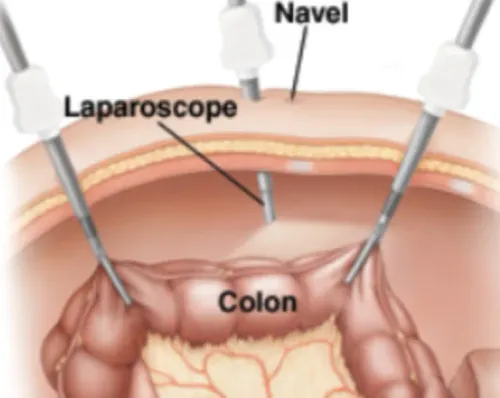
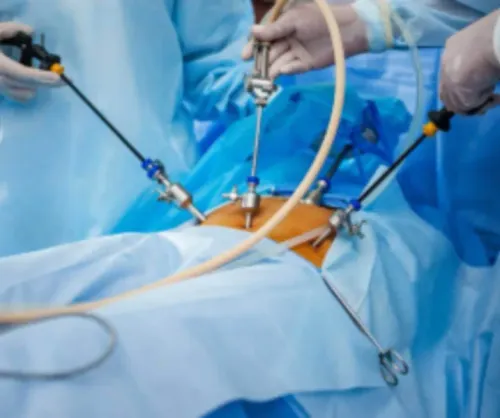
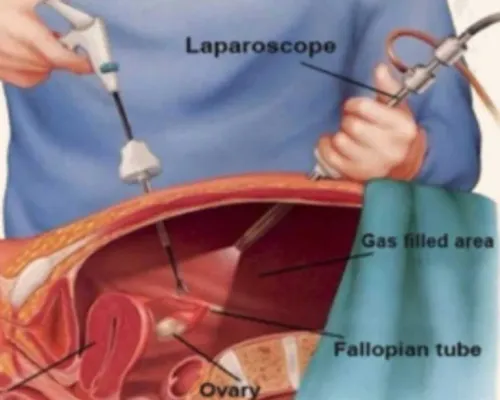
Laparoscopic Appendectomy is performed through a few small incisions using a high-definition camera and specialized surgical instruments.
Compared with conventional open surgery, this minimally invasive approach may provide several advantages for appropriately selected patients, including:
- Smaller incisions
- Reduced postoperative discomfort
- Lower risk of wound-related complications
- Less visible scarring
- Earlier return to daily activities
- Improved visualization during surgery
- Faster recovery for many patients
The most suitable surgical approach depends on the patient's condition and the severity of inflammation.
Recovery After Laparoscopic Appendectomy
Recovery is usually progressive, with most patients encouraged to begin gentle movement shortly after surgery.
During the recovery period, patients are commonly advised to:
- Walk short distances every day
- Drink adequate fluids
- Resume eating gradually as tolerated
- Avoid lifting heavy objects for a few weeks
- Keep incision sites clean
- Complete prescribed medications
- Attend follow-up appointments
Many individuals are able to return to work and regular household activities sooner than they expect, although strenuous exercise should only resume after medical approval.
Situations That Require Immediate Medical Attention
Even after successful surgery, patients should remain alert to symptoms that may require further evaluation.
Contact your healthcare provider if you experience:
- Persistent fever
- Increasing abdominal pain
- Redness or swelling around the incision
- Continuous vomiting
- Significant wound discharge
- Difficulty eating or drinking
- Persistent abdominal swelling
Prompt evaluation allows complications to be managed before they become more serious.
Can Appendicitis Be Prevented?
There is no guaranteed way to prevent appendicitis because its exact cause is not always known. However, maintaining overall digestive health through a balanced diet rich in fruits, vegetables, and whole grains may support healthy bowel function.
Most importantly, never ignore persistent abdominal pain. Early diagnosis remains the most effective way to reduce the risk of complications associated with appendicitis.
Finding Experienced Surgical Care
Abdominal pain should always be evaluated carefully because many digestive conditions share similar symptoms. Accurate diagnosis helps determine whether surgery is necessary and ensures treatment is delivered at the right time.
Patients across Thane and nearby parts of Mumbai often prefer minimally invasive surgical care that combines precision with quicker recovery. Dr. Suradkar Laparoscopy Centre offers comprehensive evaluation for appendicitis and other gastrointestinal conditions, using advanced laparoscopic techniques whenever clinically appropriate. Patients who wish to understand their treatment options in greater detail can also refer to the centre's official website before consulting an experienced general and laparoscopic surgeon.
Keywords