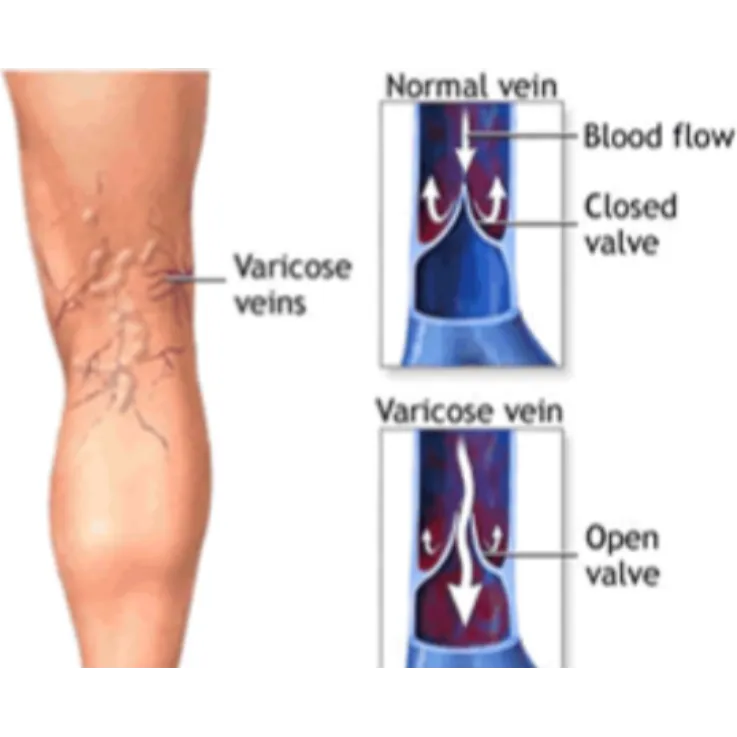
Varicose veins are more than a cosmetic concern. They can cause persistent discomfort, swelling, aching, heaviness in the legs, and even skin changes if left untreated. For many people, standing for long hours, aging, pregnancy, obesity, or a family history of vein disorders can increase the likelihood of developing this condition. As symptoms worsen, daily activities become more difficult, making timely treatment important.
One of the advanced surgical options available today is Laparoscopic Varicose Vein Ligation, a minimally invasive procedure designed to address damaged veins while helping patients return to normal life with less discomfort than many traditional surgical methods.
What Are Varicose Veins?
Varicose veins develop when the valves inside the veins become weak or damaged. These valves normally help blood flow back toward the heart. When they stop working properly, blood collects inside the veins, causing them to enlarge, twist, and become visible beneath the skin.
Common symptoms include:
- Enlarged blue or purple veins
- Leg pain after standing for long periods
- Swelling around the ankles
- A feeling of heaviness in the legs
- Muscle cramps, particularly at night
- Itching around affected veins
- Skin discoloration in advanced cases
Ignoring these symptoms may increase the risk of complications such as ulcers, bleeding, or blood clots.
When Should Treatment Be Considered?
Not everyone with varicose veins requires surgery immediately. Mild cases may improve with lifestyle changes, compression stockings, regular walking, and weight management. However, medical evaluation becomes important when symptoms interfere with everyday life.
Treatment is often recommended if you experience:
- Persistent pain despite conservative care
- Swollen legs that worsen throughout the day
- Skin changes near the ankles
- Recurring inflammation of the veins
- Bleeding from varicose veins
- Non-healing ulcers
- Progressive enlargement of affected veins
Early diagnosis allows surgeons to recommend the most suitable treatment before complications develop.
What Is Laparoscopic Varicose Vein Ligation?
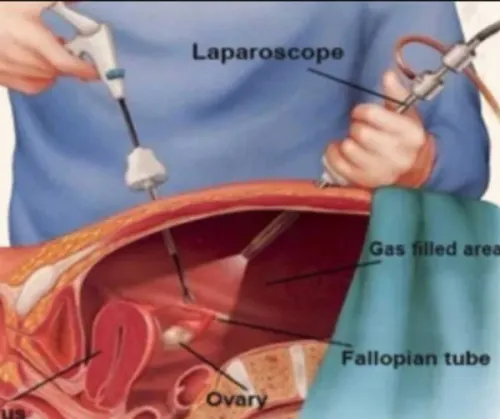
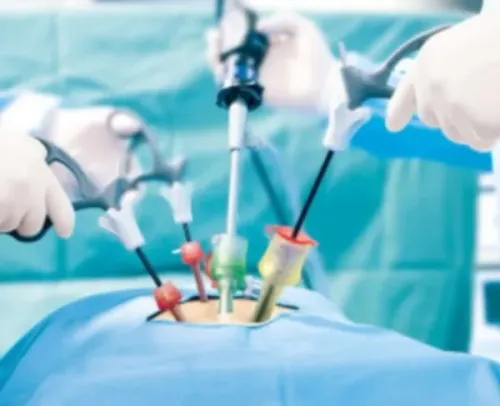
Laparoscopic Varicose Vein Ligation is a minimally invasive surgical technique used to interrupt abnormal blood flow through damaged veins. Instead of making large incisions, surgeons perform the procedure using small cuts through which specialized instruments and a tiny camera are inserted.
The camera provides a magnified view of the affected blood vessels, allowing the surgeon to precisely identify and treat problematic veins while preserving healthy surrounding tissues.
This approach has become increasingly popular because it minimizes surgical trauma and supports a smoother recovery for many patients.
How the Procedure Is Performed
Although each patient receives an individualized treatment plan, the general process includes several steps.
First, the surgeon evaluates the affected veins using clinical examination and imaging studies such as Doppler ultrasound. These tests identify the exact location of valve failure and abnormal blood flow.
During surgery:
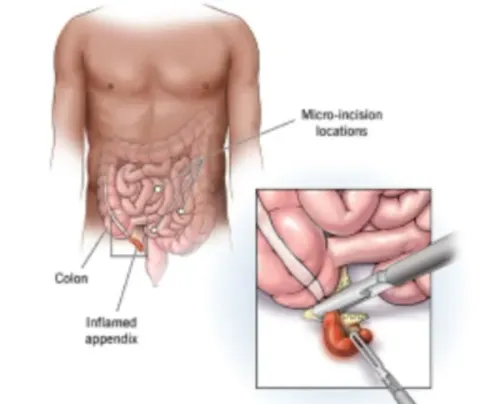
- Small incisions are created near the treatment area.
- A laparoscopic camera provides a clear internal view.
- Specialized instruments are used to ligate or close the affected veins.
- Blood naturally reroutes through healthy veins.
- The tiny incisions are closed with minimal tissue disruption.
Because the procedure is minimally invasive, blood loss and postoperative discomfort are generally reduced compared with conventional open surgery.
Benefits of a Minimally Invasive Approach
Many patients choose laparoscopic procedures because they offer practical advantages during recovery.
Potential benefits include:
- Smaller surgical incisions
- Less postoperative pain
- Reduced scarring
- Lower risk of wound-related complications
- Shorter hospital stay in suitable cases
- Faster return to everyday activities
- Improved cosmetic appearance
- Better patient comfort during recovery
Individual recovery varies depending on overall health and the severity of the vein condition.
Recovery After Surgery
Recovery is usually gradual and guided by the treating surgeon. Patients are often encouraged to begin gentle walking soon after surgery because movement promotes healthy blood circulation.
Recovery recommendations commonly include:
- Wearing compression garments if advised
- Keeping the legs elevated during rest
- Avoiding prolonged standing initially
- Staying physically active with light walking
- Following prescribed medications
- Attending scheduled follow-up visits
Most people can resume routine activities within a relatively short period, although strenuous exercise should only begin after medical clearance.
Can Varicose Veins Return?
Treatment addresses existing damaged veins, but it cannot completely prevent new veins from becoming affected later in life. Genetics, prolonged standing, obesity, pregnancy, and inactive lifestyles may contribute to future vein problems.
Maintaining healthy habits can help reduce recurrence.
Helpful measures include:
- Regular physical activity
- Healthy weight management
- Avoiding sitting continuously for extended periods
- Elevating the legs whenever possible
- Wearing compression stockings if recommended
- Seeking medical evaluation when new symptoms appear
Choosing the Right Surgical Care
Successful treatment depends not only on the procedure itself but also on accurate diagnosis and careful surgical planning. Patients should seek evaluation from an experienced general and laparoscopic surgeon who can determine whether minimally invasive vein surgery is appropriate for their condition.
People in Thane and nearby areas often look for advanced surgical options that combine effective treatment with quicker recovery. Dr. Suradkar Laparoscopy Centre offers comprehensive assessment for various laparoscopic surgical conditions, helping patients understand their treatment options based on individual clinical findings. Additional information about available procedures and patient care can also be found through the centre's official website, making it easier to learn about minimally invasive surgical solutions before scheduling a consultation.
Keywords