Many surgical conditions begin with symptoms that seem manageable. Mild abdominal pain, a small swelling, occasional bleeding during bowel movements, or recurring digestive discomfort are often ignored until they begin interfering with daily life. While not every health concern requires surgery, recognizing when it is time to consult a specialist can prevent complications and help patients receive treatment at the right stage.
An experienced laparoscopic surgeon evaluates the underlying cause of your symptoms and recommends the most appropriate treatment, whether that involves medication, lifestyle changes, or minimally invasive surgery. Understanding the signs that indicate the need for a consultation allows patients to make informed healthcare decisions instead of waiting for symptoms to become emergencies.
Persistent Symptoms Should Never Be Ignored
Temporary discomfort may improve with rest or medication, but symptoms that continue for weeks deserve professional evaluation.
You should consider consulting a surgeon if you experience:
- Recurrent abdominal pain
- A visible lump in the abdomen or groin
- Persistent rectal bleeding
- Pain during bowel movements
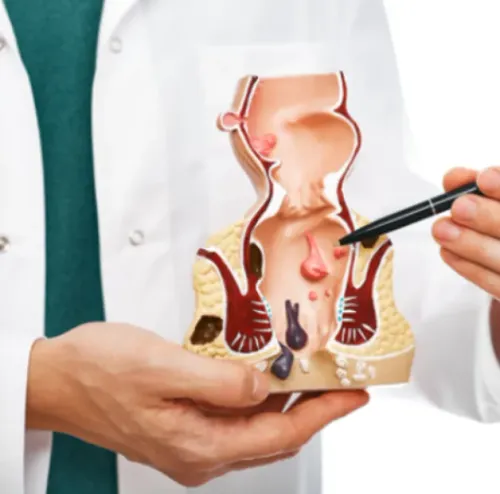
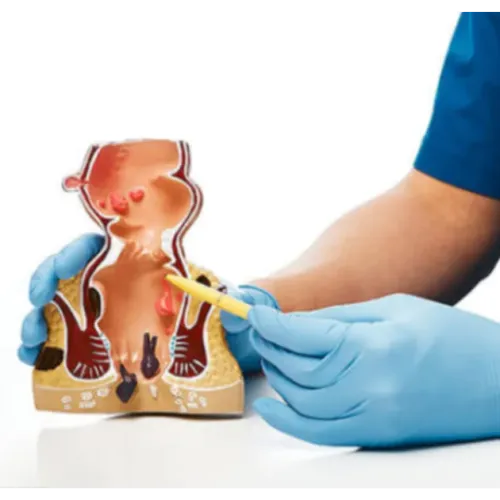
- Repeated swelling around the anal region
- Frequent digestive discomfort after meals
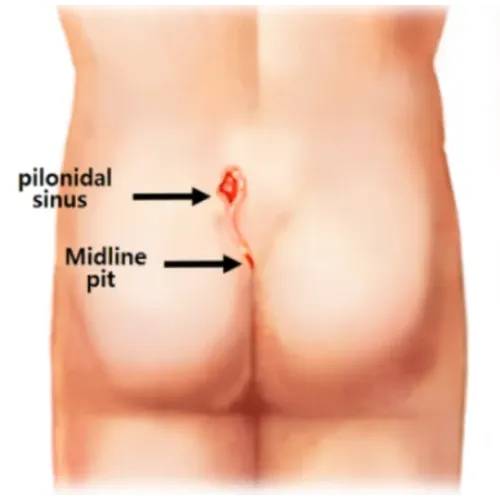
- Recurring infections near the tailbone
- Unexplained abdominal swelling
These symptoms can be associated with conditions such as hernias, gallbladder disease, appendicitis, piles, fissures, fistulas, pilonidal sinus, or colorectal disorders.
When Conservative Treatment Stops Working
Many patients begin with medications, dietary changes, or home remedies. While these approaches are effective for certain conditions, they may not provide lasting relief in every case.
A surgical opinion becomes important when:
- Symptoms repeatedly return
- Pain becomes more frequent
- Daily activities are affected
- Bleeding continues despite treatment
- Swelling gradually increases
- Infections keep recurring
- Quality of life continues to decline
Seeking evaluation early often allows treatment to be planned under controlled conditions instead of during an emergency.
Why Minimally Invasive Surgery Is Often Preferred
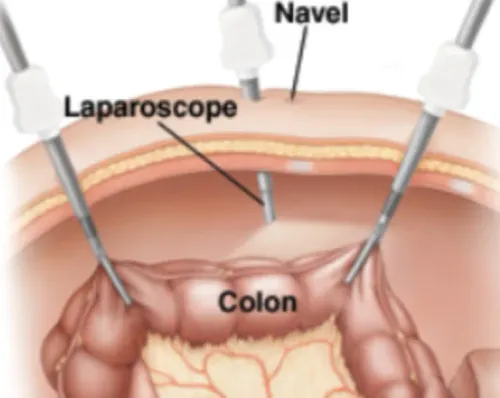
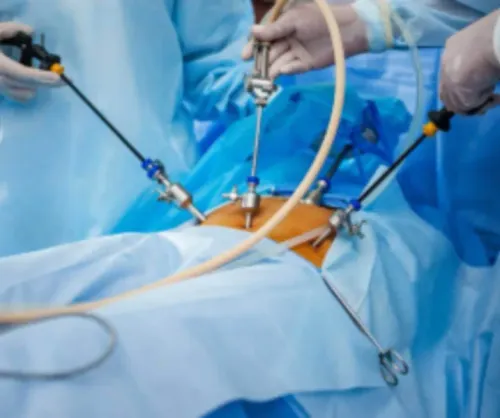
Laparoscopic surgery has transformed the treatment of many general and gastrointestinal conditions. Using specialized instruments and a high-definition camera, surgeons perform procedures through small incisions while maintaining excellent visualization.
For appropriately selected patients, laparoscopic surgery may offer:
- Smaller surgical wounds
- Reduced postoperative discomfort
- Less visible scarring
- Earlier mobility
- Shorter hospital stay in many cases
- Faster return to work and routine activities
- Lower risk of certain wound-related complications
The suitability of laparoscopic surgery depends on the diagnosis, the patient's medical history, and the complexity of the condition.
What Happens During Your First Surgical Consultation?
Many people delay their appointment because they are unsure what to expect. In reality, the first consultation focuses on understanding your symptoms and creating an individualized treatment plan.
During the visit, the surgeon may:
- Review your medical history
- Discuss current symptoms
- Perform a physical examination
- Review previous reports or scans
- Recommend additional investigations if required
- Explain available treatment options
- Answer questions about recovery and expected outcomes
The consultation is designed to help patients understand their condition before any treatment decisions are made.
Qualities to Look for in a Laparoscopic Surgeon
Selecting the right surgeon involves more than finding someone nearby. Patients should consider several important factors before proceeding with treatment.
Look for a surgeon who offers:
- Experience in minimally invasive procedures
- Clear communication during consultations
- Thorough diagnostic evaluation
- Personalized treatment recommendations
- Access to modern surgical facilities
- Comprehensive postoperative follow-up
- Transparent discussion about benefits and potential risks
A patient-centered approach builds confidence throughout the treatment journey.
Preparing for Your Appointment
Arriving prepared helps make the consultation more productive.
Consider bringing:
- Previous medical records
- Imaging reports
- Blood test results
- List of current medications
- Details of previous surgeries
- Written questions about your symptoms
Providing complete information helps the surgeon develop an accurate diagnosis and recommend appropriate treatment.
Questions Worth Asking
Patients should feel comfortable discussing every aspect of their care.
Useful questions include:
- What is causing my symptoms?
- Is surgery necessary?
- Can minimally invasive surgery be performed?
- What are the expected benefits?
- How long will recovery take?
- What lifestyle changes will support recovery?
- What follow-up care will I require?
Open communication allows patients to participate actively in their treatment decisions.
Taking the Next Step Toward Better Health
Waiting for symptoms to become severe often makes treatment more complicated than necessary. Early evaluation provides an opportunity to identify surgical conditions before they progress, allowing patients to receive timely care with a clear understanding of their options.
Patients across Thane, Mumbai, and surrounding areas frequently consult experienced laparoscopic surgeons for conditions affecting the abdomen, digestive system, and colorectal region. Dr. Suradkar Laparoscopy Centre offers comprehensive evaluation for a wide range of general, gastrointestinal, and minimally invasive surgical conditions, recommending treatment based on detailed clinical assessment rather than a one-size-fits-all approach. Patients can also explore the centre's official website to learn more about available procedures and prepare for a well-informed consultation with an experienced surgical team.
Keywords