A fistula is a condition that many people find difficult to discuss, often because of embarrassment or confusion about the symptoms. Unfortunately, delaying medical attention can allow the problem to worsen, leading to repeated infections, persistent discomfort, and a greater impact on everyday life. Understanding the early signs of an anal fistula can help patients seek timely treatment before complications become more serious.
Modern Fistula Treatment focuses on eliminating the abnormal passage while preserving normal bowel function as much as possible. Early diagnosis plays a vital role in choosing the most suitable treatment approach and improving long-term outcomes.
What Is an Anal Fistula?
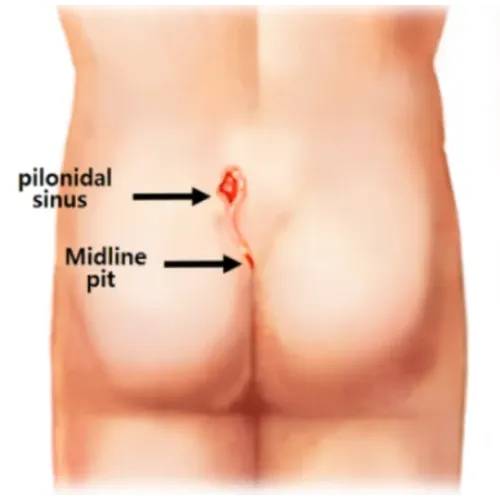
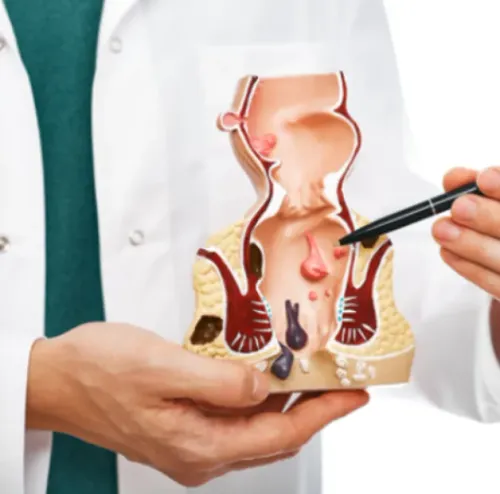
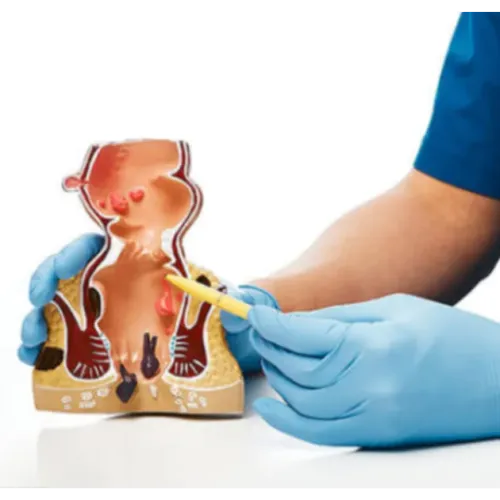
An anal fistula is a small tunnel that forms between the inside of the anal canal and the skin surrounding the anus. It usually develops after an infection in one of the small glands near the anus. When an abscess drains or bursts, the remaining tunnel may persist instead of healing completely.
Although anyone can develop an anal fistula, it is more commonly seen in adults and may occur after untreated infections or certain medical conditions affecting the digestive tract.
Unlike temporary skin infections, a fistula rarely heals without appropriate medical treatment.
Early Symptoms That Should Not Be Ignored
The symptoms of an anal fistula often begin gradually. Some patients mistake them for piles or minor skin irritation, delaying proper diagnosis.
Common warning signs include:
- Persistent pain around the anus
- Swelling near the anal opening
- Recurrent pus discharge
- Blood-stained drainage
- Skin irritation caused by continuous discharge
- Pain during bowel movements
- Foul-smelling fluid from a small opening near the anus
- Repeated episodes of anal abscess
If these symptoms continue despite home remedies or medications, surgical evaluation is recommended.
Why Does a Fistula Develop?
Several factors may contribute to fistula formation. The most common cause is an anal gland infection that progresses into an abscess.
Other possible causes include:
- Previous anal abscess
- Inflammatory bowel diseases such as Crohn's disease
- Injury around the anal region
- Previous colorectal surgery
- Tuberculosis in rare cases
- Radiation therapy affecting the pelvic region
Identifying the underlying cause helps doctors choose the most effective treatment plan.
How Is the Condition Diagnosed?
Diagnosis usually begins with a detailed medical history and physical examination. During the consultation, the surgeon evaluates symptoms, previous infections, and any recurring drainage.
Depending on the complexity of the fistula, additional investigations may include:
- Digital rectal examination
- Anoscopy
- MRI scan for complex fistulas
- Endoanal ultrasound
- Blood tests when infection is suspected
These investigations help identify the exact path of the fistula and determine whether nearby muscles are involved.
Why Early Treatment Matters
Ignoring an anal fistula can result in ongoing infections and repeated abscess formation. Over time, the tract may become more complex, making treatment more challenging.
Early intervention may help reduce the risk of:
- Recurrent painful infections
- Multiple fistula tracts
- Persistent drainage
- Skin irritation
- Chronic inflammation
- Delayed healing
- More extensive surgery in advanced cases
Seeking treatment early often allows for better planning and improved recovery.
Modern Approaches to Fistula Treatment
Treatment depends on the location, complexity, and relationship of the fistula to the surrounding muscles.
Depending on the individual case, surgical management may involve:
- Fistulotomy
- Seton placement
- Advancement flap procedures
- Minimally invasive techniques for selected patients
- Procedures designed to preserve sphincter function whenever possible
The goal is to remove or close the fistula while minimizing the risk of recurrence and protecting bowel control.
Every treatment plan is personalized after careful clinical assessment.
Recovery Following Surgery
Healing varies depending on the complexity of the fistula and the procedure performed. Following postoperative instructions carefully can support a smoother recovery.
Patients are commonly advised to:
- Maintain good hygiene around the surgical area
- Take prescribed medications regularly
- Drink plenty of fluids
- Eat a high-fiber diet
- Prevent constipation
- Attend scheduled follow-up visits
- Avoid strenuous physical activity until permitted
Most patients gradually return to their daily routine as healing progresses.
Can Anal Fistulas Be Prevented?
Not every fistula can be prevented, but early treatment of anal infections significantly reduces the risk of chronic complications.
Healthy habits that support colorectal health include:
- Prompt treatment of anal abscesses
- Maintaining regular bowel habits
- Avoiding prolonged constipation
- Drinking adequate water
- Following medical advice for inflammatory bowel diseases
- Seeking evaluation when unusual discharge or pain develops
Ignoring symptoms rarely leads to spontaneous healing and often prolongs discomfort.
Choosing Experienced Surgical Care
An anal fistula requires careful evaluation because every case is different. The location of the tract, previous infections, and overall health all influence the choice of treatment. Consulting an experienced colorectal and laparoscopic surgeon helps ensure that treatment is based on accurate diagnosis rather than temporary symptom relief.
Patients across Thane and nearby parts of Mumbai often seek specialized care for complex colorectal conditions. Dr. Suradkar Laparoscopy Centre provides detailed assessment and individualized treatment planning for fistulas and other surgical disorders using modern techniques whenever appropriate. Patients can also explore the centre's official website to understand available treatment options and what to expect before their consultation.
Keywords