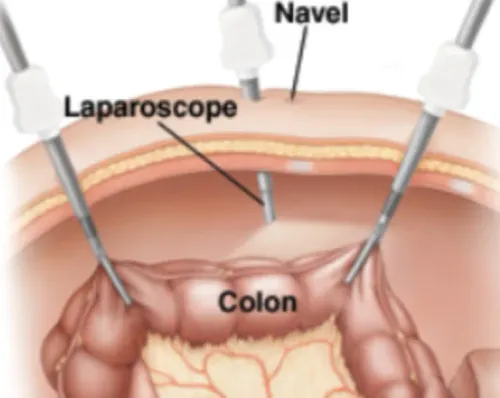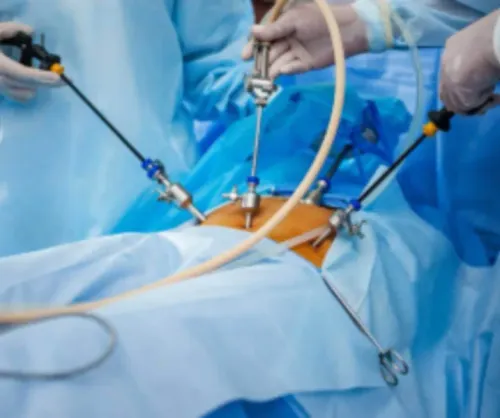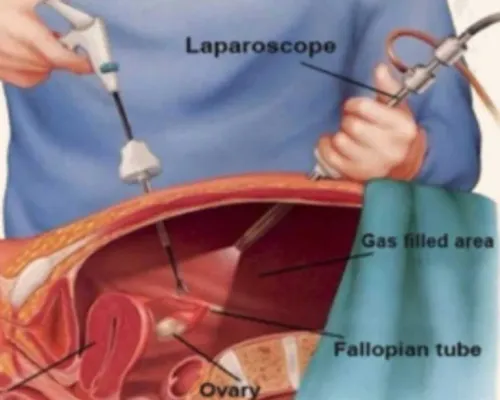
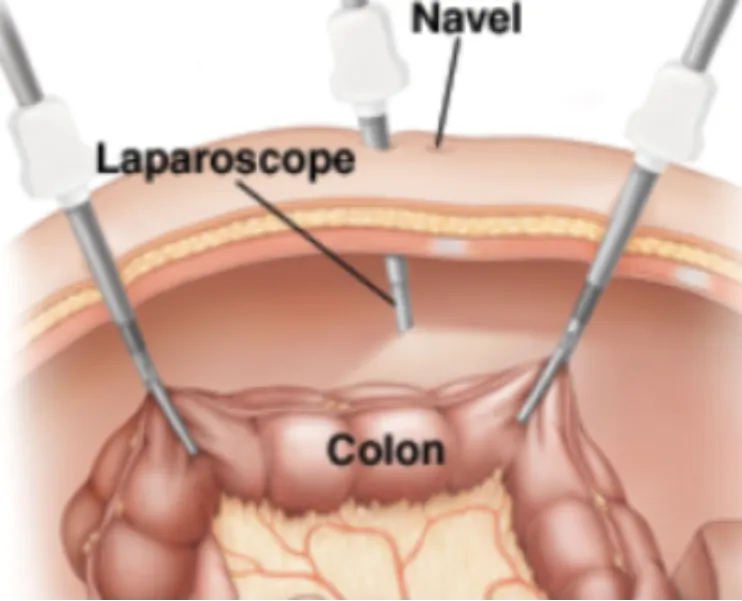
Learning that you may need Laparoscopic Colon Surgery often brings a mix of concern and uncertainty. Whether the procedure is recommended for diverticular disease, colorectal polyps, inflammatory bowel conditions, or certain types of colon cancer, asking the right questions before surgery helps you understand the treatment plan and participate in your care with confidence.
A well-informed patient is better prepared for surgery, recovery, and the lifestyle adjustments that may be needed during the healing process.
Why Is Laparoscopic Colon Surgery Performed?
The colon, also known as the large intestine, plays an important role in absorbing water and forming stool. When disease affects a portion of the colon, surgery may become the most effective treatment.
A laparoscopic approach may be considered for conditions such as:
- Diverticular disease with recurrent complications
- Large colon polyps that cannot be removed during colonoscopy
- Certain colorectal cancers
- Inflammatory bowel disease requiring surgery
- Intestinal strictures
- Selected emergency colorectal conditions
The suitability of laparoscopic surgery depends on the patient's diagnosis, overall health, and the complexity of the disease.
What Should You Ask About Your Diagnosis?
Before discussing the operation itself, it is important to fully understand your condition.
Helpful questions include:
- What is causing my symptoms?
- Which part of the colon is affected?
- Are additional investigations required?
- Is surgery the only treatment option?
- Can the condition worsen if treatment is delayed?
Understanding your diagnosis makes it easier to appreciate why surgery has been recommended.
Questions About the Surgical Procedure
Knowing what happens during surgery helps reduce anxiety and creates realistic expectations.
You may wish to ask:
- How much of the colon will be removed?
- Will the procedure be completed laparoscopically?
- Is there a possibility of converting to open surgery?
- How long is the operation expected to take?
- What type of anesthesia will be used?
Every patient is different, so the answers will depend on the specific medical condition.
Preparing for Surgery
Proper preparation plays an important role in reducing surgical risks and supporting recovery.
Your healthcare team may advise you about:
- Preoperative blood tests
- Colon preparation if required
- Medication adjustments
- Fasting before surgery
- Smoking cessation
- Management of diabetes or high blood pressure
- Arranging assistance during the initial recovery period
Following these instructions carefully helps ensure the safest possible surgical experience.
Understanding Recovery Expectations
Recovery varies depending on the reason for surgery and the extent of the procedure.
Many patients can expect:
- Early walking after surgery
- Gradual return to eating
- Small abdominal incisions
- Progressive improvement in comfort
- Follow-up appointments to monitor healing
Returning to normal activities should always follow the surgeon's recommendations rather than a fixed timeline.
Discussing Possible Risks
Every surgical procedure carries some degree of risk. Having an open discussion with your surgeon allows you to understand these risks in the context of your individual health.
Topics worth discussing include:
- Bleeding
- Infection
- Injury to nearby organs
- Leakage at the surgical join when applicable
- Blood clot prevention
- Recovery time
- Long-term bowel function
A balanced discussion helps patients make informed treatment decisions without unnecessary fear.
Life After Colon Surgery
Most patients gradually return to their regular routine after recovery, although temporary dietary adjustments may be recommended.
Healthy habits that support recovery include:
- Eating nutritious meals
- Drinking adequate fluids
- Walking regularly
- Avoiding heavy lifting initially
- Taking medications exactly as prescribed
- Attending every scheduled follow-up visit
Patients should report any persistent pain, fever, severe abdominal swelling, or changes in bowel habits that concern them.
Why Choosing the Right Surgical Team Matters
Successful colon surgery depends on accurate diagnosis, careful surgical planning, modern equipment, and attentive postoperative care. An experienced surgical team provides guidance throughout the treatment journey, from initial consultation to complete recovery.
Patients from Thane and surrounding regions frequently seek minimally invasive colorectal procedures because they may offer shorter hospital stays and quicker recovery in suitable cases. Dr. Suradkar Laparoscopy Centre provides comprehensive evaluation for colorectal disorders and recommends individualized treatment based on detailed clinical assessment. The centre's official website also offers valuable information that helps patients understand surgical procedures before meeting with an experienced laparoscopic and colorectal surgeon.
Keywords