Hearing that you have an ovarian cyst can naturally raise questions about treatment, recovery, and whether surgery is truly necessary. While many ovarian cysts disappear without intervention, some continue to grow, cause persistent symptoms, or carry features that require surgical evaluation. In such situations, Laparoscopic Ovarian Cyst Removal offers a minimally invasive approach that allows surgeons to remove the cyst while preserving healthy ovarian tissue whenever clinically appropriate.
Understanding how to prepare for the procedure helps patients feel more confident and supports a smoother surgical experience.
When Does an Ovarian Cyst Need Surgery?
Not every ovarian cyst requires an operation. Many simple cysts resolve naturally and are monitored through periodic ultrasound examinations.
However, surgery may be recommended if the cyst:
- Continues to increase in size
- Causes ongoing pelvic pain
- Twists the ovary (ovarian torsion)
- Ruptures and causes complications
- Appears complex on imaging
- Persists despite observation
- Creates pressure on nearby organs
The decision is based on the patient's symptoms, age, medical history, and imaging findings.
How Is the Condition Evaluated?
Before recommending surgery, the surgeon performs a thorough assessment to understand the nature of the cyst.
This evaluation may include:
- Detailed medical history
- Physical examination
- Pelvic ultrasound
- Blood investigations
- MRI or CT scan in selected cases
- Additional tests when clinically indicated
These investigations help determine the safest and most appropriate treatment plan.
Preparing Before Surgery
Good preparation contributes to a safer procedure and a more comfortable recovery.
Patients are commonly advised to:
- Complete all recommended investigations
- Discuss current medications with the surgeon
- Inform the medical team about allergies
- Follow fasting instructions before surgery
- Arrange transportation after hospital discharge
- Wear comfortable clothing on the day of surgery
- Follow preoperative instructions carefully
If you have diabetes, hypertension, or other long-term medical conditions, your healthcare team may provide additional guidance before the procedure.
What Happens During Laparoscopic Ovarian Cyst Removal?
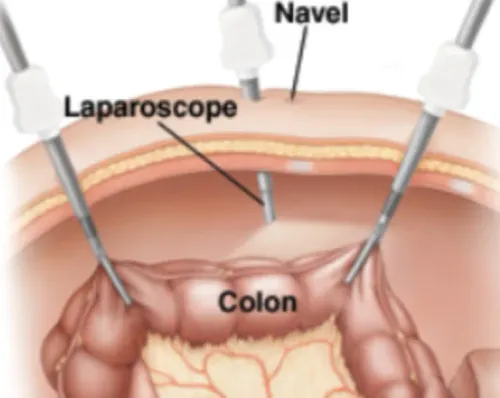
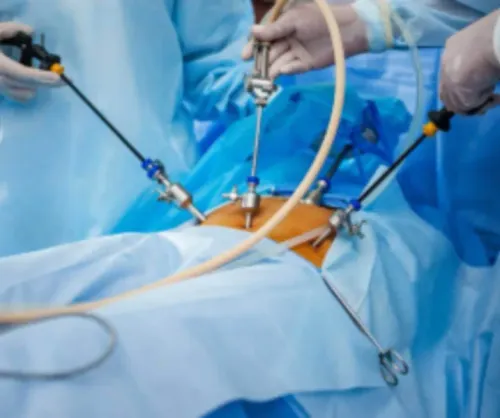
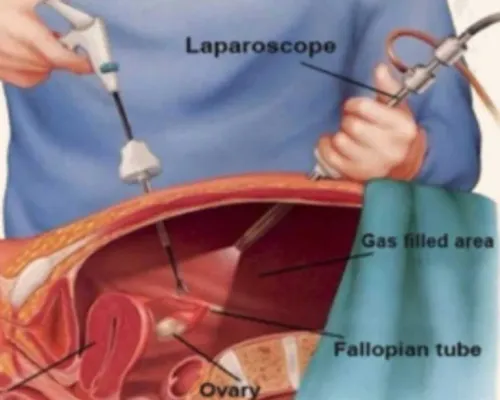
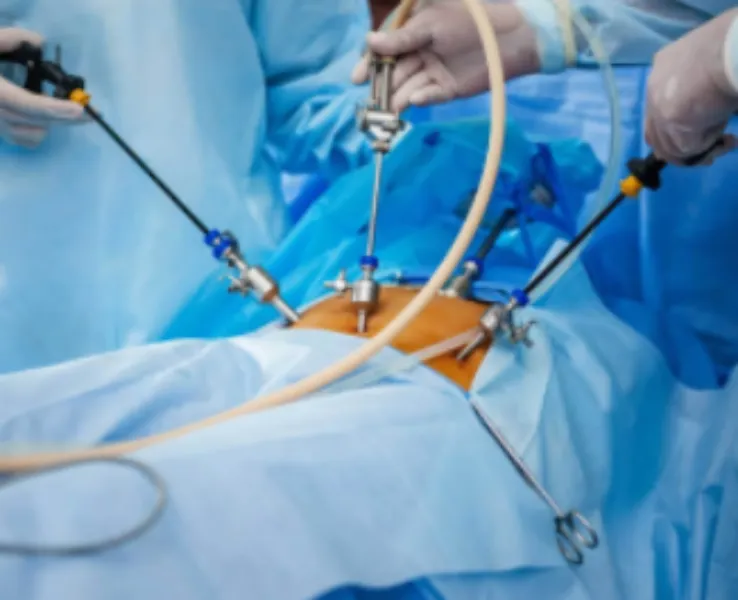
The procedure is performed through a few small incisions in the abdomen using specialized laparoscopic instruments.
The surgery generally involves:
- Creating small incisions for the camera and surgical instruments.
- Examining the ovaries and surrounding pelvic organs.
- Carefully separating the cyst from healthy ovarian tissue whenever possible.
- Removing the cyst through one of the small incisions.
- Closing the tiny surgical openings after ensuring there is no active bleeding.
The exact surgical approach depends on the size, location, and characteristics of the cyst.
Benefits of a Minimally Invasive Technique
For many suitable patients, laparoscopic surgery offers practical advantages compared with traditional open surgery.
Potential benefits include:
- Smaller incisions
- Reduced postoperative discomfort
- Less visible scarring
- Lower risk of wound-related complications
- Earlier mobility
- Shorter hospital stay in many cases
- Faster return to everyday activities
Every patient's recovery is unique, and the surgeon will explain what to expect based on the individual procedure.
Recovery After Surgery
Most patients begin walking within a short period after surgery, which helps improve circulation and supports recovery.
During the healing phase, doctors generally recommend:
- Getting adequate rest
- Walking several times a day
- Drinking enough water
- Eating balanced, nutritious meals
- Avoiding heavy lifting until medically cleared
- Taking prescribed medications as directed
- Attending follow-up appointments
Mild abdominal discomfort or fatigue usually improves gradually over the following days.
When Should You Contact Your Doctor?
Although most patients recover without difficulty, certain symptoms require immediate medical attention.
Seek medical advice if you experience:
- Persistent fever
- Increasing abdominal pain
- Heavy vaginal bleeding
- Persistent nausea or vomiting
- Redness or discharge from the incision
- Difficulty passing urine
- Severe abdominal swelling
Prompt evaluation allows potential complications to be managed at an early stage.
Supporting Long-Term Reproductive Health
Regular gynecological check-ups remain important even after successful treatment. Monitoring reproductive health allows doctors to identify new concerns early and recommend timely management if needed.
Maintaining a healthy lifestyle may also contribute to overall pelvic health by:
- Following a balanced diet
- Exercising regularly
- Managing body weight
- Attending routine medical examinations
- Reporting persistent pelvic pain promptly
- Following the treatment plan recommended by your healthcare provider
Receiving Personalized Surgical Care
Every ovarian cyst is different, which is why treatment should always be guided by detailed clinical assessment rather than symptoms alone. Choosing an experienced laparoscopic surgeon helps ensure that surgical decisions are based on accurate diagnosis, careful planning, and the patient's long-term well-being.
Patients from Thane and nearby parts of Mumbai often seek minimally invasive surgical care that emphasizes precision and faster recovery. Dr. Suradkar Laparoscopy Centre offers comprehensive evaluation for ovarian cysts and other laparoscopic surgical conditions, providing individualized treatment recommendations based on each patient's medical needs. Patients can also visit the centre's official website to learn more about available procedures and prepare for an informed discussion during their consultation.
Keywords