Living with piles can be physically uncomfortable and emotionally stressful. Many people hesitate to seek medical advice because of embarrassment or the hope that symptoms will disappear on their own. Unfortunately, delaying treatment can allow the condition to worsen, making everyday activities such as sitting, walking, or passing stools increasingly painful.
Modern Piles Treatment has advanced significantly over the years. Depending on the severity of the condition, treatment may range from lifestyle modifications to minimally invasive procedures that promote quicker recovery and improved comfort. Understanding the available options can help patients make informed decisions before symptoms become more severe.
What Are Piles?
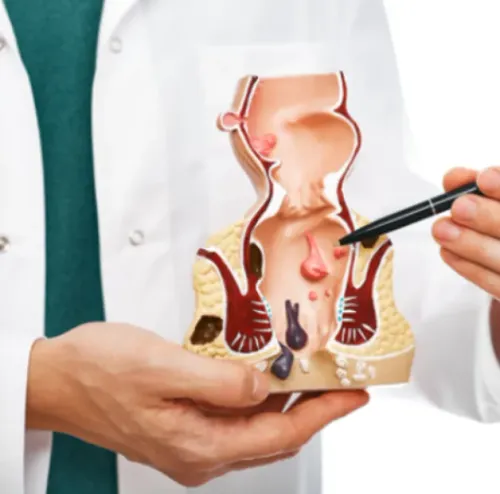
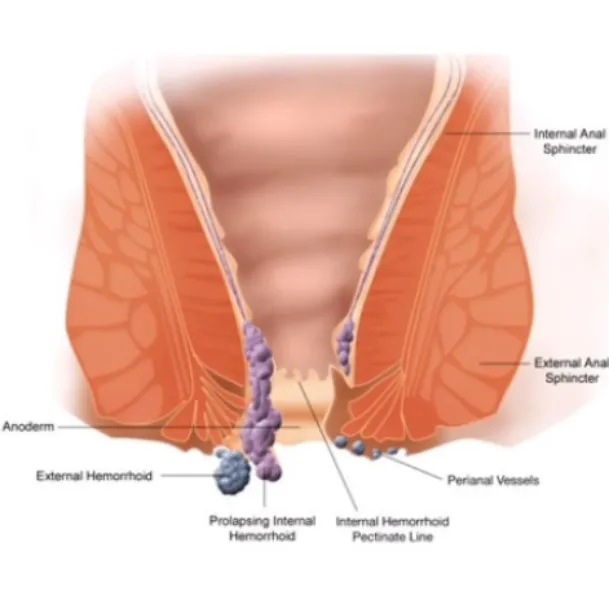
Piles, also known as hemorrhoids, are swollen veins located inside the rectum or around the anus. They develop when excessive pressure affects the veins in this area, causing them to enlarge.
Several factors can increase the risk, including:
- Chronic constipation
- Frequent straining during bowel movements
- Sitting on the toilet for prolonged periods
- Low-fiber diet
- Pregnancy
- Obesity
- Heavy lifting
- Increasing age
Piles can occur internally or externally, and the symptoms vary depending on their location.
Common Symptoms You Should Not Ignore
Early symptoms are often mild, which is why many individuals postpone visiting a surgeon. Recognizing the warning signs early can prevent complications.
Common symptoms include:
- Bright red bleeding during bowel movements
- Pain while passing stools
- Itching around the anal region
- Swelling near the anus
- A small lump that may be felt after bowel movements
- Mucus discharge
- Difficulty sitting comfortably
While these symptoms frequently indicate piles, they may also occur with other colorectal conditions. A proper medical examination is essential for an accurate diagnosis.
Understanding the Different Stages of Piles
Doctors usually classify piles into different grades based on their severity.
Grade I
The swollen veins remain inside the rectum and usually cause occasional bleeding without protrusion.
Grade II
The hemorrhoids may protrude during bowel movements but return inside naturally.
Grade III
The swollen tissue comes outside and requires manual repositioning.
Grade IV
The hemorrhoids remain outside permanently and often require surgical treatment.
Identifying the stage helps determine the most suitable treatment plan.
Non-Surgical Management for Early Cases
Many patients with mild piles improve through conservative treatment combined with healthy lifestyle changes.
Doctors commonly recommend:
- Increasing dietary fiber intake
- Drinking sufficient water throughout the day
- Avoiding prolonged sitting
- Regular physical activity
- Stool softeners when necessary
- Warm sitz baths
- Medications to reduce pain and inflammation
Although these measures relieve symptoms, they may not permanently eliminate larger hemorrhoids.
When Is Surgery Recommended?
Surgical treatment becomes an option when conservative methods fail or when piles significantly affect quality of life.
Your surgeon may recommend intervention if you experience:
- Recurrent bleeding
- Persistent pain
- Large prolapsing piles
- Frequent swelling
- Difficulty maintaining hygiene
- Repeated episodes despite medication
- Complications such as thrombosed hemorrhoids
Modern surgical techniques are designed to treat the condition effectively while reducing postoperative discomfort.
Advantages of Modern Piles Treatment
Today's surgical procedures are far less invasive than many patients expect. Depending on the individual case, advanced techniques may offer several benefits.
These advantages may include:
- Smaller surgical wounds
- Reduced postoperative pain
- Faster healing
- Lower risk of complications
- Minimal hospital stay for suitable patients
- Earlier return to work
- Improved long-term symptom control
The exact treatment approach depends on the severity of the disease, medical history, and overall health.
Recovery Tips After Treatment
Recovery is an important part of achieving long-term relief. Patients who follow medical advice carefully often experience smoother healing.
Helpful recovery practices include:
- Eating fiber-rich foods daily
- Drinking plenty of fluids
- Walking regularly to improve bowel function
- Avoiding heavy lifting for a short period
- Taking prescribed medications on schedule
- Preventing constipation with healthy eating habits
- Attending follow-up appointments
These measures not only support healing but also reduce the likelihood of recurrence.
Preventing Future Problems
Even after successful treatment, maintaining healthy bowel habits remains essential.
Simple preventive steps include:
- Never delaying bowel movements
- Limiting time spent on the toilet
- Including fruits, vegetables, and whole grains in daily meals
- Exercising consistently
- Maintaining a healthy body weight
- Managing chronic constipation promptly
Small lifestyle improvements can make a significant difference in long-term colorectal health.
Seeking Expert Evaluation
Many people in Thane continue living with piles for years because they assume surgery is the only solution. In reality, treatment is tailored to each patient's condition, and early evaluation often opens the door to simpler, less invasive options.
Dr. Suradkar Laparoscopy Centre provides comprehensive assessment for piles and other colorectal conditions, helping patients understand the most appropriate treatment based on clinical findings rather than assumptions. Patients who wish to learn more about available surgical services, recovery expectations, and minimally invasive procedures can also explore the centre's official website before consulting with an experienced general and laparoscopic surgeon.
Keywords