A hysterectomy may be considered when certain uterine conditions significantly affect health or quality of life and appropriate evaluation indicates that removal of the uterus is necessary. For some patients, a minimally invasive approach may be possible.
Laparoscopic hysterectomy uses small abdominal incisions and specialized instruments rather than relying solely on a large abdominal incision. Patients in Thane, Maharashtra considering this procedure should understand why it may be recommended, how preparation works, and what recovery can involve.
Why Might a Hysterectomy Be Recommended?
The reason for recommending surgery differs from one patient to another.
A hysterectomy may be discussed for selected uterine conditions when symptoms are significant or when other appropriate management has not provided adequate relief. The decision should follow proper evaluation rather than being based on symptoms alone.
The surgeon needs to consider the diagnosis, severity of symptoms, previous treatment, reproductive considerations, medical history, imaging findings, and general health.
How Is the Laparoscopic Procedure Performed?
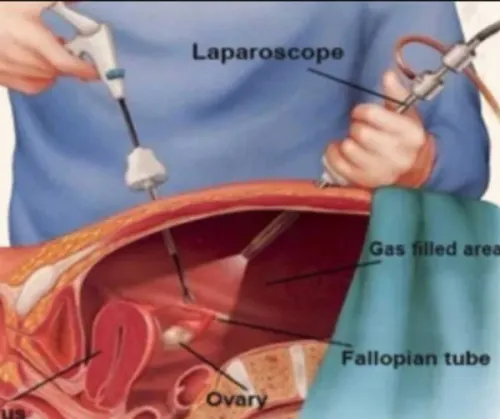
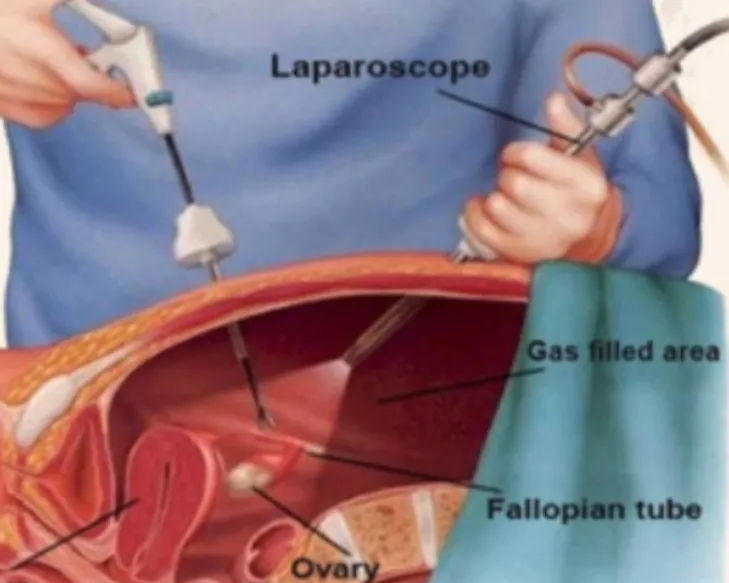
During laparoscopic surgery, a camera is introduced through a small incision to provide a detailed view of the operative area.
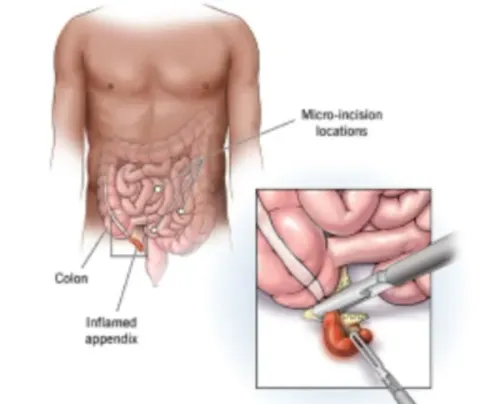
Additional small incisions allow surgical instruments to be used. The specific technique depends on the patient's anatomy, diagnosis, previous surgery, and planned extent of the procedure.
Patients should understand that the word laparoscopic describes the operative approach. It does not mean every patient's operation is identical.
What Should Patients Discuss Before Surgery?
Preoperative discussions are important because hysterectomy is a significant treatment decision.
Useful subjects to discuss include
- The confirmed diagnosis
- Why surgery has been recommended
- Alternatives that may be clinically appropriate
- The planned surgical approach
- Anaesthesia
- Expected hospital stay
- Recovery restrictions
- Possible complications
- Follow-up requirements
Patients should also provide a complete medication history and disclose previous abdominal or pelvic operations.
Preparing for the Procedure
Preparation varies according to individual health and hospital protocols.
Patients may require blood investigations, imaging review, anaesthesia assessment, medication adjustments, or additional evaluation for existing medical conditions.
Instructions about eating and drinking before surgery should be followed exactly. Medicines should not be stopped simply because a patient assumes they may interfere with surgery. Medication changes should be made according to professional advice.
What Can Recovery Involve?
Minimally invasive surgery can reduce incision size, but internal healing still takes time.
Early recovery commonly focuses on controlled movement, wound care, pain management, hydration, nutrition, and prevention of postoperative complications.
Patients may also receive temporary restrictions concerning
- Heavy lifting
- Strenuous exercise
- Driving
- Work duties
- Sexual activity
- Certain household activities
The appropriate duration of restrictions should be determined by the treating surgeon.
Symptoms That Should Not Be Ignored
Postoperative instructions should explain which symptoms require medical review.
Unexpected worsening pain, significant bleeding, persistent fever, wound problems, repeated vomiting, breathing difficulty, or a noticeable decline in general health should not simply be assumed to be part of normal recovery.
The appropriate response depends on the severity of symptoms and the patient's individual surgical situation.
Is the Laparoscopic Approach Always Possible?
No surgical technique is appropriate for every patient.
Previous operations, extensive disease, anatomy, medical conditions, operative findings, or other factors can influence whether minimally invasive surgery is advisable. In some situations, the surgical approach may need to be modified to protect patient safety.
Understanding this possibility before surgery helps patients maintain realistic expectations.
Considering Laparoscopic Hysterectomy in Thane
Patients seeking laparoscopic hysterectomy in Thane should choose care based on thorough evaluation and clear communication rather than focusing only on smaller incisions.
At Dr. Suradkar Laparoscopy Centre, patients can undergo surgical assessment to determine whether a laparoscopic approach is clinically appropriate for their condition.
A well-informed decision includes understanding the reason for surgery, expected benefits, limitations, potential risks, recovery requirements, and follow-up. For patients in Thane and nearby areas of Maharashtra, these discussions can provide greater clarity before proceeding with treatment.
Keywords