Being advised to consider colon surgery can lead to questions about the operation, hospital stay, recovery, and the difference between surgical approaches. The most suitable technique depends on the underlying diagnosis and the patient's overall clinical situation.
For selected conditions, laparoscopic colon surgery allows surgeons to perform abdominal procedures using small incisions and camera-guided instruments. Patients in Thane, Maharashtra should evaluate more than incision size when discussing this type of surgery.
Start With the Exact Diagnosis
Colon surgery is a broad term rather than a single operation.
Before comparing surgical techniques, patients need to understand which part of the colon is affected, why surgery has been recommended, and what the planned procedure aims to accomplish.
The treating team may use examination findings, imaging, laboratory investigations, endoscopic findings, biopsy results where relevant, and previous medical records to plan treatment.
How Does Laparoscopic Colon Surgery Work?
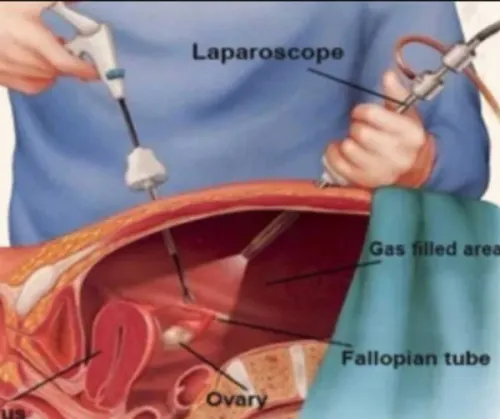
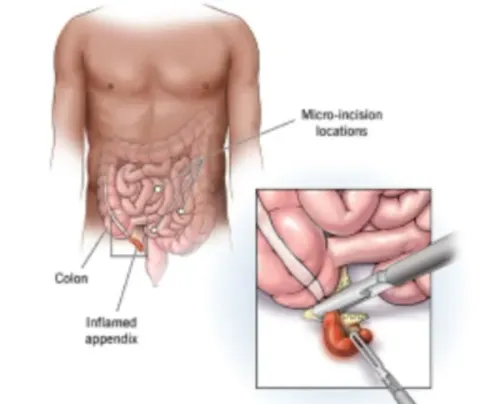
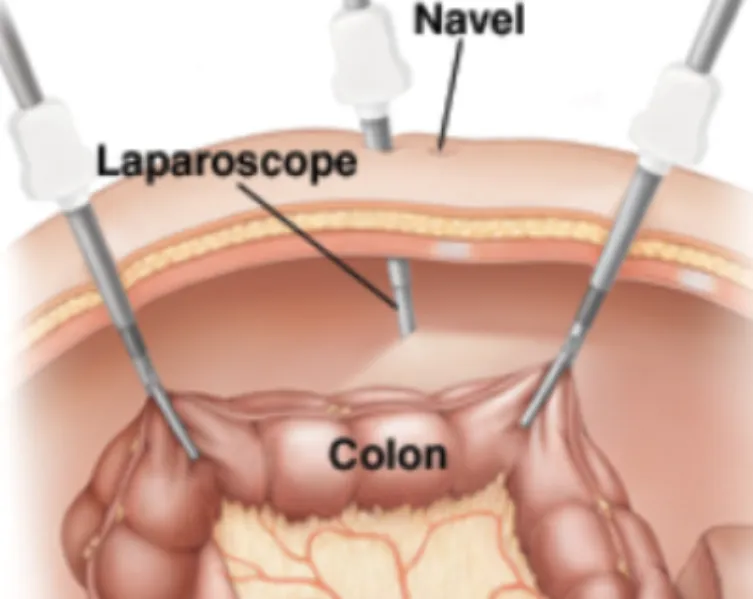
During a laparoscopic procedure, a camera provides a magnified view of the abdominal cavity. Specialized instruments introduced through additional small incisions allow the surgeon to perform the planned operation.
The extent of surgery depends on the underlying condition. This is why two people who both describe their treatment as laparoscopic colon surgery can have substantially different operations and recovery pathways.
Factor 1 Suitability for Minimally Invasive Surgery
Not every patient should automatically undergo a laparoscopic procedure.
Suitability can depend on
- The location of the condition
- Extent of disease
- Previous abdominal operations
- General medical fitness
- Surgical complexity
- Imaging findings
- Anaesthesia considerations
The surgeon should explain why a laparoscopic approach is being recommended in the individual case.
Factor 2 Surgical Planning
Patients should understand what the surgeon expects to do before entering the hospital.
Ask what portion of the colon is involved, what the planned operative steps are, and whether any findings could change the approach during surgery.
Surgery occasionally needs to be modified according to actual operative findings. This possibility should form part of informed consent rather than becoming an unexpected discussion afterward.
Factor 3 Recovery Expectations
Smaller incisions do not eliminate the need for internal healing.
Recovery can include gradual mobilisation, dietary progression, pain management, wound monitoring, and observation of bowel function. The time required to resume normal activities varies considerably.
Patients should ask specifically about work because an office-based role may have different recovery requirements from physically demanding employment.
Factor 4 Postoperative Monitoring
Knowing what happens after discharge is as important as understanding the operation.
Patients should receive clear instructions about diet, medication, activity, wound care, follow-up, and warning symptoms.
Unexpected severe abdominal pain, persistent fever, repeated vomiting, wound deterioration, significant bleeding, or other concerning changes require appropriate medical assessment.
Factor 5 Communication With the Surgical Team
Technical ability matters, but communication also contributes significantly to the treatment experience.
Patients should feel able to ask
- Why is surgery necessary?
- Why is laparoscopy appropriate for me?
- What are the relevant risks?
- How should I prepare?
- What happens immediately after surgery?
- How will my recovery be monitored?
Clear answers help patients set realistic expectations.
Local Considerations for Thane Patients
For patients living in Thane or elsewhere in Maharashtra, practical planning may include arranging transportation, having support available during early recovery, organising leave from work, and ensuring that follow-up appointments are manageable.
These considerations can be particularly important after abdominal surgery.
Choosing Care Based on Clinical Suitability
At Dr. Suradkar Laparoscopy Centre in Thane, evaluation for laparoscopic colon surgery can focus on diagnosis, surgical suitability, individual health considerations, and postoperative planning.
Patients should avoid choosing an operation solely because it is described as minimally invasive. The more useful approach is to understand why a specific operation has been recommended, what alternatives are clinically relevant, and what recovery is realistically likely to involve.
A careful evaluation provides the foundation for an informed surgical decision.
Keywords