
Gallbladder problems can interfere with eating, sleep, work, and everyday comfort, particularly when pain keeps returning. When gallstones or another gallbladder condition requires surgical management, laparoscopic cholecystectomy may be recommended after appropriate clinical evaluation.
For patients in Thane, Maharashtra, understanding what this procedure involves can make surgical discussions clearer and help them prepare for treatment with realistic expectations.
What Is Laparoscopic Cholecystectomy?
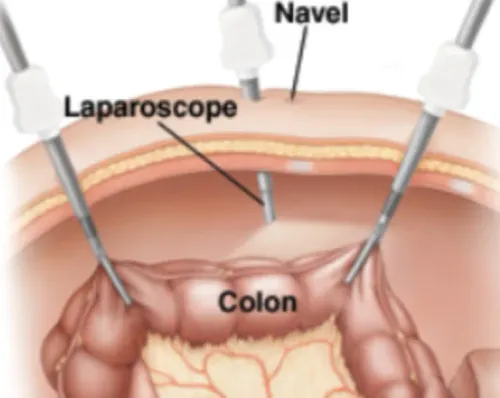
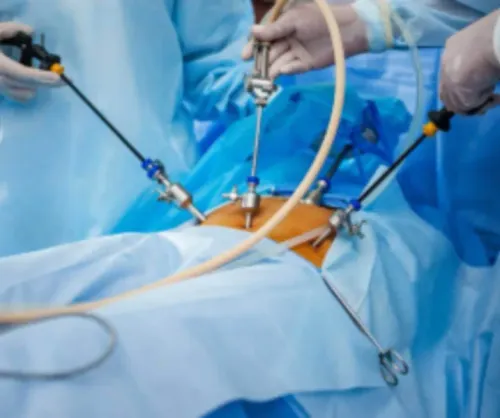
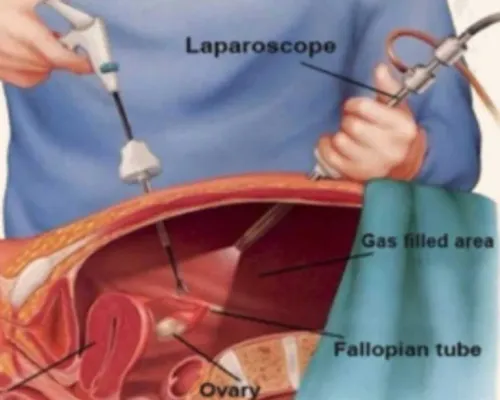
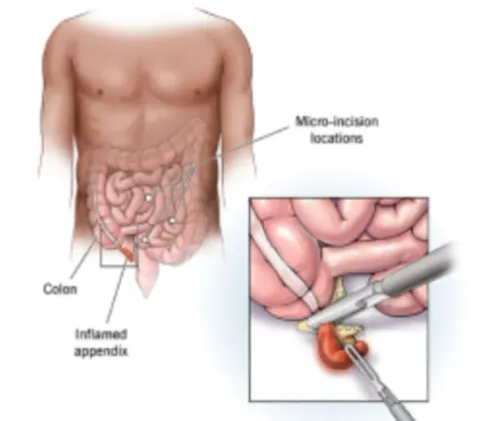
Laparoscopic cholecystectomy is a minimally invasive procedure used to remove the gallbladder. Instead of making one large abdominal incision, the surgeon generally operates through several small incisions.
A laparoscope, which is a thin instrument fitted with a camera, provides a magnified view of the surgical area. Specialized instruments are then used to carefully separate and remove the gallbladder.
The exact surgical approach depends on the patient's condition, medical history, examination findings, imaging results, and findings during surgery.
Why Can Gallbladder Removal Become Necessary?
Gallstones do not always cause symptoms. Some people discover them incidentally during an ultrasound performed for another reason. Treatment decisions become more important when gallstones or gallbladder disease causes recurring symptoms or complications.
Medical evaluation may be required for symptoms such as
- Repeated upper abdominal pain
- Pain after eating, particularly after heavy meals
- Nausea or vomiting
- Abdominal tenderness
- Fever associated with abdominal symptoms
- Symptoms suggesting gallbladder inflammation
Severe or persistent abdominal pain should not be self-diagnosed because several medical conditions can produce similar symptoms.
What Happens Before Surgery?
Before laparoscopic cholecystectomy, the surgeon needs to understand both the gallbladder condition and the patient's overall health.
Evaluation may include a medical history, physical examination, blood investigations, abdominal imaging, medication review, and anaesthesia assessment. Patients should inform the surgical team about prescription medicines, over-the-counter medicines, supplements, allergies, previous operations, and existing medical conditions.
These details help the treating team plan surgery appropriately.
Benefits of the Laparoscopic Approach
Where clinically suitable, minimally invasive gallbladder surgery can offer practical benefits compared with a larger surgical incision.
Potential advantages may include
- Smaller surgical incisions
- Reduced wound-related discomfort
- Earlier mobilisation
- Shorter hospital recovery in suitable cases
- Smaller scars
- Faster return to routine activities for many patients
These advantages should not be interpreted as guarantees. Recovery varies according to the complexity of the condition, individual health, surgical findings, and postoperative progress.
What Is Recovery Like?
Patients are usually encouraged to begin gentle movement according to medical advice. Instructions may cover wound care, bathing, diet, physical activity, pain medicines, and the appropriate time to resume work.
Some temporary digestive changes or abdominal discomfort can occur during recovery. The surgeon can explain which symptoms are expected and which require assessment.
Patients should seek medical attention for concerning symptoms such as increasing abdominal pain, persistent vomiting, high fever, wound problems, or other unexpected deterioration.
Can Every Gallbladder Operation Be Completed Laparoscopically?
Not necessarily.
A surgeon may determine that a different operative approach is safer because of severe inflammation, difficult anatomy, previous surgery, unexpected findings, or another clinical factor. Patient safety takes priority over completing an operation through a particular technique.
This possibility is normally discussed as part of informed consent.
Making an Informed Treatment Decision in Thane
Patients considering laparoscopic cholecystectomy in Thane should understand their diagnosis before focusing on the procedure itself. Useful questions include why surgery has been advised, what investigations are required, what anaesthesia involves, how long recovery may take, and what warning symptoms should be monitored afterward.
At Dr. Suradkar Laparoscopy Centre, surgical evaluation can help determine whether laparoscopic gallbladder removal is appropriate based on the individual's clinical findings.
A clear diagnosis, appropriate surgical planning, and structured postoperative care are central to safe gallbladder treatment. Understanding each stage helps patients in Thane and surrounding areas of Maharashtra approach the procedure with better preparation and realistic expectations.
Keywords