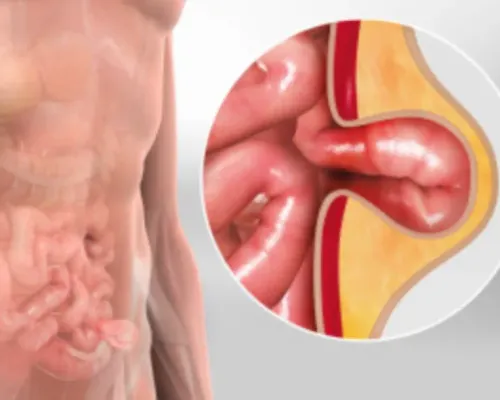
Appendicitis can progress quickly, which is why persistent or worsening abdominal pain should receive timely medical attention. When evaluation confirms that removal of the appendix is required, laparoscopic appendectomy is one surgical approach that may be considered.
For patients and families in Thane, Maharashtra, knowing how the procedure works can make an unexpected surgical situation easier to understand.
What Is Laparoscopic Appendectomy?
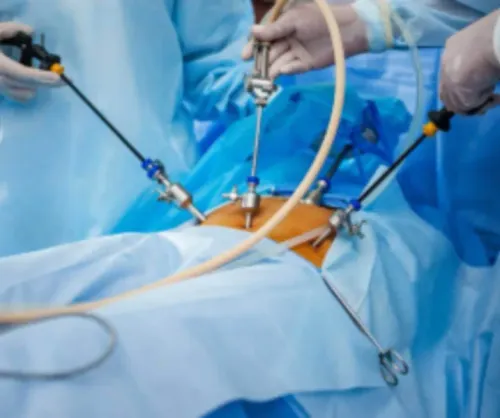
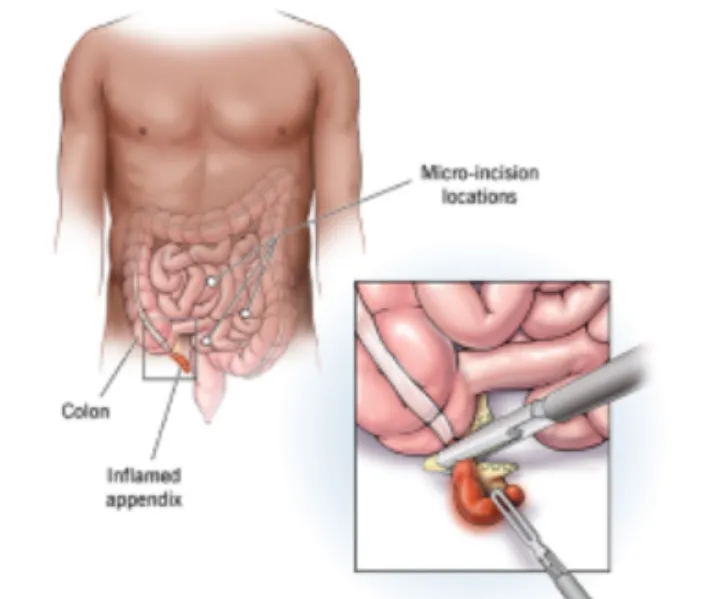
Laparoscopic appendectomy is a minimally invasive operation used to remove the appendix. The procedure is generally performed under anaesthesia through small abdominal incisions.
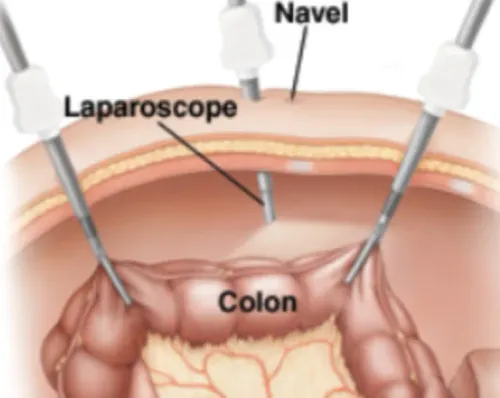
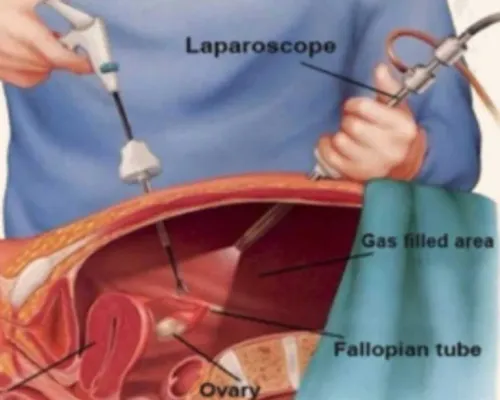
A laparoscope allows the surgeon to view the abdominal cavity on a monitor. Surgical instruments are introduced through other small openings so the appendix can be identified, separated, and removed.
The operative plan can vary according to the severity of the condition and what the surgeon finds during the procedure.
Recognising Symptoms That Need Assessment
Appendicitis does not always begin with exactly the same symptoms in every patient. Pain may initially feel vague before becoming more localised.
Symptoms that can occur include
- Abdominal pain that becomes progressively worse
- Pain that shifts toward the lower right abdomen
- Reduced appetite
- Nausea
- Vomiting
- Fever
- Abdominal tenderness
- Changes in bowel habits in some patients
These symptoms are not specific enough to diagnose appendicitis without medical evaluation.
How Is Appendicitis Evaluated?
A doctor typically considers the pattern of pain, duration of symptoms, physical findings, medical history, and relevant investigations.
Blood tests or imaging may be requested when clinically appropriate. The purpose is not only to identify possible appendicitis but also to consider other causes of abdominal pain.
Timely evaluation matters because inflammation can worsen. In some cases, the appendix may perforate, increasing the complexity of treatment.
Why Is a Laparoscopic Technique Used?
When appropriate, laparoscopic surgery allows the surgeon to inspect the abdominal area through a camera while operating through relatively small incisions.
Potential benefits for suitable patients can include
- Smaller incisions
- Reduced wound size
- Earlier mobilisation
- Less visible scarring
- A relatively quicker return to normal routine in uncomplicated cases
The actual recovery experience depends heavily on whether the condition was uncomplicated or whether perforation, infection, abscess formation, or other problems were present.
What Happens After Surgery?
Postoperative care is determined by the patient's clinical condition.
The treating team may provide instructions regarding eating, movement, wound care, medications, bathing, lifting restrictions, and follow-up. Patients should follow these instructions rather than relying on a general recovery timeline found online.
Someone treated for uncomplicated disease may have a different recovery pathway from a patient who presented with advanced infection.
Warning Signs During Recovery
Patients should know when postoperative symptoms need medical review. Depending on the individual situation, concerning changes can include persistent fever, increasing pain, repeated vomiting, worsening wound redness, discharge, abdominal swelling, or a general decline in health.
The surgeon should provide specific guidance because postoperative monitoring needs differ between patients.
Is Laparoscopic Surgery Suitable in Every Case?
The laparoscopic approach can be useful in many situations, but the final decision depends on clinical circumstances.
The surgeon considers factors such as disease severity, infection, previous operations, general health, anaesthesia considerations, and findings during the procedure. Occasionally, modifying the planned surgical approach may be necessary for safety.
This does not automatically mean that something has gone wrong. Surgical decisions sometimes need to adapt to actual operative findings.
Seeking Surgical Assessment in Thane
Abdominal pain that is severe, progressive, or associated with fever and vomiting should not be repeatedly managed at home without appropriate evaluation.
Dr. Suradkar Laparoscopy Centre provides surgical assessment in Thane for patients who may require laparoscopic appendectomy based on their diagnosis and clinical condition.
For patients across Thane and nearby areas of Maharashtra, the most important priority is timely diagnosis. Once the cause of symptoms has been established, the surgeon can explain whether an operation is required, which approach is appropriate, what recovery may involve, and what follow-up is necessary.
Keywords