Being advised to undergo a hysterectomy can feel overwhelming. Along with understanding the procedure itself, many patients wonder how to choose the right surgeon and healthcare facility. Experience, surgical expertise, and access to advanced minimally invasive techniques all influence the quality of care and recovery.
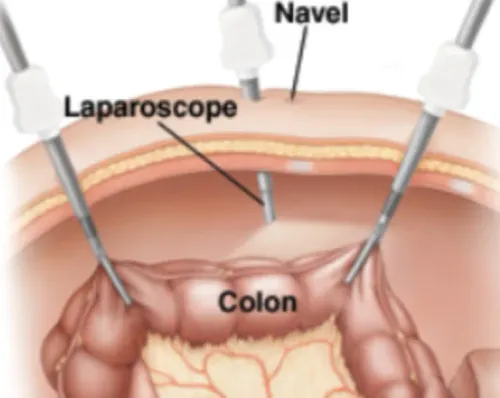
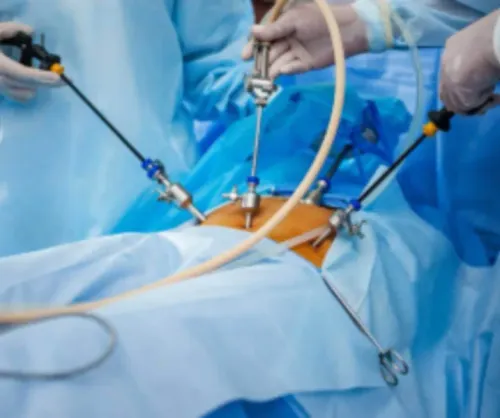
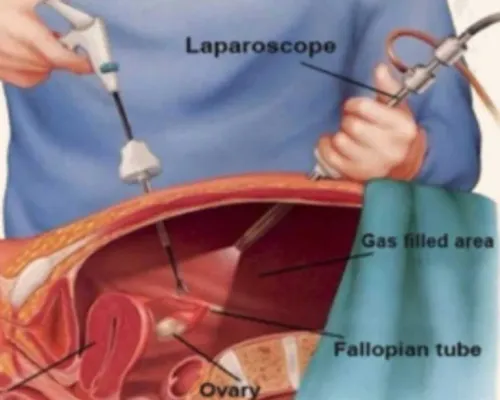
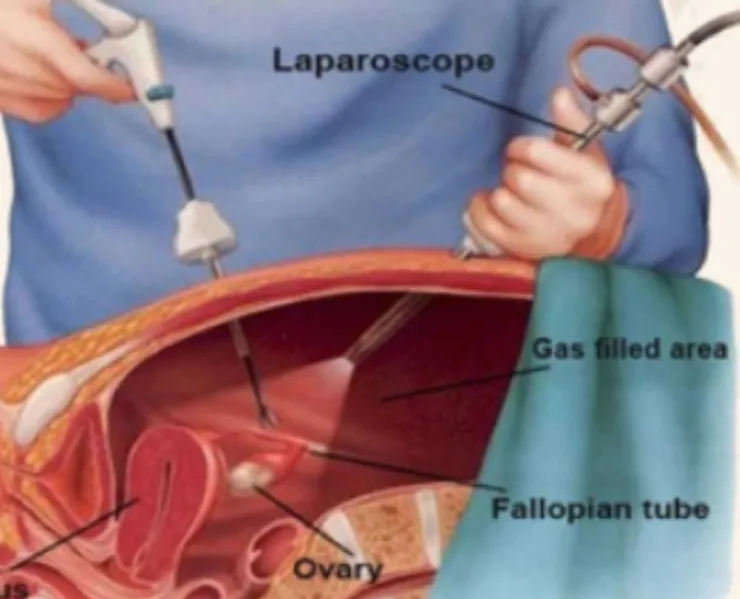
A Laparoscopic Hysterectomy is a minimally invasive procedure performed to remove the uterus through small abdominal incisions. Compared with traditional open surgery, it may offer faster recovery, less postoperative discomfort, and smaller scars for appropriately selected patients. Choosing an experienced surgeon is one of the most important decisions before the procedure.
When Is a Laparoscopic Hysterectomy Recommended?
A hysterectomy is recommended only after careful medical evaluation. Depending on the patient's condition, it may be considered for:
- Large symptomatic fibroids
- Persistent abnormal uterine bleeding
- Adenomyosis
- Endometriosis in selected cases
- Uterine prolapse in appropriate patients
- Certain precancerous or cancerous conditions
- Chronic pelvic pain when other treatments have not been successful
The decision is always based on individual symptoms, examination findings, and diagnostic investigations.
Why Surgeon Experience Matters
Minimally invasive surgery requires specialized training and technical expertise. An experienced laparoscopic surgeon is better equipped to handle variations in anatomy and unexpected findings during surgery.
While no procedure is entirely risk-free, experience contributes to:
- Careful surgical planning
- Precise tissue handling
- Better visualization during surgery
- Appropriate decision-making during complex cases
- Individualized postoperative care
Patients should feel comfortable discussing the surgeon's experience with similar procedures before making a decision.
Questions Worth Asking During Your Consultation
A consultation is an opportunity to understand the treatment plan and clarify concerns.
Consider asking questions such as:
- Why is laparoscopic surgery recommended in my case?
- Are there any alternatives to hysterectomy?
- What preparations are required before surgery?
- How long will the hospital stay be?
- What risks should I understand?
- When can I return to work?
- What restrictions should I follow during recovery?
Clear communication helps patients make informed decisions with confidence.
What to Look for in a Surgical Centre
The quality of care extends beyond the operating room. A well-equipped surgical centre should provide comprehensive care before, during, and after surgery.
Important factors include:
- Experienced surgical team
- Modern laparoscopic equipment
- Thorough preoperative evaluation
- Safe anesthesia services
- Postoperative monitoring
- Structured follow-up care
- Clear patient education
A centre that prioritizes patient communication often makes the entire treatment journey less stressful.
Understanding the Recovery Process
Recovery after a laparoscopic hysterectomy varies from one patient to another, depending on overall health and the reason for surgery.
Many patients experience:
- Smaller surgical wounds
- Reduced postoperative discomfort
- Gradual return to walking within a short period
- Progressive improvement in energy levels
- Earlier return to routine activities compared with open surgery in suitable cases
Patients should avoid heavy lifting and strenuous physical activity until their surgeon confirms that healing is progressing well.
Signs of Good Postoperative Care
Recovery does not end after discharge from the hospital. Ongoing support is equally important.
A good postoperative care plan usually includes:
- Scheduled follow-up visits
- Wound assessment
- Pain management guidance
- Activity recommendations
- Nutritional advice
- Instructions about warning signs that require immediate medical attention
Regular follow-up helps identify any concerns early and supports smoother healing.
Warning Signs That Need Medical Attention
Although complications are uncommon, patients should contact their healthcare provider if they notice:
- Persistent high fever
- Heavy vaginal bleeding
- Increasing abdominal pain
- Redness or discharge from the incision
- Persistent vomiting
- Difficulty passing urine
- Severe swelling or pain in the legs
Prompt medical evaluation helps ensure that any complication is managed quickly.
Making a Confident Treatment Decision
Choosing a surgeon should never be based solely on convenience or availability. Taking time to understand the surgeon's experience, the proposed treatment plan, and the expected recovery can provide greater confidence before surgery.
Patients from Thane, Mumbai, and nearby regions often seek minimally invasive surgical care that combines clinical expertise with personalized treatment planning. Dr. Suradkar Laparoscopy Centre provides comprehensive surgical evaluation for a wide range of laparoscopic procedures, helping patients understand whether minimally invasive surgery is the most appropriate option for their condition. The centre's official website also offers useful information about available surgical services, allowing patients to prepare for their consultation with greater clarity and confidence.
Keywords