A sharp, burning pain during bowel movements is often dismissed as temporary constipation or a minor digestive issue. However, when the discomfort continues for days or weeks, it may indicate an anal fissure. This common condition can make routine activities uncomfortable and may even cause people to avoid using the toilet because of the fear of pain.
Modern Fissure Treatment focuses on relieving pain, promoting healing, and preventing recurrence. Early diagnosis is important because recent fissures often respond well to conservative treatment, while chronic fissures may require a surgical approach for lasting relief.
What Is an Anal Fissure?
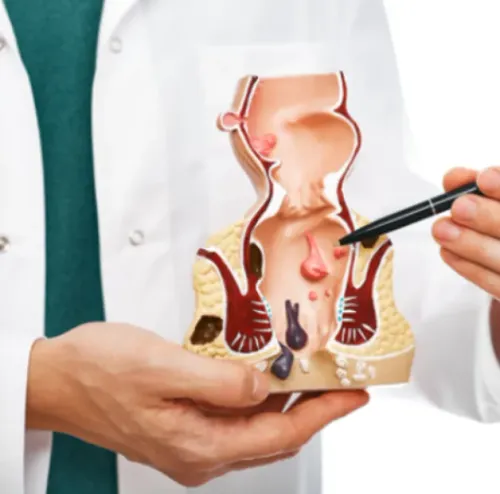
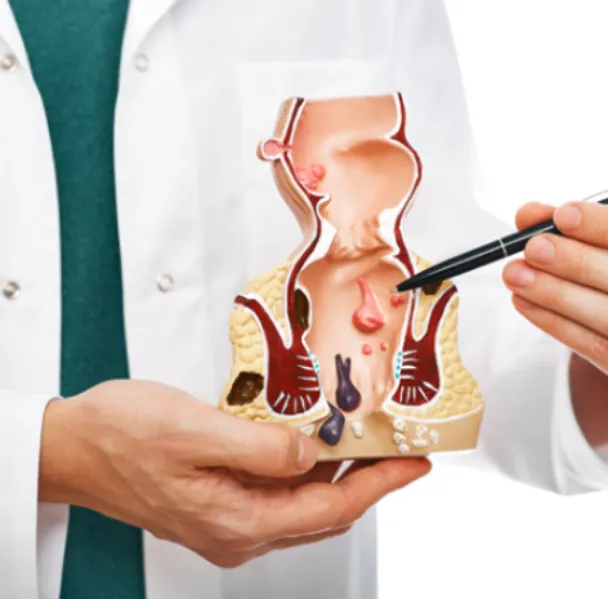
An anal fissure is a small tear in the lining of the anal canal. Although the injury may appear minor, the area contains numerous nerve endings, making even a small tear extremely painful.
Most fissures occur after passing hard stools or repeated straining during bowel movements. In some cases, persistent diarrhea, inflammatory bowel disease, or childbirth may also contribute to the condition.
Without appropriate treatment, the tear may repeatedly reopen, delaying the healing process.
Symptoms That Point to an Anal Fissure
Pain is the most noticeable symptom, but several other signs may also develop.
Common symptoms include:
- Sharp pain during bowel movements
- Burning sensation that continues afterward
- Bright red blood on toilet paper
- Visible crack near the anal opening
- Muscle spasms around the anus
- Itching or irritation
- Fear of passing stools because of recurring pain
These symptoms are different from piles in many cases, making medical evaluation important for accurate diagnosis.
Acute Fissure Compared With Chronic Fissure
Doctors generally classify anal fissures into two categories.
Acute Fissure
An acute fissure is a recent tear that usually heals within a few weeks when treated appropriately.
It often responds well to:
- Dietary improvements
- Increased fluid intake
- Stool softeners
- Warm sitz baths
- Prescribed medications
Chronic Fissure
A fissure that persists beyond several weeks may become chronic. Repeated injury prevents proper healing and can lead to scar tissue formation or a small skin tag.
Chronic fissures often require more advanced treatment when conservative measures no longer provide lasting relief.
Why Early Treatment Makes a Difference
Many patients continue using home remedies despite ongoing symptoms. Unfortunately, delaying treatment may allow the fissure to become chronic, making recovery longer and more complicated.
Early medical evaluation can help:
- Relieve pain sooner
- Prevent repeated tearing
- Reduce muscle spasms
- Lower the risk of infection
- Improve bowel comfort
- Minimize the need for more extensive treatment
Prompt care also helps rule out other colorectal conditions with similar symptoms.
Modern Treatment Approaches
Treatment is selected according to the severity and duration of the fissure.
Conservative Management
Patients with recent fissures are commonly advised to:
- Increase dietary fiber
- Drink adequate water
- Use stool-softening medication when needed
- Take prescribed topical medicines
- Avoid straining during bowel movements
- Maintain regular bowel habits
Many acute fissures heal successfully with these measures.
Surgical Management
If symptoms continue despite appropriate medical treatment, surgery may be considered.
Modern surgical procedures aim to:
- Reduce muscle spasm
- Improve blood flow to the affected area
- Allow the fissure to heal naturally
- Minimize discomfort during recovery
The choice of procedure depends on each patient's medical condition and clinical findings.
Recovery After Fissure Treatment
Recovery depends on the treatment performed and the patient's overall health. Good bowel habits remain one of the most important parts of healing.
Doctors frequently recommend:
- Eating fiber-rich meals every day
- Drinking enough fluids
- Walking regularly
- Avoiding constipation
- Following medication instructions carefully
- Maintaining proper hygiene
- Returning for follow-up evaluation
These habits also reduce the likelihood of future fissures.
Everyday Habits That Help Prevent Recurrence
Preventing constipation is one of the best ways to protect long-term colorectal health.
Simple lifestyle changes include:
- Consuming fresh fruits and vegetables daily
- Choosing whole-grain foods
- Exercising consistently
- Responding promptly to the urge for bowel movements
- Avoiding prolonged sitting on the toilet
- Managing digestive disorders under medical supervision
Small improvements in daily routine can significantly reduce strain on the anal canal.
Seeking the Right Surgical Evaluation
Persistent anal pain should never be ignored or self-diagnosed. Several colorectal conditions can produce similar symptoms, making professional assessment essential before beginning treatment. An experienced general and colorectal surgeon can identify the exact cause and recommend the most suitable management plan.
Patients in Thane frequently seek minimally invasive solutions that prioritize effective treatment with a smoother recovery experience. Dr. Suradkar Laparoscopy Centre evaluates fissures, piles, fistulas, and other colorectal conditions through a personalized approach based on each patient's needs. Those wishing to understand available treatment options in greater detail can also refer to the centre's official website before scheduling a consultation with a qualified laparoscopic surgeon.
Keywords