A hernia often begins as a small bulge that may not cause significant discomfort. Because the symptoms can remain mild for months or even years, many people postpone medical evaluation, assuming the condition is harmless. However, a hernia does not heal on its own, and delaying treatment may increase the risk of complications that require emergency surgery.
Laparoscopic Hernia Repair has become a widely used treatment option for many types of hernias because it combines minimally invasive techniques with effective repair. Knowing when surgery is recommended can help patients avoid unnecessary discomfort and make well-informed healthcare decisions.
What Is a Hernia?
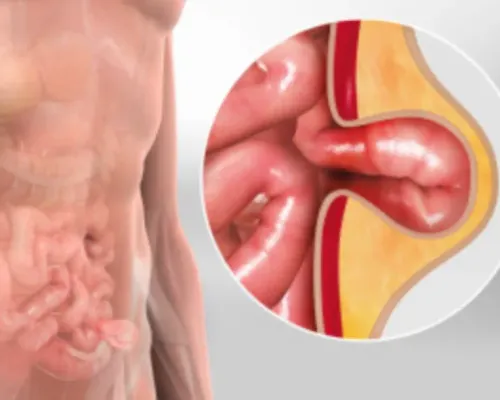
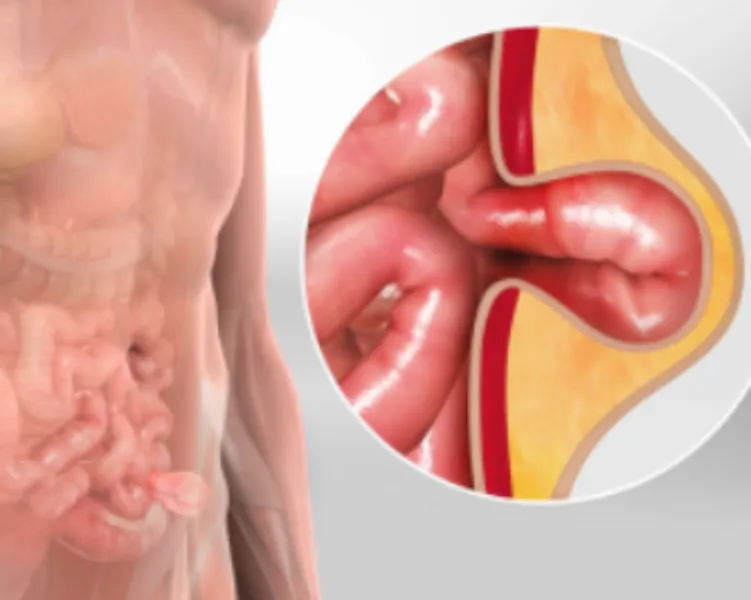
A hernia develops when an internal organ or fatty tissue pushes through a weakened area in the surrounding muscle or connective tissue. The most common types include:
- Inguinal hernia
- Femoral hernia
- Umbilical hernia
- Incisional hernia
- Epigastric hernia
Some hernias remain small for years, while others gradually enlarge and become increasingly uncomfortable.
Although wearing supportive garments may temporarily reduce symptoms, they do not repair the underlying weakness.
Signs That Should Prompt Medical Evaluation
Many patients first notice a soft swelling that becomes more obvious while standing, coughing, or lifting heavy objects.
Other symptoms may include:
- A visible lump in the abdomen or groin
- Heaviness in the affected area
- Mild aching after physical activity
- Burning or pulling sensation
- Discomfort while bending
- Pain during prolonged standing
- Swelling that becomes more noticeable by the end of the day
Some hernias can be gently pushed back inside, while others become fixed over time.
Why Waiting May Not Be the Best Choice
Because hernias usually develop gradually, many people believe they can simply monitor the condition. While observation may be appropriate in selected situations, untreated hernias generally do not disappear naturally.
Delaying treatment may increase the possibility of:
- Enlargement of the hernia
- Persistent pain
- Reduced physical activity
- Difficulty performing routine tasks
- Intestinal obstruction
- Strangulated hernia requiring emergency surgery
Seeking surgical advice before complications occur often allows for planned treatment under more favorable circumstances.
When Is Laparoscopic Hernia Repair Recommended?
The decision depends on the patient's symptoms, lifestyle, medical history, and the type of hernia present.
Your surgeon may recommend laparoscopic repair when:
- The hernia causes regular discomfort
- The swelling continues to increase in size
- Daily activities become difficult
- The hernia repeatedly protrudes
- Previous conservative measures no longer provide relief
- There is concern about future complications
Each treatment plan is individualized after careful clinical evaluation.
How the Procedure Is Performed
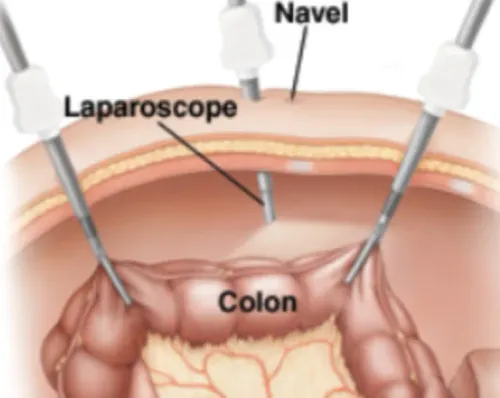
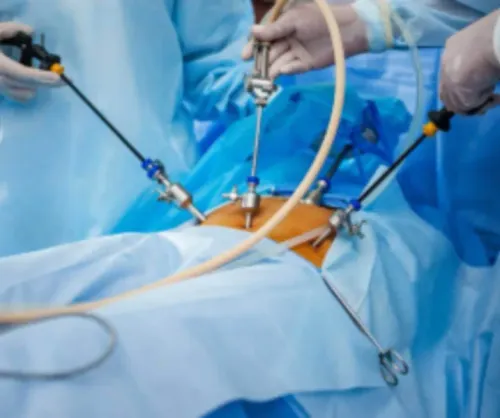
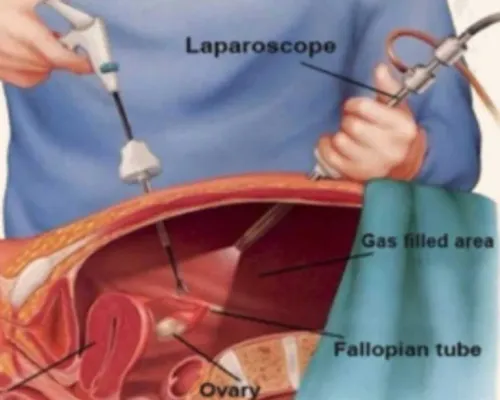
Laparoscopic Hernia Repair is completed through several small incisions rather than one large surgical opening.
During surgery:
- A tiny camera provides a magnified view inside the abdomen.
- Specialized instruments are inserted through small ports.
- The protruding tissue is carefully returned to its normal position.
- The weakened abdominal wall is reinforced, often using a surgical mesh when appropriate.
- Small incisions are closed after completing the repair.
The minimally invasive approach reduces tissue disruption while allowing the surgeon to perform a precise repair.
Benefits of Minimally Invasive Hernia Surgery
For many suitable patients, laparoscopic repair offers several practical advantages.
Potential benefits include:
- Smaller incisions
- Reduced postoperative discomfort
- Lower risk of wound-related complications
- Less visible scarring
- Earlier return to normal activities
- Shorter hospital stay in many cases
- Faster overall recovery
The exact benefits depend on the type of hernia and each patient's overall health.
Recovery After Surgery
Recovery progresses steadily when patients follow their surgeon's advice carefully.
Typical recommendations include:
- Walking regularly to improve circulation
- Avoiding heavy lifting for several weeks
- Eating a balanced diet to prevent constipation
- Keeping surgical wounds clean
- Taking medications as prescribed
- Gradually increasing physical activity
- Attending scheduled follow-up appointments
Returning to strenuous exercise too early may place unnecessary stress on the healing abdominal wall.
Supporting Long-Term Recovery
Although surgery repairs the existing hernia, maintaining healthy habits helps protect the abdominal muscles in the future.
Helpful lifestyle measures include:
- Maintaining a healthy weight
- Treating chronic cough promptly
- Preventing constipation
- Using proper lifting techniques
- Strengthening core muscles after medical clearance
- Avoiding unnecessary abdominal strain
These measures support overall abdominal health while reducing pressure on repaired tissues.
Selecting Experienced Surgical Care
Successful hernia treatment depends on accurate diagnosis, careful surgical planning, and appropriate postoperative guidance. Consulting an experienced general and laparoscopic surgeon allows patients to receive treatment recommendations that match the severity of their condition and individual health needs.
People from Thane and surrounding areas frequently choose minimally invasive surgery because it supports quicker recovery without compromising surgical effectiveness. Dr. Suradkar Laparoscopy Centre provides comprehensive evaluation for different types of hernias and recommends the most appropriate treatment based on clinical findings. Patients interested in learning more about laparoscopic procedures and recovery expectations can also explore the centre's official website before arranging a consultation.
Keywords