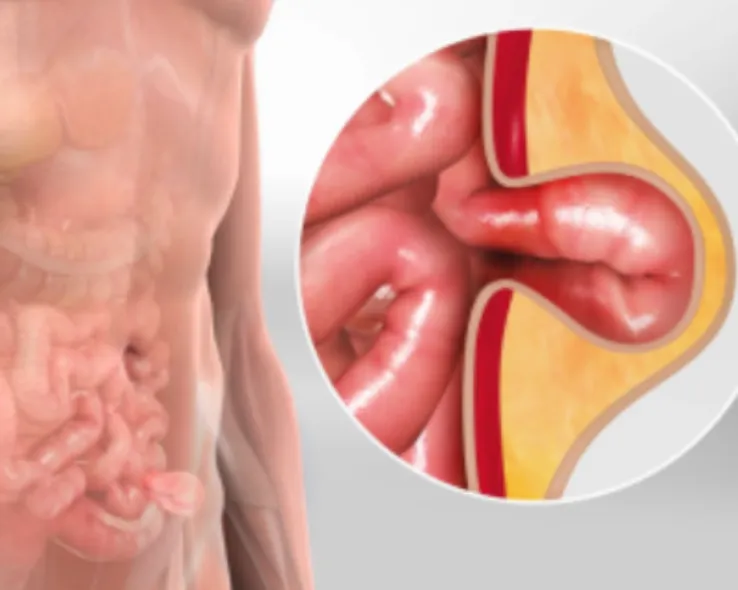
A hernia occurs when tissue pushes through a weak area in the surrounding muscle or abdominal wall. Some hernias remain relatively stable for a period, while others gradually enlarge or become increasingly uncomfortable.
When surgical correction is clinically indicated, laparoscopic hernia repair may be considered for suitable patients. Understanding the procedure helps people in Thane, Maharashtra discuss treatment choices more confidently.
What Happens in Laparoscopic Hernia Repair?
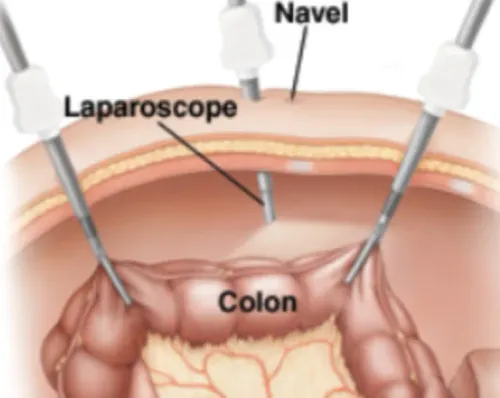
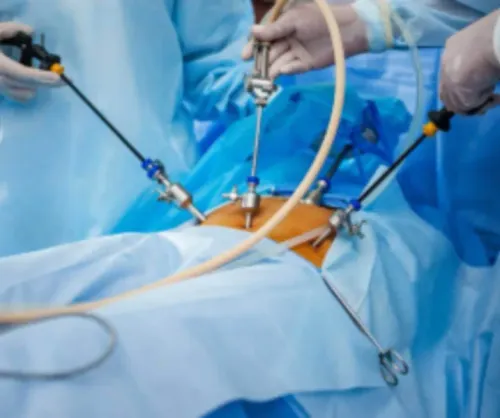
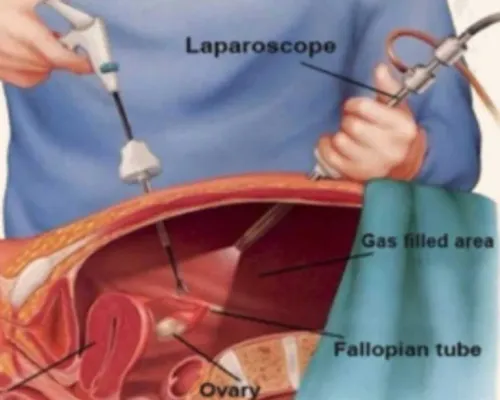
Laparoscopic hernia repair is performed through small incisions using a camera and specialized surgical instruments.
The surgeon identifies the hernia defect from inside the abdominal area, addresses the protruding tissue, and reinforces the weakened region according to the type of hernia and chosen surgical technique.
Anaesthesia is generally required. The exact steps differ because hernias vary in location, size, complexity, previous treatment history, and surrounding anatomy.
What Can a Hernia Feel Like?
A visible or noticeable swelling is one of the most recognised signs, but symptoms can vary.
A person may notice
- A bulge that becomes more obvious while standing
- Swelling during coughing or straining
- Discomfort during physical activity
- A pulling or dragging sensation
- Local pressure
- Increasing difficulty with certain movements
Some hernias cause little discomfort. Lack of severe pain, however, does not determine whether treatment is necessary.
Why Does a Hernia Need Surgical Evaluation?
Hernias generally do not repair the underlying muscular defect by themselves. The decision about when surgery is appropriate depends on symptoms, examination findings, hernia characteristics, overall health, occupation, activity level, and risk of complications.
A surgical consultation helps answer an important question does the hernia require planned repair now, monitoring, or another management strategy?
Possible Advantages of Laparoscopic Repair
For appropriately selected patients, a laparoscopic technique may provide several practical advantages.
These can include
- Small incisions
- Reduced wound size
- Earlier movement after surgery
- Less visible surgical scarring
- Potentially faster return to routine activities
Individual outcomes vary. The presence of a recurrent hernia, previous abdominal operations, obesity, medical conditions, or a particularly complex defect can influence treatment planning and recovery.
Why Proper Assessment Matters
Choosing a surgical technique based only on incision size is not advisable.
Before recommending laparoscopic repair, the surgeon may evaluate the location of the defect, its size, whether it is reducible, the patient's symptoms, previous operations, medications, and general medical fitness.
Additional investigations may be requested when needed.
Recovery Requires More Than Wound Healing
Patients often want to know how quickly they can return to work, driving, exercise, or lifting.
There is no single timeline suitable for everyone. Recovery depends on the operation performed, the patient's occupation, postoperative progress, and the physical demands of normal activities.
Following lifting restrictions is particularly important because the repaired area needs time to heal.
Patients should also understand wound-care instructions and recognise symptoms that require medical attention.
When Does a Hernia Become Urgent?
A hernia should receive prompt medical assessment if it suddenly becomes very painful, cannot be pushed back when it previously could, becomes associated with vomiting, or is accompanied by significant abdominal symptoms.
These changes can indicate a complication requiring urgent evaluation.
Patients should not attempt forceful self-treatment of a painful or suddenly changed hernia.
Understanding Your Options in Thane
For patients considering laparoscopic hernia repair in Thane, the first step is determining the precise nature of the hernia rather than assuming every abdominal swelling needs the same operation.
At Dr. Suradkar Laparoscopy Centre, assessment can focus on the characteristics of the hernia, the patient's symptoms, medical fitness, and the suitability of minimally invasive surgery.
People seeking surgical care in Thane and surrounding parts of Maharashtra can benefit from discussing expected recovery, activity restrictions, operative technique, anaesthesia, potential risks, and follow-up before making a treatment decision.
The most appropriate hernia repair is ultimately the one selected according to the patient's actual clinical requirements rather than a one-size-fits-all surgical approach.
Keywords